

Nepal, a country known for its majestic Himalayas and rich cultural diversity, has become an ideal destination for those seeking adventure and connection with nature. spirituality. However, beyond its stunning landscapes and historical heritage, Nepal also stands out for its inclusive approach to gender identities. Here we will explore trekking in Nepal and the relevance of the third gender, officially recognized in Nepali society.
Trekking in Nepal: Adventure in the Heights
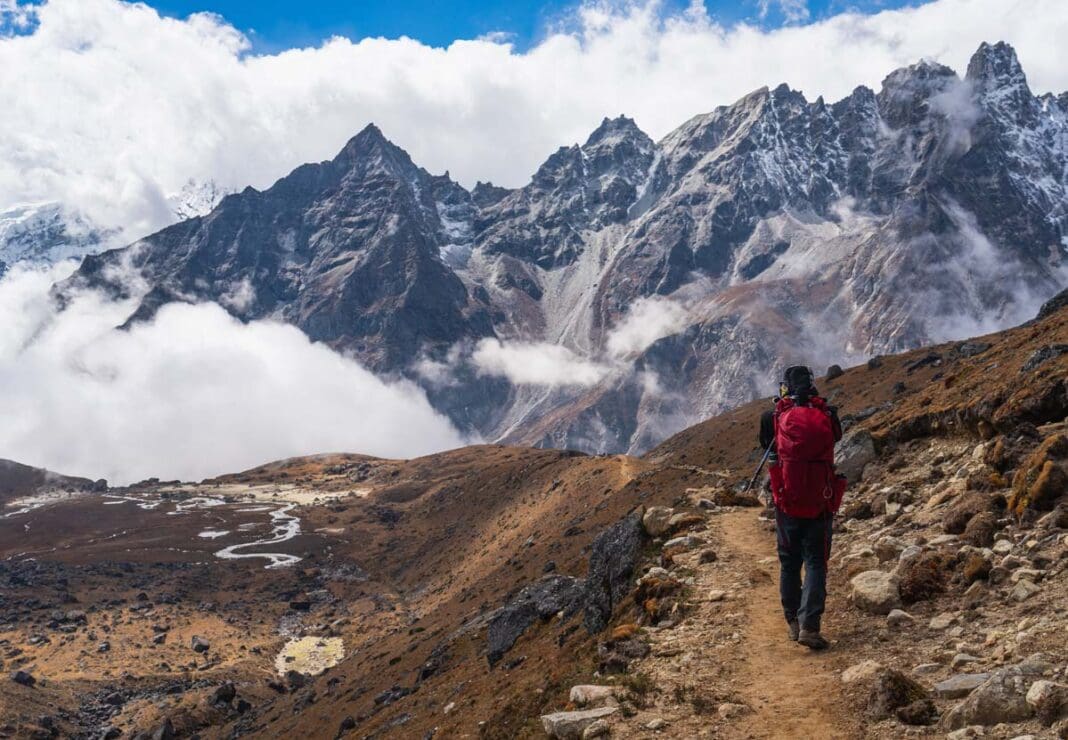
Nepal is home to some of the most famous trekking routes in the world, such as the Annapurna Circuit and the Everest Base Camp Trail. These routes attract thousands of adventurers each year, willing to face physical challenges and enjoy the country’s impressive natural beauty.
The Best Trekking Routes
- Annapurna Circuit: This 300-kilometer route offers spectacular views of snow-capped peaks and the opportunity to learn about various local cultures. The route is accessible throughout much of the year, although the best time to visit is during spring and fall.
- Everest Base Camp: This trekking, which takes hikers to the door of the highest mountain in the world, is a unique experience. However, the trail can be challenging due to the altitude and weather conditions.
- Trekking in Langtang region: Less crowded than other roads, Langtang offers a quieter experience. Trekkers can enjoy amazing landscapes and rich biodiversity.
Nepali Culture: Traditions and Diversity
Gender Identity in Nepal
One of the most notable features of Nepali culture is its approach towards gender diversity. In 2007, Nepal became one of the first countries in the world to legally recognize third-gender people, allowing them to identify themselves as such on their documentation. This recognition has been a significant step towards inclusion and respect for diversity.
The LGTBIQ+ Community in Nepal
Despite progress, the LGTBIQ+ community in Nepal faces challenges. Conservative traditions and social norms can make it difficult to fully accept non-binary gender identities. However, local organizations work tirelessly to promote the rights and visibility of these communities, providing safe spaces and support.
A Cultural Meeting
Trekking in Nepal is not just about walking on trails, but about immersing yourself in the local culture. Trekkers have the opportunity to interact with diverse communities, learn about their customs and, in many cases, enjoy their hospitality.
Festivals and Celebrations
One of the best ways to understand Nepali culture is through its festivals. Festivals like Dashain and Tihar are times when communities come together to celebrate life and spirituality. In addition, the Holi festival, which celebrates the arrival of spring, is an explosion of colors and joy, where gender diversity is also manifested.
Reflections and Questions
As we explore trekking and culture in Nepal, important questions arise. How can greater inclusion be guaranteed for third gender people in a country that, although it has made progress, still faces cultural tensions? The fight for rights and acceptance is ongoing and although progress has been made, there is a long way to go.
A Persistent Challenge
However, it is important to note that, despite the legal recognition of the third gender, the daily reality of many LGTBIQ+ people in Nepal can be complex. Discrimination and lack of resources are just some of the obstacles they must face. How can trekkers and visitors contribute to changing this narrative? The answer may lie in respect, education and support for local initiatives.
Tips for Inclusive Trekking
1. Respect for Local Cultures
When visiting Nepal, it is crucial to be respectful of local traditions and customs. Educate yourself about cultural practices and participate consciously.
2. Support for Local Businesses
Opt for local guides and businesses that support and employ people from the LGTBIQ+ community. This not only boosts the local economy, but also helps build a more inclusive environment.
3. Cultural Sensitivity
Maintain an open attitude and willingness to learn. Listening and learning about the stories of the people you meet along the way will enrich your experience.
Nepal offers an extraordinary journey both physically and culturally. Through trekking, you can explore a country full of natural beauty and a rich human tapestry. However, it is imperative to address the reality of gender inclusion with sensitivity and respect. Doing so not only enriches your personal experience, but also contributes to positive change in the community.