


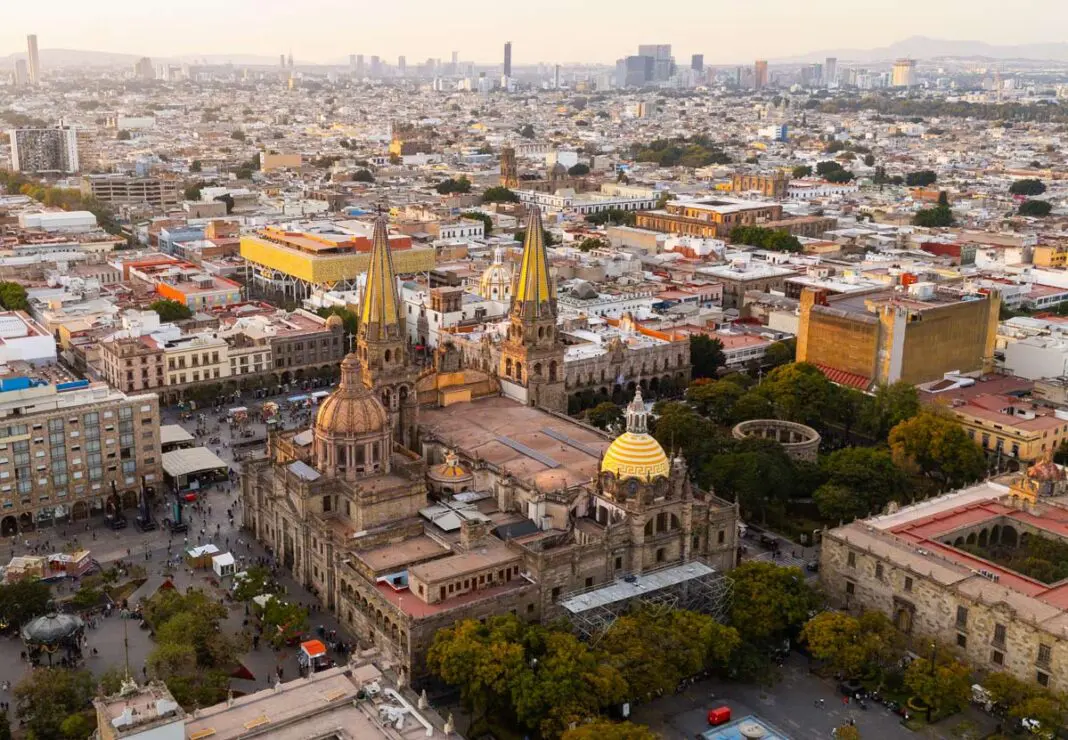

Guadalajara, the capital of the state of Jalisco, is known not only for its rich history and vibrant culture, but also for being an epicenter of the LGTBIQ+ community in Mexico. This city, which combines the majesty of its colonial architecture with a growing drag scene, offers a unique space where tradition and modernity coexist. We will explore how these two facets of Guadalajara intertwine, creating a dynamic and welcoming environment for diversity.
The Beauty of Colonial Architecture
Guadalajara’s architecture is a testament to its rich history. Emblematic buildings such as the Guadalajara Cathedral, the Degollado Theater and the Hospicio Cabañas, which is a World Heritage Site, stand out for their impressive design and cultural relevance. The mix of baroque, neoclassical and modernist styles can be seen in every corner of the city.
Walking through the historic center is like visiting an open-air museum, where each building tells a story. The cobblestone streets and wrought iron balconies not only tell us about the past; They are also the perfect backdrop for contemporary expressions of art and culture.

The Drag Scene: A Space of Freedom
In contrast to the solemnity of colonial architecture, Guadalajara’s drag scene flourishes with color and boldness. In bars and clubs like “La Plaza” or “Bar Américas”, drag artists perform before enthusiastic audiences, challenging norms and celebrating diversity. This art form is not just about entertainment; It is a declaration of identity and a form of resistance.
Drag shows in Guadalajara are a reflection of local culture. Artists often incorporate references to Mexican history, politics, and everyday life, creating a dialogue between the past and present. How are these actions related to the current social context? Can drag serve as a means of social change and acceptance?
Interaction between Drag and Architecture
The intersection between drag and the colonial architecture of Guadalajara is fascinating. The opulence of colonial spaces contrasts with the extravagance of drag shows. At special events, artists often choose iconic locations for their performances, which enriches the experience for both the performers and the audience.
For example, the “Guadalajara Drag Fest” event takes place in historic spaces, fusing history with modernity. These types of initiatives not only celebrate drag culture, but also promote tourism and appreciation of the city’s architecture. However, the question arises: Can tourism focused on drag culture alter the perception of historical spaces?
Challenges and Criticisms
Despite the growth of the drag community, significant challenges exist. Homophobia and discrimination remain problems in many areas of Mexico, including Guadalajara. Events such as drag shows can face resistance and criticism from more conservative sectors of society. Furthermore, the commercialization of drag could dilute its essence as a form of protest and cultural expression.
It is essential to question how the authenticity of drag can be maintained while appealing to a broader audience. How can fun and art be balanced with the need to address serious issues of acceptance and human rights? These are questions that the community and artists must consider as they navigate Guadalajara’s changing cultural landscape.
Guadalajara is a microcosm where colonial architecture and the drag scene coexist and enrich each other. The city is presented as a meeting place for history and modernity, where each drag show becomes a tribute to diversity and creativity.
As the LGTBIQ+ community continues to grow and find its voice, Guadalajara can serve as a model for other cities. The future of the drag scene in Guadalajara is promising, but also challenging. How the city chooses to address these challenges will be crucial to its cultural evolution.
In the end, what does the relationship between drag and architecture tell us about the identity of Guadalajara? We may never have all the answers, but the dialogue between these two facets will continue to live on, enriching the experience of those who visit it and those who inhabit it.