


- According to the 2026 Confidence Index, 85% of people are visible in their private lives, but only 23% dare to be visible in their workplace.
- The work environment climbs to the second place where the most hate crimes occur in Spain.
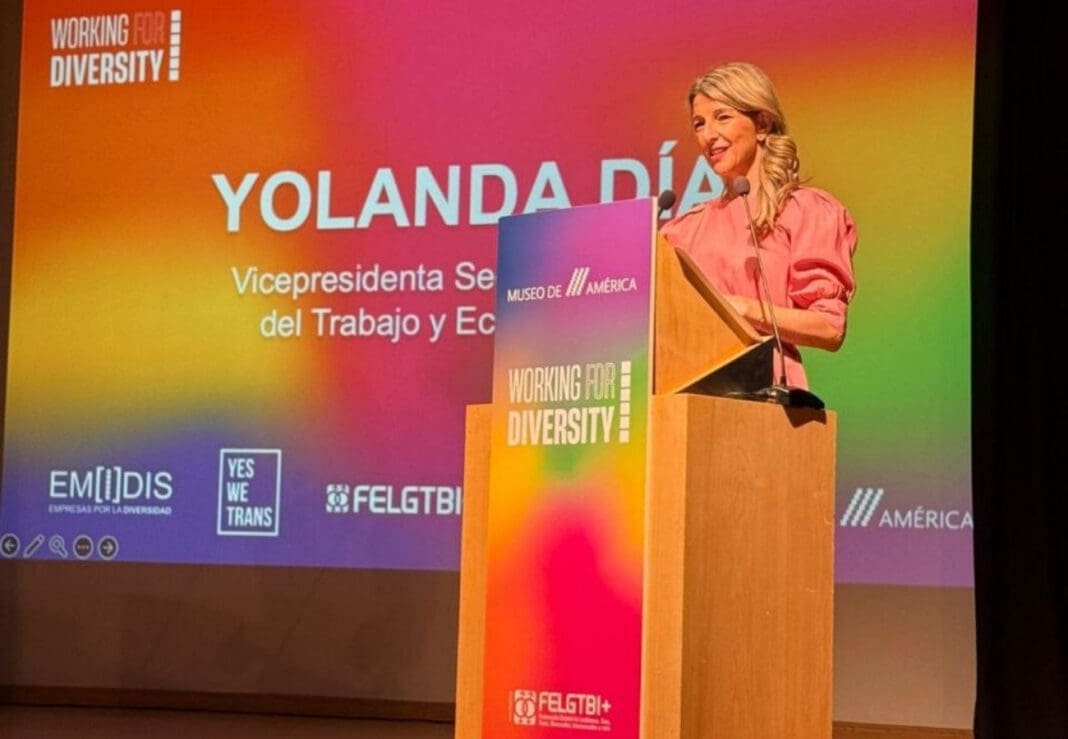
- Minister Yolanda Díaz warns: “We cannot allow anyone to re-enter the closet for fear of losing their job.”.
“It’s unacceptable.” With these words, the second vice president and Minister of Labor, Yolanda Díaz, has summarized the paradox that Spain is experiencing. While the country leads the European rankings of rights (Rainbow Map), the workplace has become a hostile territory. The data presented today by the LGTBI+ State Federation at the Working for Diversity conference are devastating: the visibility of the group decreases by 60% when entering the professional environment.
From personal freedom to work silence
The report, prepared together with the 40dB agency, reveals a painful gap between public and professional life. While almost 9 out of 10 LGTBI+ people live their identity naturally with friends or family, only 2 out of 10 (23%) communicate it in their company. The figure drops dramatically with bosses or clients, where only 10% dare to take the step.
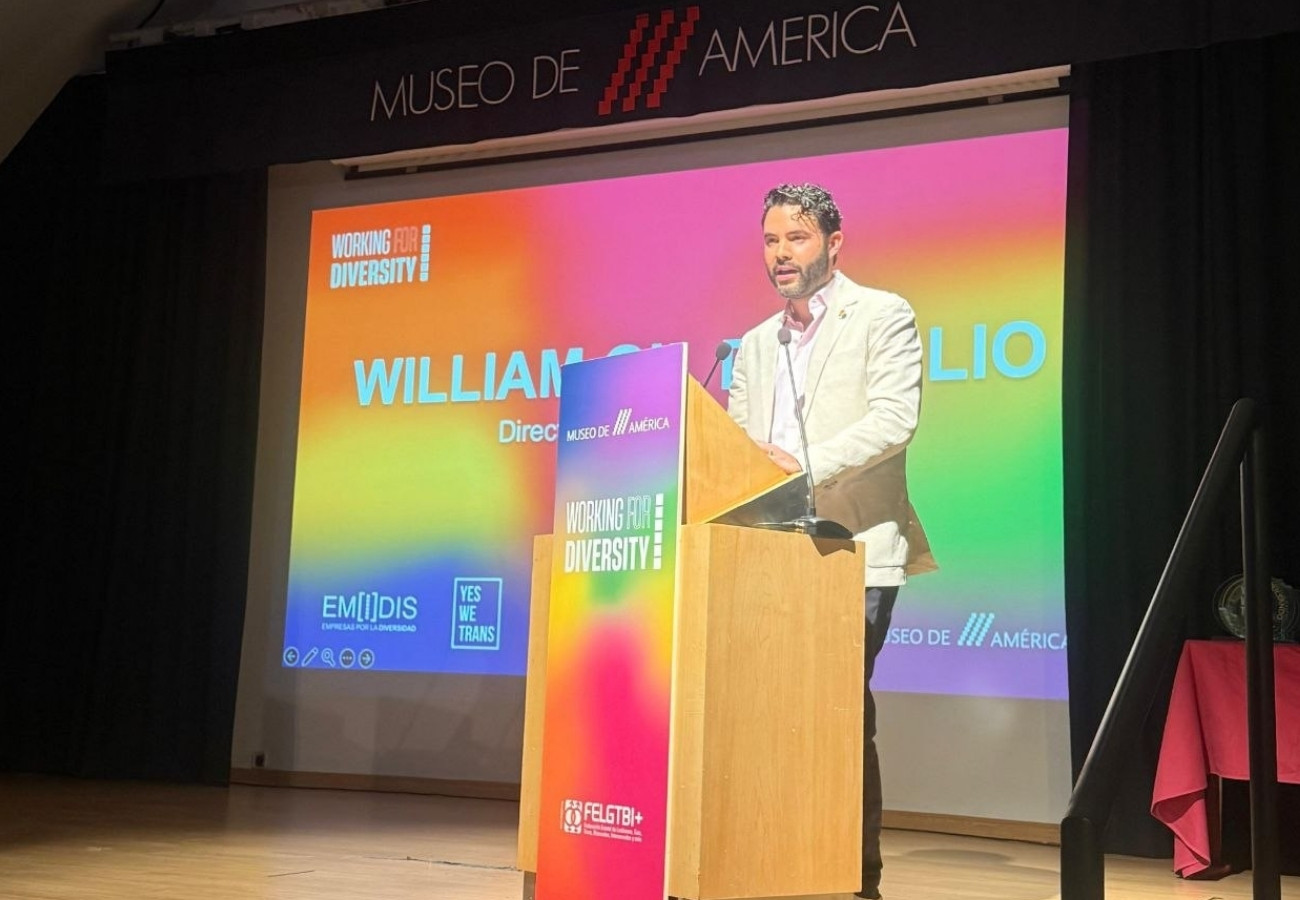
William Gil D’Avolio, executive director of the Federation, has been blunt: “Work centers have become closets where people are constantly forced to hide who they are.”. This pressure has a very high cost: 60% of the LGTBI+ population suffers stress or anxiety due to unequal treatment in their employment.
Hate as the engine of invisibility
Why this setback? The president of the Federation, Paula Iglesias, points directly to the increase in hate speech in the public sphere. This hostility legitimizes violence and harassment, causing workplaces to go from being the sixth most dangerous place in 2025 to second place in 2026.
Faced with this situation, Iglesias demands a State Pact against hate speech to stop the violence that “is heard even at our own work tables”.
The Royal Decree: The tool against fear
Despite the gloomy data, there is a ray of hope: 71% of LGTBI+ workers positively value Royal Decree 1026/2024, which requires the implementation of equality measures in companies. Furthermore, diversity is already profitable: employees rate their company’s commitment to inclusion an 8 out of 10.
Díaz has reminded companies that “the law does not apply itself” and has urged them to activate protocols that ensure that no one has to choose between their identity and their payroll. The message for the hundred companies gathered at the Museum of America has been clear: respect is non-negotiable and diversity, in addition to a human right, is the best asset to retain talent.