

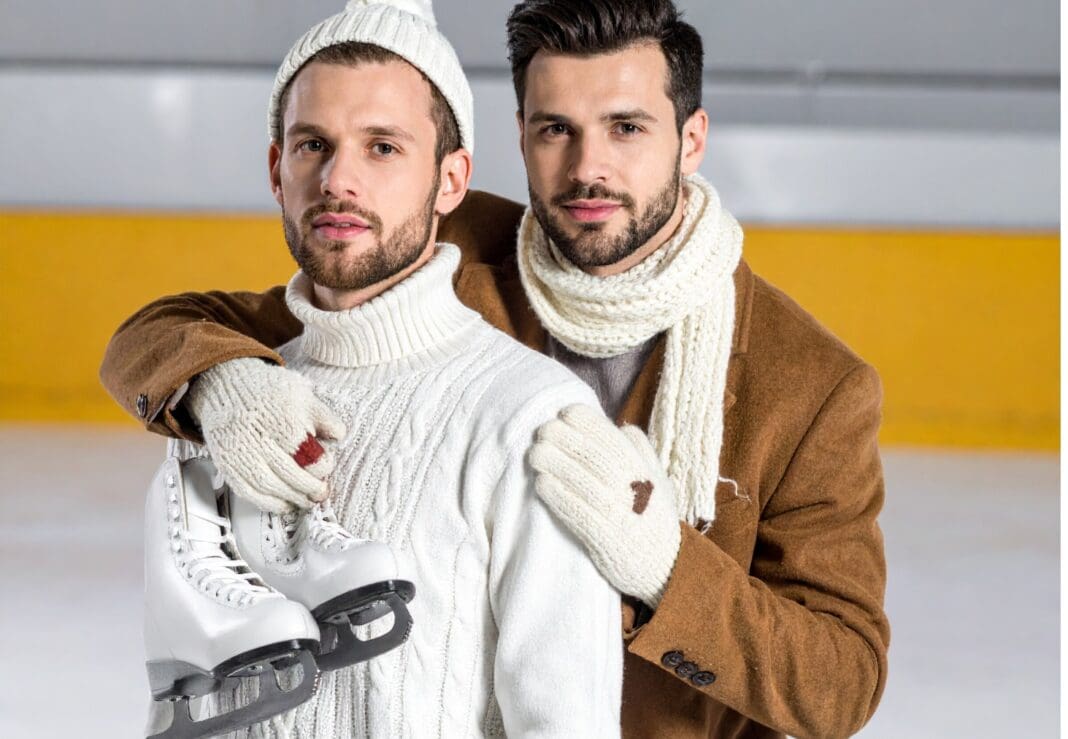
Hello, reader. News that fills us with optimism has come from the world of ice sports. The British Figure Skating Federation has made a historic decision, announcing that, starting next season, pairs made up of two skaters of the same sex will be able to compete in the dance modality. This measure, which will be applied to all its events, including the national championship, represents significant progress towards the inclusion of the LGTBIQ+ community on the ice rinks.
The Wave of Inclusion Waves Around the World
The United Kingdom, with this modification in its regulations for the 2026-27 season, joins a vanguard of nations that have already opened their doors to diversity in ice dance.
- Canadá: Fue pionera al implementar este cambio en 2022.
- Finland: Joined the initiative in the current season, marking a milestone with Emma Aalto and Millie Colling, the first ice dance team made up of two women.
This ripple effect highlights that sport, at its finest, is beginning to recognize and celebrate the variety of talents and connections beyond binary gender structures. It is a clear reflection of the social changes we are experiencing, where skill and artistic connection prevail over convention.
The Global Debate and the ISU Position
While national federations such as the British, Canadian and Finnish federations embrace modernity, the International Skating Federation (ISU) maintains its traditional regulations for now. Internationally, the rule continues to require that dance duos be made up of skaters of opposite sexes.
This brings us to an inevitable question: How long will it take for the world governing body to align itself with the equality that is already brewing in some of its member federations? Is it time to prioritize diversity and talent over a tradition that no longer reflects the reality of all athletes?
Voices in Favor: A Matter of Opportunities
One of the most notable proponents of this transformation is Scott Moir, three-time Canadian world champion in ice dancing. His position goes beyond equal rights; He argues that allowing same-sex couples could generate a positive and practical impact, especially for female skaters.
According to Moir, there is a shortage of male skaters on the circuit. By eliminating the mandatory mixed partnership, opportunities would expand so that more women can form competitive teams and continue developing their careers. This argument highlights that inclusion is not only an ethical issue, but also a way to enhance talent and competitiveness in the discipline.
The road to full equality in sport is long, but every step counts. Do you believe that this British measure will exert the necessary pressure for global change? What is undeniable is that, at the heart of this discipline, what really matters is the passion for skating and the chemistry on the rink, regardless of the gender of the participants.