
The European Parliament takes a position before the key meeting at the UN
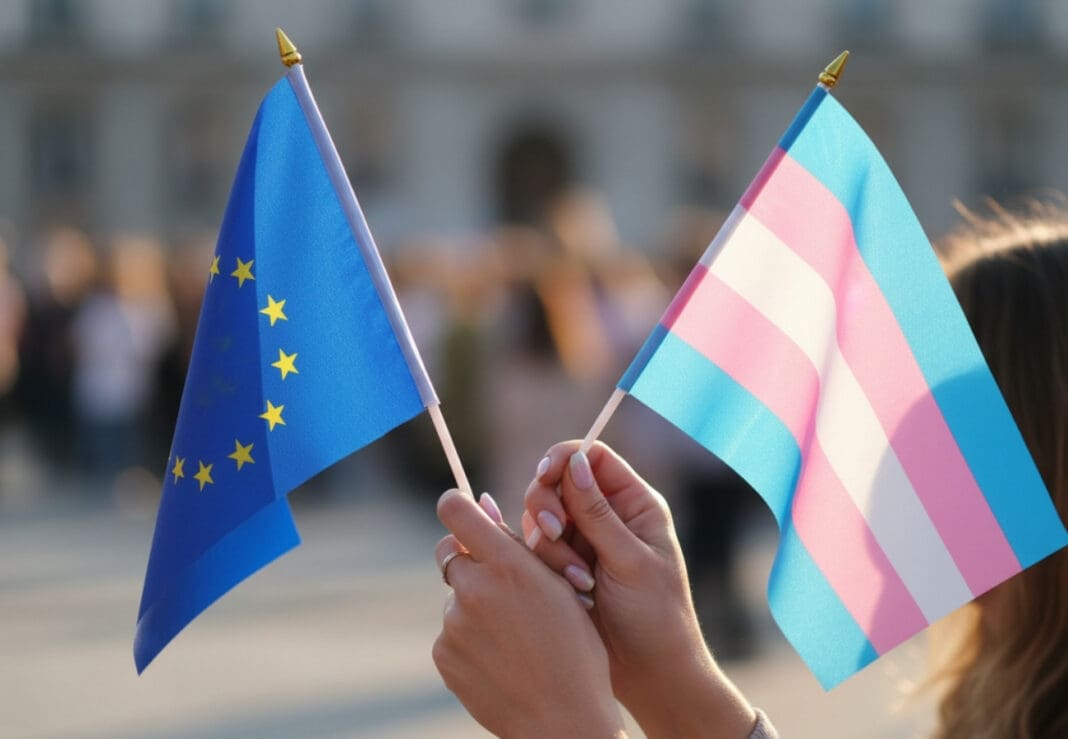
The European Parliament has voted in favor of the full recognition of trans women as women within the framework of the gender equality policies of the European Union. The result: 340 votes in favor, 141 against and 68 abstentions.
The resolution does not create an immediate law. But it does mark the position that the European Union will defend in the next session of the UN Commission on the Status of Women (CSW), the main international forum dedicated to gender equality since 1946.
And in the current political climate, symbolism matters.
What exactly does the approved text say
The resolution urges the Council of the EU to underline before the United Nations the need for full recognition of trans women as women within equality policies and against gender violence.
In addition, it calls for guaranteeing equal access to protection services, including shelters for victims of violence.
It’s not just about language. This is about real access to resources that can save lives.
The report in which this mention is integrated also addresses issues such as:
- Gender-based violence
- Access to justice for women and girls
- Structural discrimination
- Wage gap
- Reproductive health and rights
The priority topic of the UN session this year is precisely access to justice for women and girls around the world.
The question is inevitable: Can we talk about justice if a part of women is left out of institutional recognition?
A political debate that reflects European tension
The debate prior to the vote made the fracture lines clear. While a majority defended that gender equality should be inclusive and consistent with human rights, other groups warned about the legal definition of the term “woman” and its implications in differentiated spaces.
It is not a new discussion. But it is an increasingly visible discussion.
The recognition of trans women did not appear as an independent text, but within a broader resolution on equality. This forced the entire report to be voted on, which explains part of the polarization of the result.

Still, most were clear.
More than a resolution: a message in the face of global retreat
In a context in which trans rights are being questioned or restricted in various countries, the European Parliament vote sends a political signal within and outside the continent.
It is no coincidence that the positioning occurred before the meeting at the United Nations. The language agreed in that forum can influence national policies, protection frameworks and legislative debates around the world.
Are we facing an attempt to shield the progress made in Europe?
Or is it the beginning of a new diplomatic battle over the very concept of equality?
Reactions: between celebration and confrontation
Organizations that work for LGTBIQ+ equality have received the vote as consistent with previous positions of the European Parliament on non-discrimination.
On the opposite side, conservative groups have criticized the text and have announced that they will pressure in the next UN session to stop what they consider a redefinition of traditional legal categories.
The scenario is therefore not closed.
What’s next
The resolution will serve as a guide for the EU’s official position at the UN Commission in March. The conclusions adopted there will not be legally binding either, but they will set international trends.
History shows that institutional language matters. Words become policies. And the policies, in rights… or in their absence.
At Rainbow Magazine we are clear: equality is not complete if it leaves out part of the group.
The question now is whether Member States will translate this political support into effective protection for trans women across Europe.