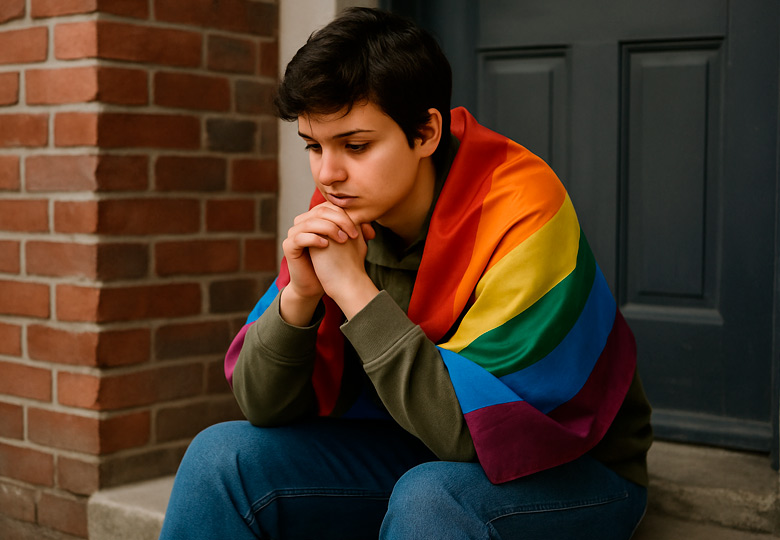

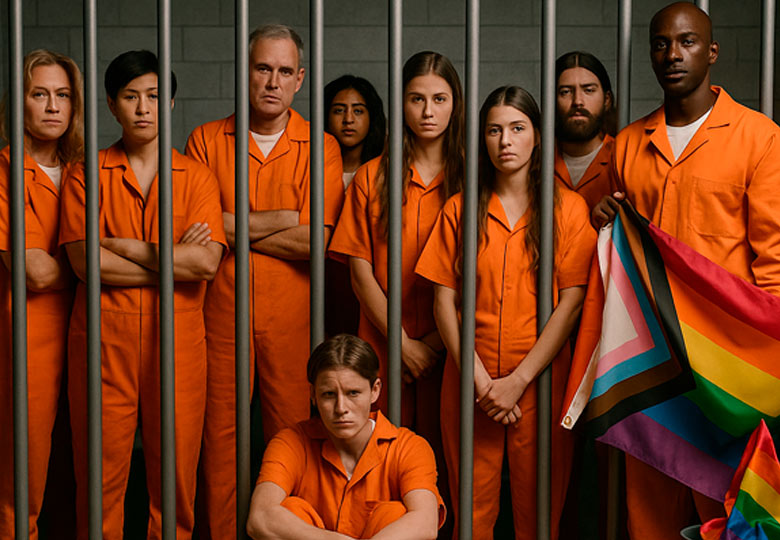
What does it mean that being you is illegal?
For many of us, being LGTBIQ+ is another part of who we are. Something that we have learned to embrace, to share, to celebrate. But not everywhere in the world that experience is possible. In the 21st century, being part of the LGTBIQ+ group continues to be a crime in more than 60 countries. Yes, you read that right. More than 60.
In some places, laws expressly punish homosexuality. In others, non-normative gender expression. In some cases, an anonymous complaint is enough for the persecution to begin. Sometimes it’s jail. Sometimes, exile. Other times, death.
Where is being LGTBIQ+ illegal today?
According to reports from ILGA World (International Lesbian, Gay, Bisexual, Trans and Intersex Association), in 2024 62 countries still criminalize relationships between people of the same sex. Of them, at least 6 impose the death penalty as a possible punishment.
Some examples:
-
Iran, Saudi Arabia, Yemen, Somalia or Mauritania: they apply capital punishment in cases of homosexual relations, especially between men.
-
Nigeria and Uganda: have recently toughened their anti-LGTBIQ+ laws, with prison sentences and even life sentences.
-
Russia: although it does not directly criminalize homosexuality, it has implemented laws that prohibit “LGTBIQ+ propaganda”, which includes everything from talking about diversity to displaying symbols such as the rainbow flag.
-
Malaysia, Qatar, South Sudan, Pakistan, Afghanistan: maintain active legal sanctions against the community, ranging from fines to prison.
And this, without counting the countries where there are no specific laws, but the police, courts or governments act with total impunity in the face of queerphobic violence.
When the danger is legal… and institutional
In these countries, we are not just talking about attacks on the street. We talk about the State itself persecuting you for being you. That the law not only does not protect you, but it becomes your executioner.
In many cases, mere suspicion of “non-traditional behavior” can be enough for an arrest, dismissal, extortion or beating.
The situation is aggravated if you are a lesbian woman or trans person. Because? Because in addition to LGTBIQ+institutional phobia, you are affected by machismo, transphobia and control of bodies. The intersection of violence becomes lethal.
What happens to refugees?
This legal panorama forces many people to flee their countries of origin to survive. But here another problem arises: not all countries recognize persecution due to orientation or identity as a sufficient reason to grant asylum.

In Europe, for example, although there is legislation that recognizes the need for protection, the process is usually slow, revictimizing and full of obstacles. Immigration interviews with LGTBIQ+ people can be deeply invasive, questioning intimate aspects of life that should not be in question.
To what extent are we really prepared to welcome those who escape legalized hatred?
And what about the trailers?
Not everything is bad news. In recent years, some countries have taken important steps towards decriminalization and the recognition of rights. For example:
-
Botswana decriminalized homosexual relations in 2019.
-
Angola and Gabon eliminated colonial laws that criminalized homosexuality.
-
India, after decades of struggle, revoked article 377 that criminalized relationships between people of the same sex.
-
Nepal and South Africa have included the rights of trans and intersex people in their legislation.
These changes are not coincidental. They are the result of years of activism, visibility and international pressure. And they show that the fight makes sense.
The weight of the colonial legacy
A little-known, but crucial fact: many of the anti-LGTBIQ+ laws that exist today were imposed during European colonization. The British Empire, in particular, left behind penal codes that punished homosexuality with prison or hard labor.
When they became independent, many countries retained these laws. Because? Sometimes due to legal inertia. Sometimes due to religious influence. Sometimes as a form of social control. The result is that some of today’s legal hatred has colonial roots.
Isn’t it time to question what laws we inherit and who they serve?
The contradictions of the modern world
Here comes an uncomfortable reflection. On many occasions, the same governments that condemn the criminalization of the group in international forums continue to maintain commercial and diplomatic relations with the countries that persecute us.
Does it make sense to raise our voice against LGTBIQ+phobia while signing treaties with regimes that criminalize our existence? Where is ethical coherence?
We also cannot fail to mention the double standard with which homophobia is measured depending on where it comes from. There are countries that criticize persecution in the global south but continue to allow hate speech on their own television or parliaments.
What can we do from here?
Not everything is in the hands of governments. As a civil society, we have tools to report, make visible and support. Some possible actions:
-
Get informed and share verified information about the global situation.
-
Support organizations that work with LGTBIQ+ refugees, such as ACATHI, CEAR or ILGA.
-
Pressure governments not to collaborate with countries that persecute the community.
-
Do not whitewash homophobia under the pretext of “respecting other cultures”. Sexual and gender diversity is not a Western invention.
-
Give space and voice to people from the group who have had to flee their country. Their stories matter.
A future to build
The map of hate exists. But there is also the map of resistance, that of alliances, that of tenderness. As long as there are laws that criminalize us, there will be voices that will be raised. And although sometimes it seems that the world is going backwards, history shows that visibility, pride and collective struggle do transform realities.
Maybe we can’t change an entire country from our couch. But we can ensure that this issue does not go unnoticed. Because looking the other way is also a form of violence.