
The migration of LGTBIQ+ people in search of security and rights is an issue that has gained relevance in recent years. In this article, we will explore the stories of individuals who have left their home countries due to persecution and violence, as well as their experiences rebuilding their lives in new lands. Through their stories, not only the challenges they face, but also their resilience and ability to adapt are evident.
The Global Context of LGTBIQ+ Migration
The reality for many queer people worldwide is harsh. In more than 70 countries, same-sex relationships are considered a crime, and in some of these places, the consequences can be tragic. Violence, discrimination and the lack of basic rights force many people to seek refuge in other countries where they can live freely.
In this context, migration becomes a matter of survival. However, the journey to a new home is full of uncertainties. Upon arriving in a new country, LGTBIQ+ migrants often face a number of additional challenges, ranging from language to access to health services and legal support.
Stories of Resilience
Alex’s Story
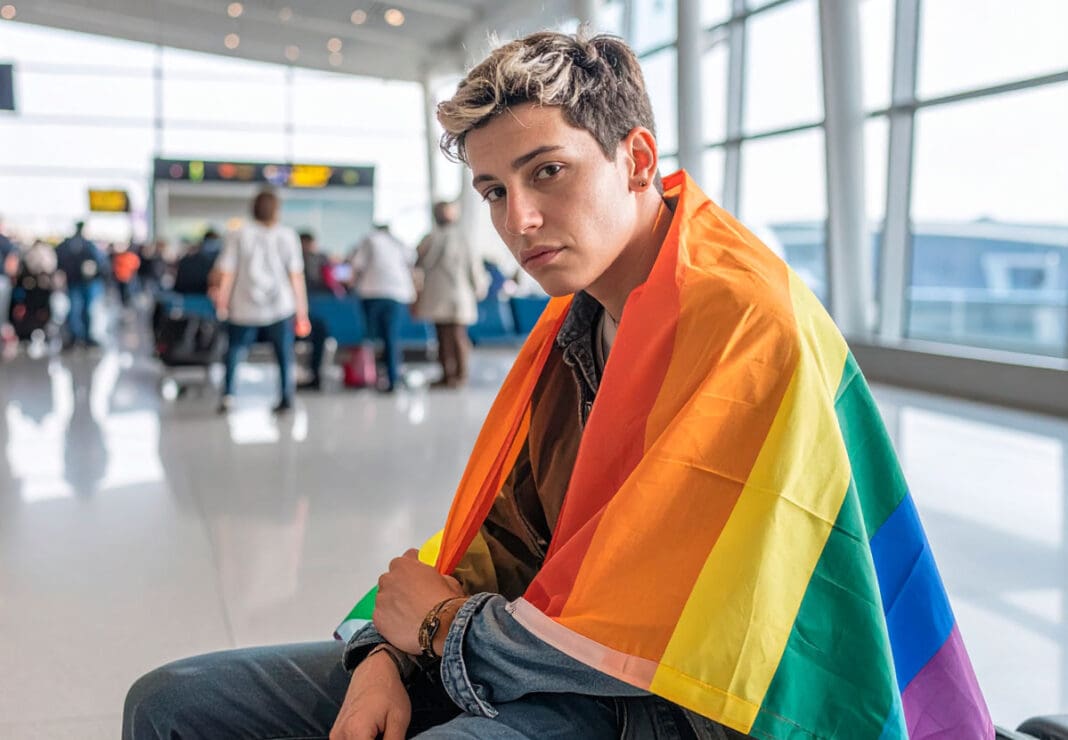
Alex is a 25-year-old young man who left his native country, where homosexuality is criminalized. After being a victim of harassment and violence due to her sexual orientation, she decided to take a trip to Europe. Upon arrival, he was met with a mixture of hope and fear.
“At first it was very difficult. I didn’t speak the language and I didn’t know anyone. But little by little, I found a community that accepted me,” says Alex. Your story is not unique; Many LGTBIQ+ migrants find comfort and support in solidarity networks that emerge in their new countries.
Samira’s Experience
Samira, a trans woman, also had to flee her country due to gender violence. In his new home, he has had to deal with bureaucracy and a lack of understanding about his identity. However, it has found refuge in local organizations that support LGTBIQ+ people. “I have learned that I am not alone. There are other people who have gone through the same thing and who can help me,” Samira says with a smile.
These stories are a testament to the strength and determination of LGTBIQ+ people who are looking for a place where they can be authentic and live without fear. However, they also reflect the need to create safe and accessible spaces for all.
Challenges in the Migration Process
The migration process for LGTBIQ+ people not only involves physical displacement; It also entails a profound change in identity and way of life. Many face family rejection, loneliness and lack of resources.
Additionally, queer asylum can be a complex topic. It is not always easy to demonstrate persecution due to sexual orientation or gender identity before immigration authorities. People can feel discouraged and frustrated, which impacts their mental health and well-being.
Community building is a crucial aspect in the adaptation process. LGTBIQ+ organizations play a vital role in providing emotional, legal and social support. Spaces such as community centers and support groups not only help migrants integrate, but also foster visibility and acceptance in society.
Through workshops, events and activities, these initiatives allow migrants to share their experiences and feel less alone. “It’s a way to heal and find strength in the community,” says Samira.
However, not everything is positive in the migration process. There is criticism about how some organizations may not be aligned with the real needs of LGTBIQ+ people. Are they really listening to the voices of those they represent? At times, asylum bureaucracy and policies can be stubborn and dehumanizing. The need for a more inclusive and understanding approach is evident, and continued dialogue is required to address these issues.

As we move towards a more inclusive future, it is essential to recognize and value the contributions of LGTBIQ+ migrants. Instead of seeing migration as a problem, we should see it as an opportunity to enrich our societies with diversity and unique perspectives.
The fight for LGTBIQ+ rights knows no borders, and solidarity between communities is an essential pillar to build a more just world. At the end of the day, every migration story is a reminder of human resilience and the relentless search for dignity and respect.
Stories of queer migration and refuge reveal a mosaic of experiences that challenge simplistic narratives about migration. Each person brings with them a story of struggle, love and hope that deserves to be heard. It is our responsibility as a society to ensure that these voices are not silenced and that all people, regardless of their sexual orientation or gender identity, have the opportunity to live freely and without fear.