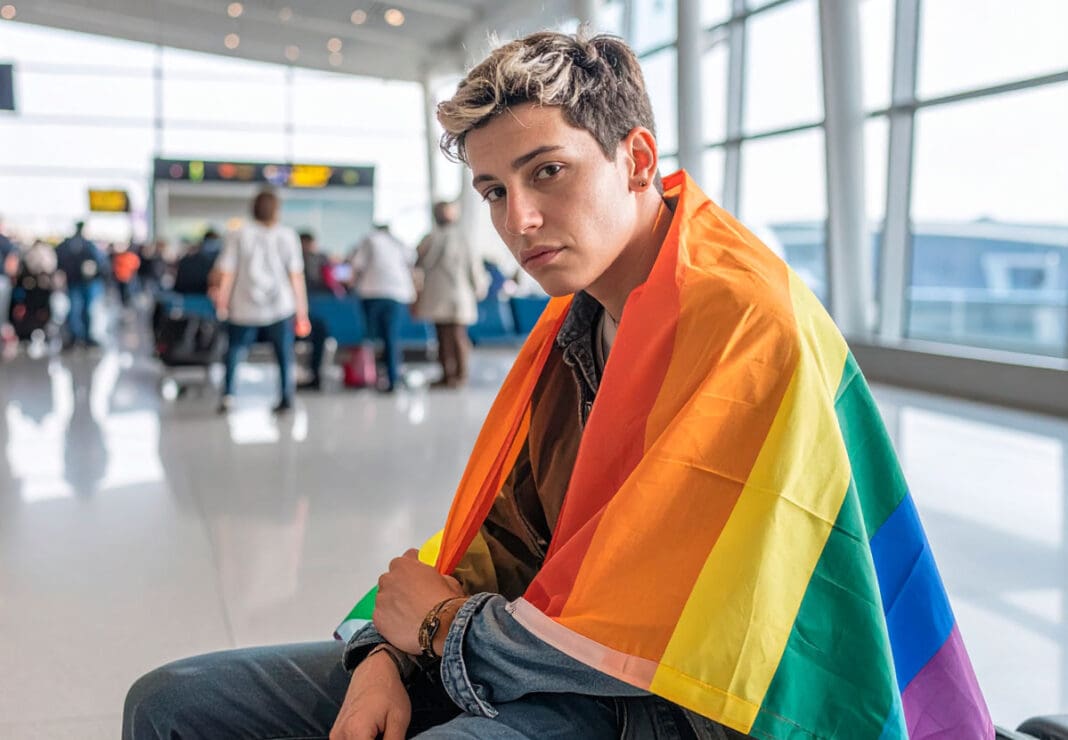


The LGTBIQ+ community has fought for decades for equality and recognition. However, older people who have been an essential part of this fight are often forgotten. Old age in the LGTBIQ+ context is full of significant stories, life experiences, and challenges that deserve to be made visible. In this article, we will explore testimonies from LGTBIQ+ older people, their struggles, the support networks they have developed and the importance of intergenerational memory.
Inspiring Testimonials
“When I was young, I couldn’t be myself. I had to hide my sexual orientation to fit into society,” shares Rosa, a 75-year-old woman who lived in a time when being LGTBIQ+ was synonymous with ostracism. Rosa, like many others, has been part of a movement that has changed the world, although her personal story has often been left in the shadows.
Stories like Rosa’s are common. Throughout her life, she has faced discrimination, but she has also found strength in her community. “We cannot forget what we have experienced. It is our responsibility to share it with the new generations,”he adds.
On the other hand, Manuel, an 80-year-old gay man, remembers the impact of the AIDS crisis on his life. “I lost many friends. It was a dark time, but also one of great solidarity. We created support networks that helped us cope with the pain.” These testimonies reveal the resistance and strength of a generation that has had to fight for its place in society.
Support Networks: Weaving Links
Support networks are crucial for LGTBIQ+ seniors. Organizations in Spain have emerged to provide a safe space where experiences can be shared and receive emotional support. These initiatives allow older people to feel heard and valued.
In addition, the use of digital technologies has facilitated the creation of online support groups, where connections can be established between people of different generations. “It’s incredible to see young and old exchanging stories and forming bonds,” says Laura, an LGTBIQ+ activist.
However, what happens to those who do not have access to these networks? How can we ensure that all voices are heard?
The Importance of Intergenerational Memory
Intergenerational memory is essential to keep the history of the LGTBIQ+ struggle alive. By sharing their stories, older people not only preserve their legacy, but also educate new generations about the importance of tolerance and respect.
“It is vital that young people know where we come from,” says Javier, a 78-year-old trans man. “The history of the LGTBIQ+ community does not begin with pride, but with the struggles and sacrifices of many before us”.
This transmission of knowledge not only fosters a sense of community, but also helps prevent the repetition of past mistakes. History should be a bridge between generations, not a wall that separates them.
However, it is important to question the predominant narrative that often idealizes the LGTBIQ+ struggle. Despite progress, many older people continue to face loneliness, poverty, and a lack of adequate health care. This reality raises the question: have we really done enough to support our LGTBIQ+ elders? The invisibility of their needs remains a critical problem that we must address.
LGTBIQ+ old age is rich in experiences that should be shared and celebrated. The stories of struggle and resilience of older people deserve a prominent place in the community narrative. By making their story visible and recognizing their contribution, we not only honor their bravery, but we also strengthen the social fabric of the LGTBIQ+ community.

It is essential to continue promoting support networks and inclusive spaces where everyone can share their experiences without fear of judgment. Intergenerational memory is the key to a more inclusive and empathetic future. Ultimately, every voice counts and every story matters.