


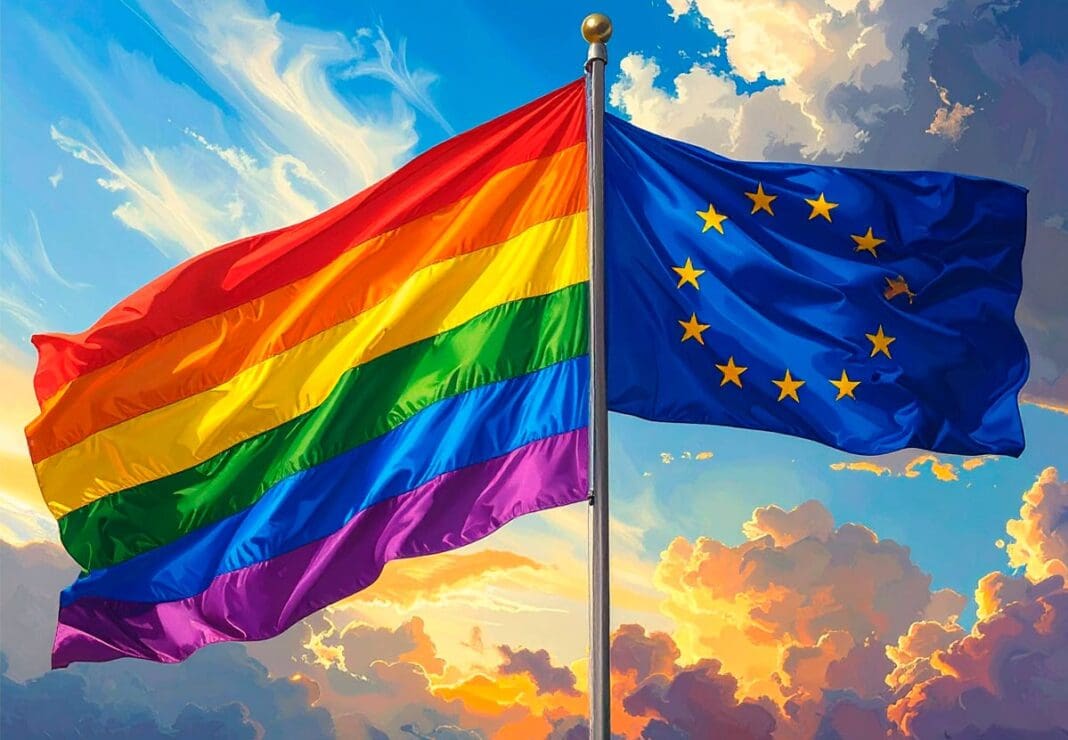
Equality is a fundamental pillar in the European Union, and the European Commission reaffirms this with the adoption of a new LGTBIQ+ Equality Strategy for the period 2026-2030. This initiative, which builds on the achievements of its predecessor (2020-2025), seeks to guarantee that every person in the EU can live safely, freely and authentically, loving whoever they want without fear of discrimination.
Despite an increase in social acceptance towards the LGTBIQ+ community in the last five years, the reality is that unacceptable levels of hatred, violence and discrimination still persist. An alarming fact is that one in four LGTBIQ+ people, and almost half of trans people, have been victims of “conversion practices”, which include everything from physical and sexual violence to verbal abuse and humiliation. This stark reality underscores the urgency and need for decisive action.
Pillars of a transformative strategy
The 2026-2030 Strategy is built on three essential pillars, designed to combat hate and promote freedom and diversity both within the EU and globally:
- Protection against violence: The aim is to safeguard LGTBIQ+ people from all forms of violence, guaranteeing their integrity and safety.
- Empowerment and rights: The strategy aims for the LGTBIQ+ community to live free of discrimination, enjoying the same rights in all areas of life.
- Social involvement: The participation of the entire society, at all levels, is promoted to move together towards full equality.
Concrete actions for a fairer future
Among the key measures of this new strategy, the Commission’s commitment to evaluating the nature, prevalence and impact of conversion practices stands out. The objective is to propose appropriate actions to eradicate them, taking into account the European Citizens’ Initiative, which already advocates for their prohibition.
Likewise, the strategy focuses on the fight against hate, both in the real world and in the digital world. A knowledge center will be created to collect information on illegal hate speech online, reinforcing the monitoring of the Code of Conduct+. In addition, an EU action plan against cyberbullying will be adopted, with special attention to LGTBIQ+ youth, a particularly vulnerable group.
Equal opportunities for the LGTBIQ+ community not only strengthens social cohesion, but also boosts the economy. Diverse societies encourage entrepreneurship and innovation, contributing to European competitiveness. Currently, discrimination based on sexual orientation generates an annual loss of up to €89 million in EU GDP. To address this, the Commission will publish a report in 2026 on the implementation of the Employment Equality Directive and set out new guidelines for inclusive recruitment practices.
Collaboration with civil society is essential. Funding through the CERV program will continue until 2027, and the next Multiannual Financial Framework (MFF) will allocate up to €3.6 billion through the CERV+ component of the AgoraEU program to promote equality, combat gender violence and encourage democratic participation.
A shared path towards equality
Fighting inequality in the EU is a shared responsibility that requires joint action. The European Commission urges all Member States to adopt their own national action plans or LGTBIQ+ equality strategies, offering its unconditional support. It also encourages other EU institutions to support the implementation of this strategy, which will be regularly monitored and reviewed mid-term in 2028.
This strategy is a reflection of the unwavering commitment of President Von der Leyen and Commissioner Lahbib to the defense of equality and non-discrimination. Supported by recent legislation, such as the new binding standards for equality bodies (May 2024), which guarantee their independence and resources, and the Code of Conduct+, which improves the management of hate content online, the EU is moving steadily towards a more inclusive future.
What role can we each play in building a society where everyone feels safe and valued? How can we, from our daily lives, contribute to making LGTBIQ+ equality a palpable reality and not just an aspiration?