
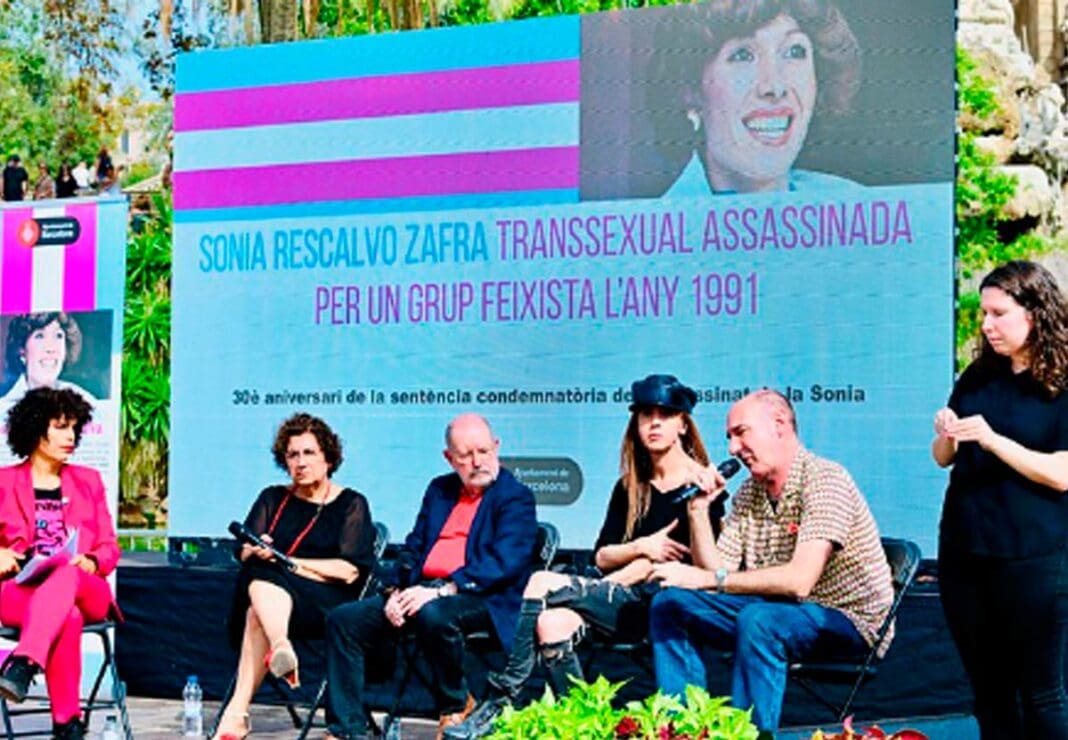
Next Sunday, October 5, Barcelona is preparing for an emotional tribute to Sonia Rescalvo Zafra. His name, sadly linked to a hate crime in 1991, resonates today as an unwavering symbol of the LGTBIQ+ struggle. This year, the recognition will focus on the intersection between “sexilio” and the world of entertainment, a refuge and means of life for many trans women, like Sonia.
The Ciutadella Park, witness to his life and its tragic end, will host this event around the Glorieta that has carried his name since 2013. A space of memory and resistance that invites reflection: how have we progressed as a society since that fateful 1991?
A Program Full of Sensitivity and Visibility
The LGTBI Municipal Council, in collaboration with various entities such as Voces Trans, OCL, ACATHI, Stop, CJB, Sectorial LGTBI Junts, ATC Libertad, Still in Action and GAG, has designed a program that goes beyond memory. From 11:00 a.m. to 1:30 p.m., readers can immerse themselves in a range of activities:
- Living Library (ACATHI): A unique opportunity to learn up close the realities of trans people through their own voices.
- The Roundabout of Wishes (Stop): A space to fill the roundabout with colored ribbons and positive trans messages, weaving a network of support and hope.
- Creative Workshops: Badge workshop for the youngest (Veus Trans) and bag workshop (GAG and Encara en Acció), promoting creativity and awareness.
- Messages for Sonia: A corner to record videos and share what Sonia Rescalvo means to each person, creating a collective testimony of her impact.
The actress and comedian Nessa Molina will be in charge of leading this event, which will have the participation of municipal representatives, members of LGTBIQ+ entities, people who have experienced sexile and cabaret references. Musical performances by Estefanía Vidal and Hugo Marlo will add a note of emotion and art.
Sonia Rescalvo: A Life Marked by Resistance
Sonia Rescalvo Zafra was born in Cuenca in 1956 and found her place in Barcelona, in the vibrant artistic world of Paral·lel. A recognized star at the Teatre Arnau, her life took a turn with the crisis of the show, leading her to live in the Ciutadella Park, where she dedicated herself to sex work.
In the early morning of October 6, 1991, his life was brutally taken by a group of neo-Nazis. A hate crime that, at that time, did not have a specific criminal offense. However, the denunciation of the Gay Liberation Front of Catalonia (FAGC) and the Gay-Lesbian Coordinator, and the subsequent conviction of the murderers in 1994, set a crucial precedent in the fight against impunity for crimes against LGTBIQ+ people.
The murder of Sonia Rescalvo was an act of transphobia and aporophobia, a reflection of hatred towards her gender identity and her situation of vulnerability. Today, his name is a banner in the fight against transphobia, hatred and fascism. October 6 has become a significant date for trans memory in Catalonia, framed in Trans October, which at an international level demands the depathologization of these identities.
Sonia’s story invites us to ask ourselves: what role does each of us play in building a more just and respectful society? How can we ensure that the memory of those who fought for their right to exist does not fade?