

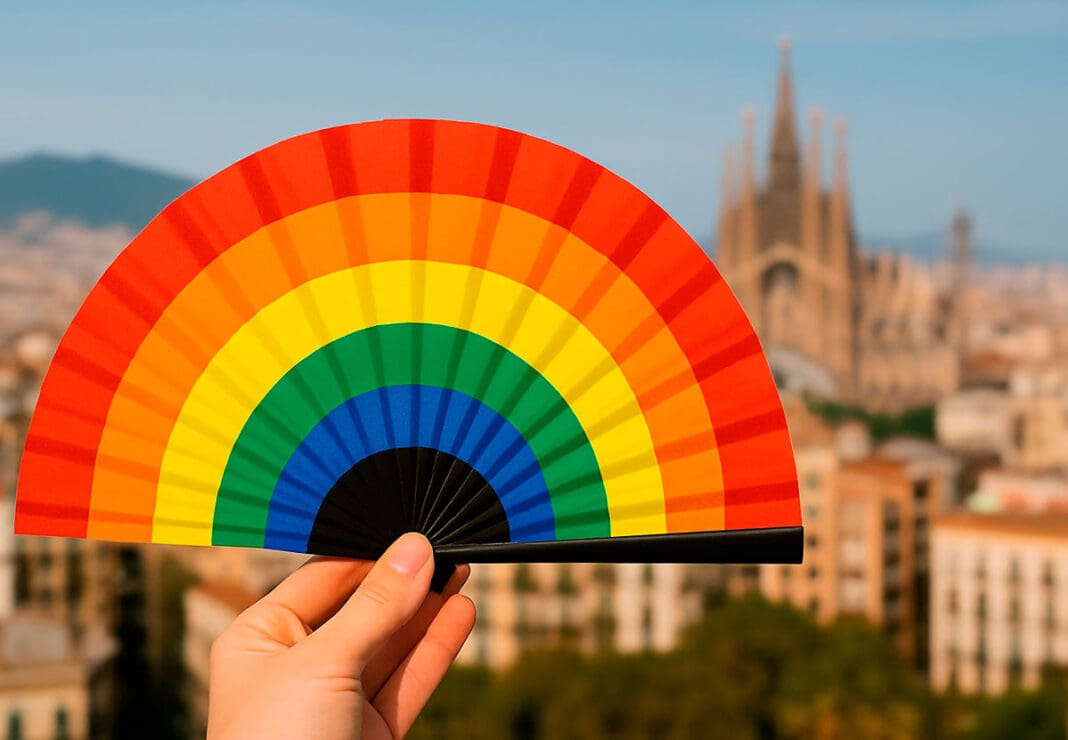
August has arrived. LGTBIQ+ Pride is over. LGTBIQ+ flags have disappeared from shop windows, corporate profiles return to their original logo, and inclusive marketing campaigns are shelved until next year. It is worth asking: What is left when all that disappears?
Every year, millions of people take to the streets to claim their right to be, to exist without fear, to love freely. But also every year, a pattern is repeated that is increasingly evident: brands, institutions and even public figures and influencers who for a month wrap themselves in the LGTBIQ+ flag only to disappear when the month ends. Is this real commitment or an empty “rainbowwashing” strategy?
Pride as a showcase
The so-called “Pride month” has become a key moment for marketing. And there is nothing wrong with making the LGTBIQ+ community visible and celebrating. The problem appears when this visibility is not accompanied by concrete actions. T-shirts with colorful slogans, inclusive ads, and social media posts are gestures that can have an impact. But they do not replace activism, nor the structural change that we still need.
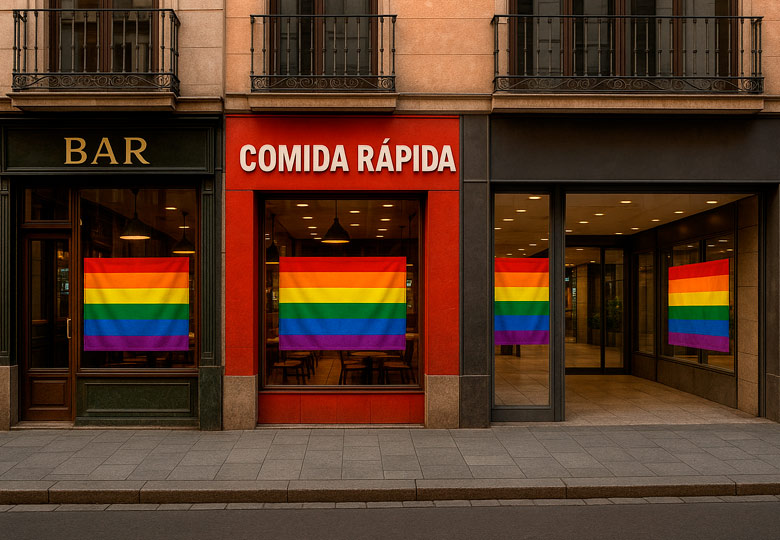
Why do many of those brands that join the party ignore the rest of the year about the realities that the group lives? Where are they when discriminatory laws are approved, when rights are curtailed or when a trans person suffers institutional violence?
“Pride was born as a protest, not as an advertising strategy.”
Commitment beyond marketing
Claiming LGTBIQ+ rights requires more than an aesthetic gesture. It means reviewing internal policies, offering safe work spaces, hiring with an inclusive perspective, and training in diversity. It means acting, not just posing.
There are companies that are doing it well. That they work with organizations of the group, that implement real inclusion protocols, that give visibility to LGTBIQ+ people all year round, not just in June. But they are the minority. Most still use Pride as a reputational springboard, without taking on the risk and work that comes with standing up for rights firmly and consistently.
And the people?
We’re not just talking about brands. Many cishetero people also “put on the Pride shirt” in June, and then disappear from the conversation. It is not about demanding professional activism, but about remembering that the fight for equality is not limited to one party a year. Commitment begins in small daily acts: questioning LGBTIphobic jokes, supporting colleagues, reading, listening, learning.
Is it comfortable? Not always. Is it necessary? Absolutely.
What hurts is not seen on Instagram
While some campaigns show happy couples kissing at sunset, there are realities that continue to be left out of the frame: the precariousness suffered by many trans people, violence against queer youth in rural environments, the invisibility of non-binary or intersex people. Also hate speech that, far from disappearing, has increased on networks and media.
It’s not that celebrating is wrong. On the contrary. We need spaces of joy, of shared pride. But let no one forget: Pride was born as a protest, not as an advertising strategy.

The importance of sustained activism
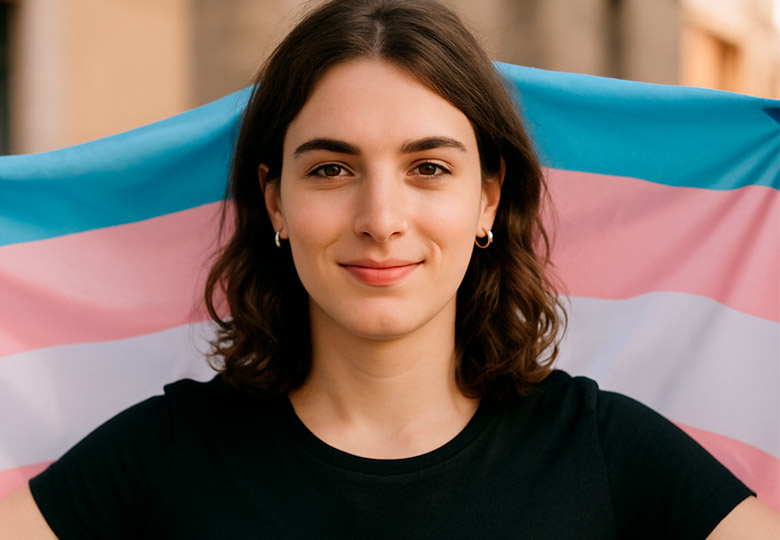
The work of groups and activists is constant. It doesn’t start in June or end in July. They organize workshops, provide legal advice, report attacks, and accompany those who feel outside the system. They are the ones who carry much of the fight on their shoulders. And they are rarely the ones who appear in institutional campaigns.
What if, instead of spending millions on ads during Pride, brands funded community-led projects year-round?
The contradictions of the corporate rainbow
We must also point out an uncomfortable dilemma: some of the brands that join Pride have operations in countries where being LGTBIQ+ is illegal, or they support politicians who vote against the rights of the group. How to justify that? How can we talk about diversity while queer people are exploited in undignified working conditions?
Perhaps the question we should ask ourselves is:can a company truly be an ally if its commitment is limited to marketing? The answer is not simple. But the debate is urgent.
No definitive answers, but with a desire for change
We don’t have all the answers. Sometimes, even within the group itself, there are doubts, tensions, contradictions. How to maintain a celebration without it becoming empty of content? How to take advantage of visibility without falling into the superficial?
The truth is that no one is exempt from contradictions. But if we want to move forward, we need self-criticism. And willingness to do better.
It’s not just about flags
The flag is a symbol. And like any symbol, it can become empty if it becomes a simple decorative tool. The real question is: What do we do with it when the holidays are over?
Keep talking, keep fighting, keep taking care of each other. Because being part of the change is not a pose, it is a daily decision. Pride doesn’t end in July. Pride—the fight, the dignity, the resistance—is all year round.
Real and sustained actions: beyond the gesture
1. Review internal policies with an LGTBIQ+ perspective
A company that declares itself inclusive must reflect this in its regulations and daily operations.
- Protocols against discrimination: Ensure that there is a clear and effective procedure for LGBTIphobic comments, attitudes or situations.
- Trans inclusion policies: Use of the chosen name in all internal documents, access to bathrooms in accordance with gender identity and accompanied labor transition processes.
- Inclusive language: It is not just about speaking in neutral, but about formulating documents, communications and processes that recognize all identities. Forms that do not require you to choose only between “man” and “woman”, for example.
2. Continuous training in diversity
A talk in June is not enough. Inclusion is learned and trained.
- Mandatory training for the entire workforce on sexual and gender diversity.
- Workshops on unconscious prejudices, to detect LGTBIphobic attitudes that go unnoticed.
- Specialized training for middle managers and HR teams, which are key in the work environment.
Can it be uncomfortable? Sometimes yes. But discomfort is part of the process of change.
3. Inclusive hiring and real representation
- Establish quotas or affirmative action plans for historically excluded groups, such as trans or non-binary people.
- Collaborate with LGTBIQ+ associations that accompany job placement processes.
- Ensure that representation in campaigns, leadership and events is not limited to the symbolic. Who makes the decisions in the company? Are there LGTBIQ+ people in those spaces?
Real diversity is not having a queer person in a campaign. It is that I can lead it, direct it, create it.
4. Economic and logistical support for groups
- Financing community projects, especially those that support the most vulnerable people within the group (trans, migrants, racializations).
- Give up spaces, resources, communication platforms or personnel for community initiatives.
- Establish constant alliances with organizations that have been working on activism for years.
There is no need to invent the wheel. Listening to those already doing the work can be much more powerful than creating a new campaign.
5. Presence throughout the year
- Participate and support events and key dates that affect the LGTBIQ+ community (Trans Remembrance Day, Day against LGTBIphobia, lesbian, bisexual, intersex visibility…).
- Maintain active communication about diversity on social networks, blogs and internal channels even outside of Pride month.
- Be globally consistent: if a brand positions itself as inclusive in Europe, it must also defend those values in other countries, even if it entails reputational or commercial risk.
6. Internal audits and transparency
- Measure the degree of real inclusion with external audits that evaluate the work environment, treatment of the group, development opportunities, etc.
- Publish diversity reports, as many companies already do with sustainability or parity.
- Listen to your LGTBIQ+ workers with anonymous internal surveys, safe spaces for expression and real dialogue tables (not just window dressing).
7. Supporting organizational culture
- Invest in creating a business culture where diversity is not tolerated, but valued and celebrated.
- Foster internal support networks: LGTBIQ+ groups within the company, affinity circles, cross mentoring.
- Have a person or team responsible for diversity policies, with a budget and decision-making power, not just a decorative function in Human Resources.
8. Firm public positioning
- Do not remain silent in the face of legislative setbacks or hate speech. A company that calls itself an ally must speak out when rights are violated, even if it is uncomfortable.
- Defend LGTBIQ+ rights in the media, events and public forums, not only when it is trendy or profitable to do so.
- Join strategic litigation or public advocacy campaigns promoted by collective associations.
Protecting and vindicating LGTBIQ+ rights is constant, deep and structural work. It is not enough to paint a logo in colors or invite a drag queen to a June event. True commitment is seen in policies, practices, employment, language, visibility and the firmness to position yourself even when it is not profitable.
Companies and institutions do not have to have all the answers. But they must be very clear about something: if they are not part of the change, they are part of the problem.