

What is happening with the Trans Law in the Valencian Community?
Compromís has decided to take a step forward and ask the Ombudsman to appeal to the Constitutional Court against the modifications introduced in the so-called Valencian Trans Law. According to the coalition, these alterations — included in Law 5/2025 approved on May 30 by the Consell — represent a setback in the rights of the trans community and violate fundamental principles recognized in state and regional legislation.
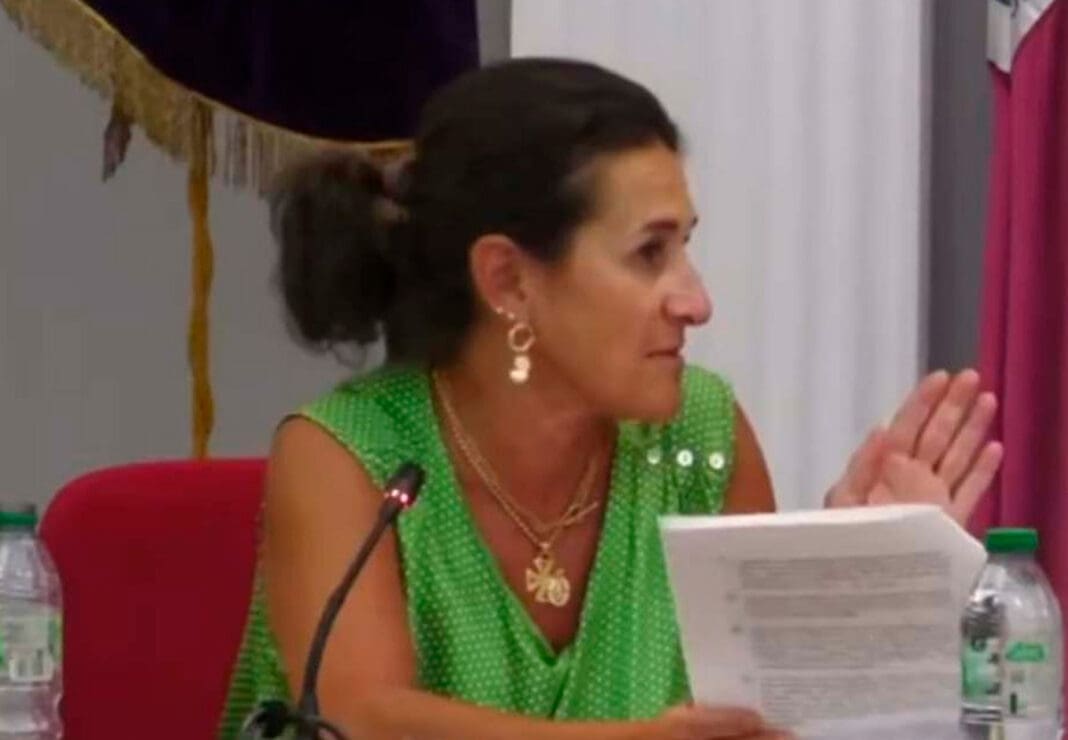
Àgueda Micó, deputy in Congress, and Francesc Roig, representative in Les Corts, have formalized this requirement with the aim of stopping what they consider a regulatory “involution.” The conflict revolves around several administrative precepts that, according to Compromís, limit rights previously guaranteed to trans people in the Valencian Community.
What exactly has been changed?
The reforms have been included within an omnibus law—the Law on Fiscal Measures and Organization of the Generalitat—, which has generated criticism for the form and substance of the procedure. Among the aspects questioned is the suppression of institutional support mechanisms for trans people, as well as the weakening of structures that until now guaranteed their protection in the health, educational and social spheres.

It’s not just about technical details. For many people in the group, these changes directly impact their daily lives. Access to treatments, care in educational centers or specific training of public personnel are key elements for real inclusion.
A legal or ideological debate?
Although the Consell argues that the changes seek to simplify and reorganize regulations, for Compromís—and an important part of LGTBIQ+ activism—the true substance is ideological. It is not the first time that a reform under the umbrella of efficiency ends up cutting social rights.
The question that hovers above is clear: are we facing a technical process or a covert political strategy? The ambiguity of the legal text and the lack of prior dialogue with entities of the group add more doubts than certainties.
What role can the Ombudsman play?
Although it does not have legislative capacity, the Ombudsman can present appeals to the Constitutional Court when a possible violation of fundamental rights is detected. For this reason, Compromís’ request is not symbolic: it could open a judicial process that forces us to review—and even reverse—the changes introduced by the current Valencian government.
At this point, the role of the Defender becomes key. Will you respond to this request? Will the path to the Constitutional Court begin? There is no clear date for a response, but the political clock is already ticking.
A critical look: is everything black or white?
Although the defense of trans rights is unquestionable for many people, there are also voices that invite clarification. Some experts in administrative law point out that part of the reforms seek to avoid duplication and improve institutional coordination. In addition, more conservative sectors argue that the previous legislation had legal loopholes that needed review.
It is also worth asking whether political strategies, even from progressive parties, sometimes prioritize visibility and media revenue over substantive work. Is it possible to protect rights without falling into partisan confrontations? Are we facing a real defense or a battle for the story?
Rights in dispute, vigilant community
The conflict around the Valencian Trans Law is much more than a technical disagreement. It is a reflection of the political moment we live in, where social advances can falter with a simple change of government. For the LGTBIQ+ community, it’s not just about laws. It is about lives, dignity and recognition.
While awaiting a response from the Ombudsman, the community remains attentive. Because if the history of the LGTBIQ+ movement has shown anything, it is that the rights achieved are not taken for granted.