

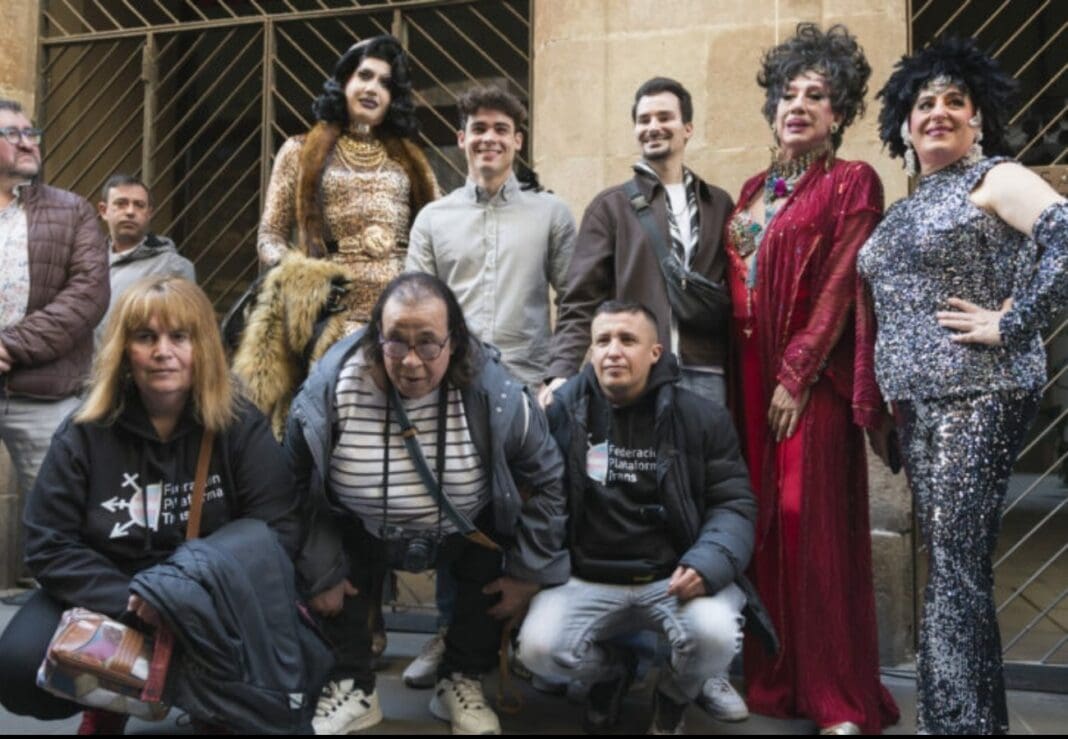
- Barcelona City Council installs a commemorative plaque on the building where the artist lived in the Raval neighborhood.
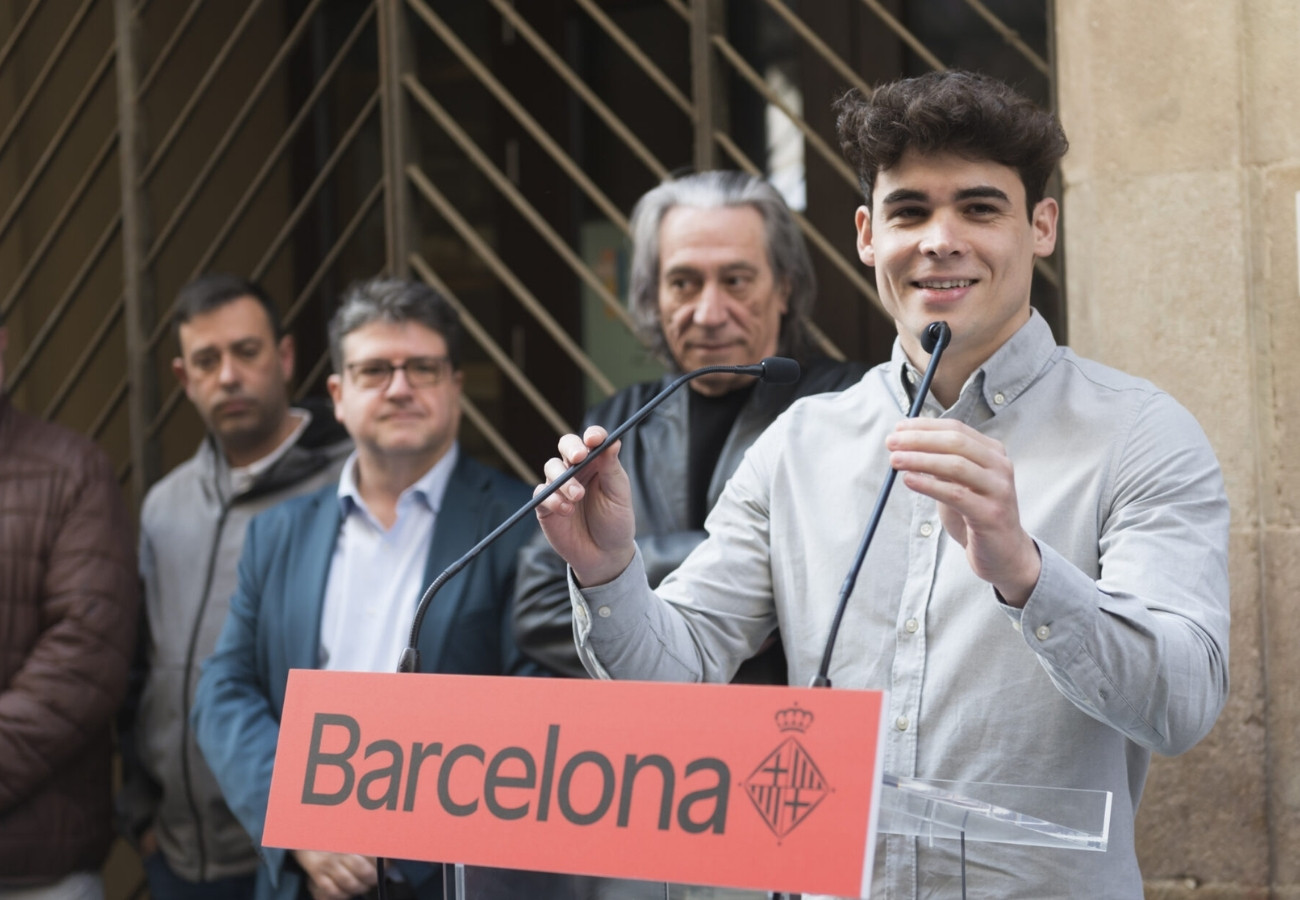
- The event was attended by authorities such as Javier Rodríguez, commissioner of LGTBI Policies
- His figure is vindicated not only as a television character, but as a reference in the fight for freedom in the 80s.
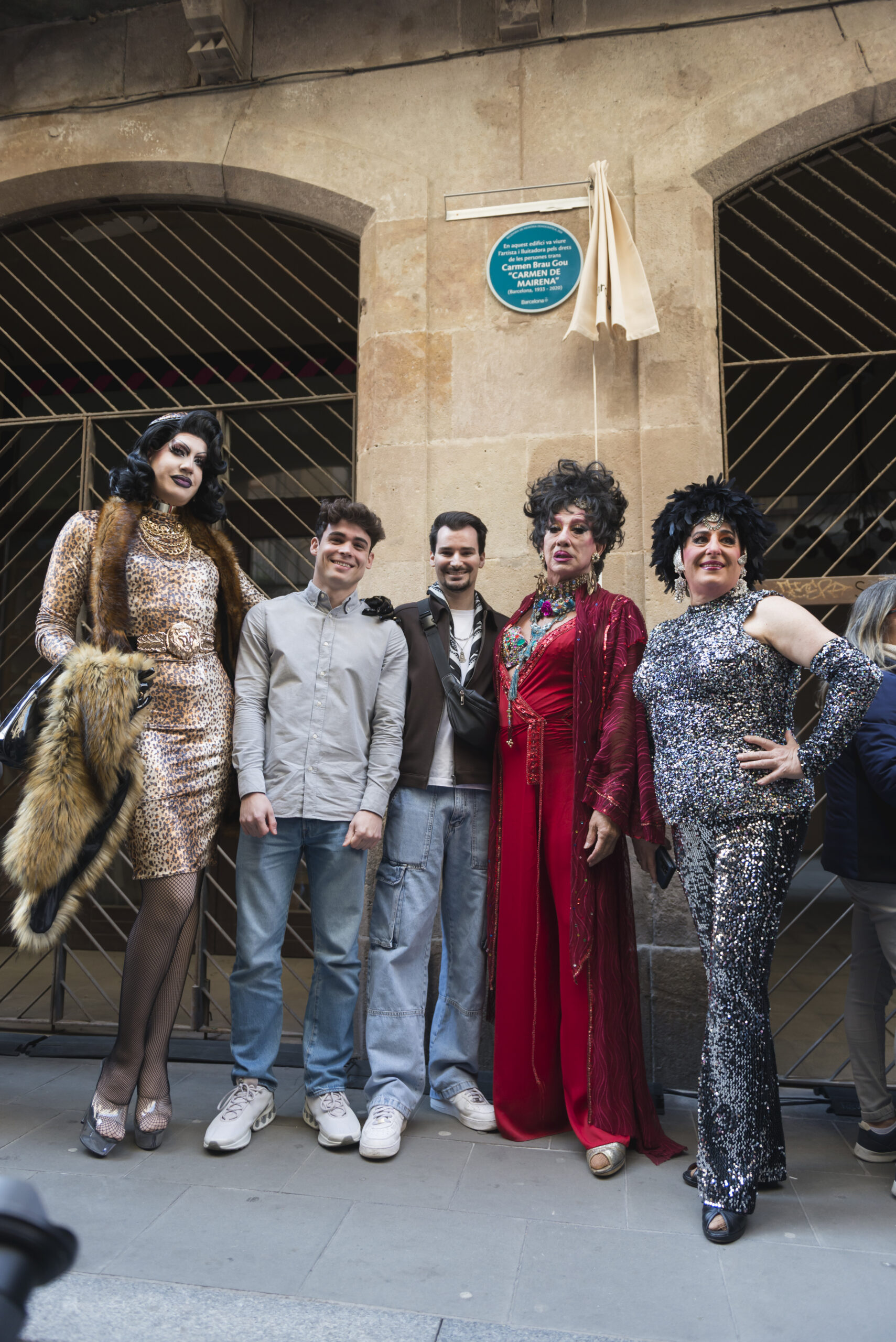
Barcelona has paid an emotional tribute to Carmen de Mairena, unveiling a plaque in her memory in the building where she lived. Commissioner Javier Rodríguez led this institutional event this afternoon, recognizing the artist as a fundamental pillar of diversity and popular culture in Barcelona.
A tribute born from citizen initiative
Official recognition has not been an isolated gesture by the administration. During the event, Commissioner Javier Rodríguez wanted to explicitly thank the friends of Carmen de Mairena for promoting this initiative. According to Rodríguez, this tribute was “deserved” for a leader who fought for freedom in a time as complex as the 80s.
Mairena’s figure transcends the screen; It represents the resistance of all those people who were relegated to the margins in their fight for diversity. The commissioner stressed that Carmen is a symbol of what the Raval and Barcelona mean in terms of welcome and freedom of expression.

Trans and popular culture icon (1933–2020)
Carmen de Mairena was much more than a well-known face on television; She was a tireless fighter for the rights of trans people. His life, marked by improvement and art, is now an inseparable part of the city’s history.
The celebration included a musical performance by El Cangrejo, the emblematic venue that was a key stage in the artist’s professional career and where she forged her legend.
Institutional support in El Raval
The unveiling of the plaque was also attended by relevant personalities from the Barcelona City Council, such as the Councilor for Culture and Creative Industries, Xavier Marcé, and the commissioner of the Pact for Ciutat Vella, Ivan Pera. Its presence reinforces the city’s commitment to the historical memory of the LGTBI community.
The location of the plaque in her former home allows locals and visitors to remember the passing of a woman who, with her rhymes and presence, changed the perception of marginality in Barcelona.