


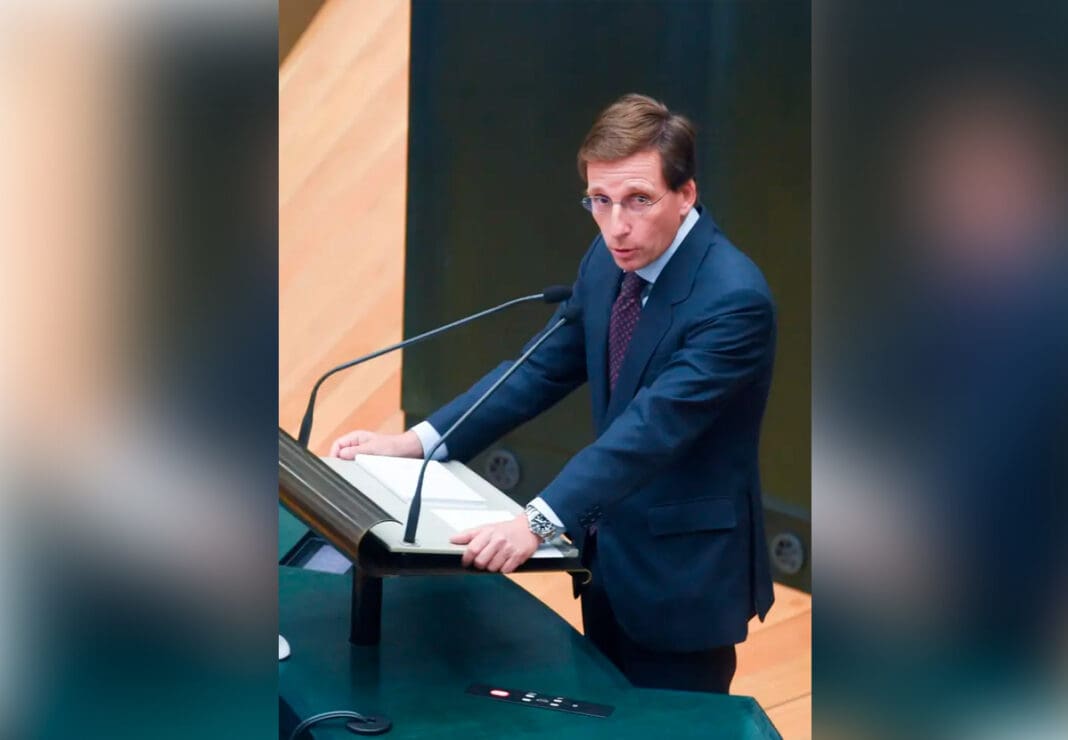
In a recent extraordinary plenary session at the Cibeles Palace, the mayor of Madrid, José Luis Martínez-Almeida, has put on the table a controversial statement: the Trans Law is, in his opinion, responsible for the current lack of 126 firefighters and 60 specialist drivers in the city. This statement, which has described the rule as “infamous”, has generated an intense debate about its impact on the workplace and rights.
Direct accusation: an “infamous” law
During the Debate on the State of the City, Mayor Almeida did not hesitate to point directly to the Trans Law, approved in the Congress of Deputies, as the main cause of the current situation in the fire department. In her words, the absence of personnel in these essential positions is due to this legislation, which, together with the Law of ‘only yes means yes’, would be “harming” and causing a “setback” in the rights of women in Spain.
Is it a forceful statement or a simplification of a more complex reality?

Impact on oppositions: a gender issue?
The mayor has emphasized the harm that, in his opinion, the Trans Law would be causing women who aspire to join the fire department. He argues that the possibility of a man declaring himself a woman without any further formalities than a civil registry could “take away the place” of a woman who has dedicated time and effort to preparing her entry.
This vision raises important questions about equal opportunities and the interpretation of the Trans Law in the field of public competitions. Does the Trans Law reflect a real threat to women in the workplace, or is it a biased reading of the regulations?
The figure of 1,750 troops: the context of the fire department
Almeida also recalled the objective of reaching 1,750 personnel in the Madrid fire department, a figure agreed upon in the collective agreement with the City Council unions. For next year, a new call for positions for 127 specialist firefighters and 68 for drivers has been announced.
Are these new calls a response to the alleged lack of personnel derived from the Trans Law, or are they part of long-term planning to strengthen the fire department independently of this legislation? It is essential to consider the context and the various variables that influence staffing in an essential public service.
The statements of the mayor of Madrid invite us to reflect on how regulations can be perceived and interpreted in very different ways, and how these perceptions can generate polarized debates. What role do language and narrative play in the construction of public opinion on laws that affect the LGTBIQ+ community? How can we ensure that the debate focuses on the facts and a deep understanding of the implications of each law?
It is crucial to remember that the implementation of any law can have complex and multifaceted consequences. Constructive dialogue and objective analysis are essential to understand the real impact of these regulations on the lives of all citizens.