

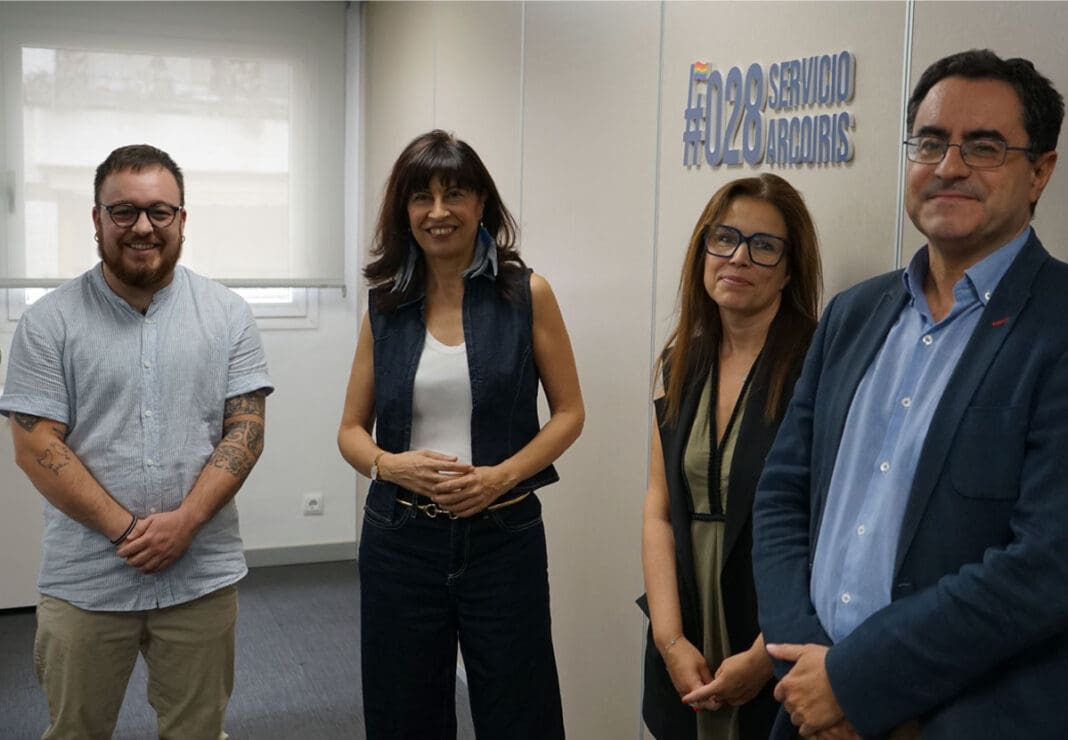

At a time when LGTBIphobia not only does not recede, but in some cases it grows, having resources to accompany, guide and protect is more important than ever. The 028 Rainbow service, promoted by the Ministry of Equality, is one of them. And its figures speak for themselves: since it began operating in July 2023, it has provided 23,523 services.
A notable increase in its second year
The official balance, updated as of July 27, 2025, shows clear growth. Only in the second year (July 2024 – July 2025) 13,202 attentions have been registered, 37.3% more than in its first year, when there were 9,614.
The majority of contacts come by phone (19,697 calls), but there is also room for those who prefer other channels: 2,458 inquiries by chat and 1,368 by email.
What is it most used for?
The reasons for consultation are as diverse as the LGTBIQ+ community itself:
- Psychological support in situations of vulnerability or emotional crisis.
- Violence in same-gender couples.
- Advice on rights and benefits.
- Hate crimes and discrimination.
- Legal assistance and guidance.
Every call, every message, is a reminder that LGTBIQ+ realities continue to face barriers and attacks, and that constant support is necessary.
View this post on Instagram
A service always available
028 operates 24 hours a day, 365 days a year, throughout the national territory. It is free, anonymous, confidential and accessible in ten languages. In urgent cases, the service has protocols to refer calls directly to 112, as well as coordination agreements with similar resources in Aragon and Galicia.
Behind each care there is a specialized team: coordinators, psychologists, social workers, legal advisors and staff dedicated to training, quality and data analysis. It’s not just a phone: it’s a human network that listens, guides and acts.
The context: a worrying rebound
The Minister of Equality, Ana Redondo, has been clear: crimes against LGTBI people have increased around 13% in the last year. A fact that is worrying and that reinforces the need to have services like 028.
In his words, “to incorporate diversity into society from respect, resources that guarantee and ensure rights against the global reactionary wave are essential”.
It has also sent a message to the media: in the same way as happens with 016 in cases of gender violence, including 028 in information about LGTBIQ+ attacks or discrimination can make the difference between silence and access to help.
Official figures and statements confirm that 028 is not just a phone, but a symbol of resistance and support. The question is: will we be able, as a society, to reach a point where this service is less necessary because LGTBIphobia is no longer a threat?

Meanwhile, the line remains open. Because you can’t always wait. Because every minute matters.