


The US approves Yeztugo, the first semi-annual drug to prevent HIV. Are we closer to the end of the epidemic or are there still barriers to break down?
A new way to protect yourself against HIV
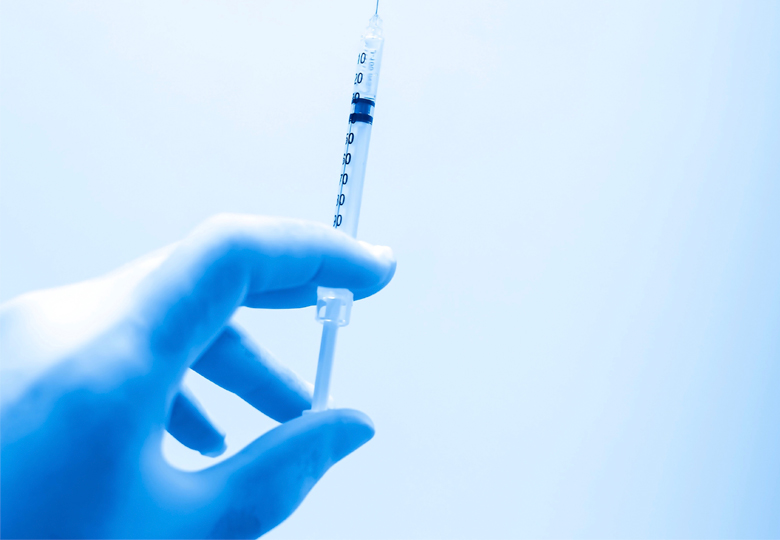
A quiet revolution has just begun in HIV prevention. This week, the US Food and Drug Administration (FDA) gave the green light to Yeztugo (lenacapavir), the first injectable medication that is administered only twice a year to reduce the risk of HIV infection in adults and adolescents.
This progress is not minor. For decades, prevention options have been limited to daily pill regimens, such as PrEP. Now, with only two punctures a year, a door opens to more accessible protection, especially for those who have difficulty maintaining adherence to daily treatments or face social barriers and stigmas.

What is Yeztugo and how does it work?
Yeztugo is an HIV capsid inhibitor, which acts by interfering with the virus replication process. It was already used in Europe as part of the treatment for people with HIV, but now it goes one step further by positioning itself as a preventive tool.
The indication approved by the FDA is clear: prevention of HIV through sexual contact in adults and adolescentswho weigh at least 35 kg. In clinical trials, 99.9% of participantsremained HIV negative after receiving treatment.
A key moment, according to the scientific community
Daniel O’Day, CEO of the pharmaceutical company Gilead Sciences (manufacturer of the drug), summarizes it like this:
“Yeztugo will help us prevent HIV on a scale never seen before. We now have a way to end the HIV epidemic once and for all.”
Carlos del Río, co-director of the Emory Center for AIDS Research in Atlanta, agrees on its importance, stressing that this new approach could break down fundamental barriers such as lack of adherence or social stigmaassociated with daily treatments. “Many people do not feel comfortable taking a pill every day, whether for personal, family or social reasons,” he explained in an interview.
What changes with this approval?
Until now, people interested in preventing HIV had to opt for daily oral medications or more frequent injections. With this new alternative, the burden of treatment is reduced and, hopefully, also the inequalities in access and stigmatization that still surround people who decide to protect themselves.
The option of semi-annual treatment not only simplifies the process, but can also have a real impact on especially vulnerable or underserved communities, including many LGTBIQ+ people, migrants, young people and sex workers.
But… is all that glitters gold?
Although the news marks important progress, it is not without doubts. For example, the priceof the drug could become a significant barrier in countries without a robust public healthcare system or without adequate subsidies. Furthermore, widespread enthusiasm leaves behind the lack of long-term data on possible side effects or resistance. One might also ask: Will the industry put as much effort into making it accessible to everyone as it does about advertising its achievements?
A promising future… if access is guaranteed
HIV prevention with a biannual injection marks an encouraging milestone. But as is often the case with many medical advances, its impact will depend on really reaching those who need it most. The fight against HIV is not only medical, it is also social. And even if we don’t have all the answers yet, it’s time to keep asking.