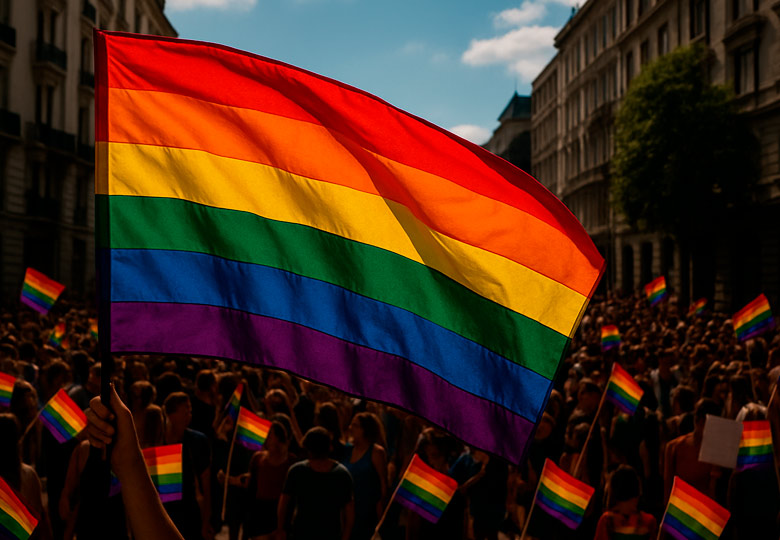

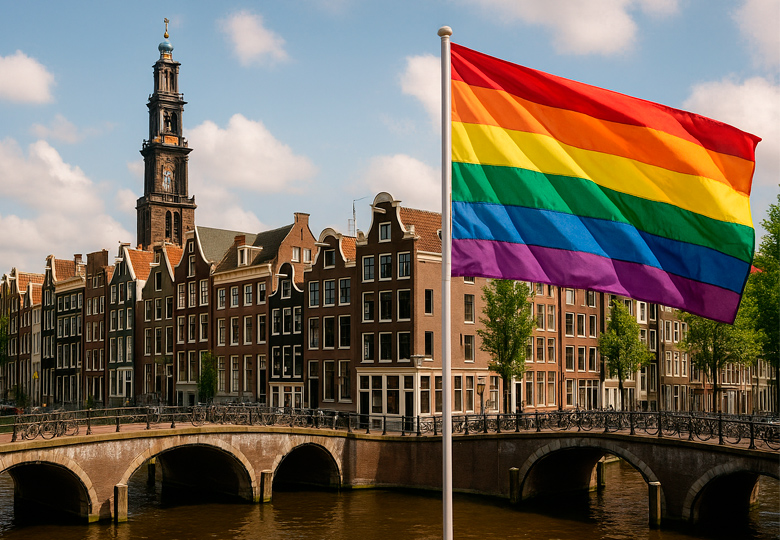
Traveling is more than just tourism: it is also looking for safe spaces to be. And for many within the LGTBIQ+ collective, this remains a challenge. Although Europe has made progress in rights, the experience is not the same everywhere. Today we take you through some of the European cities that in 2025 will consolidate themselves as havens of diversity, respect and celebration of identities.
1. Amsterdam: the classic that never fails
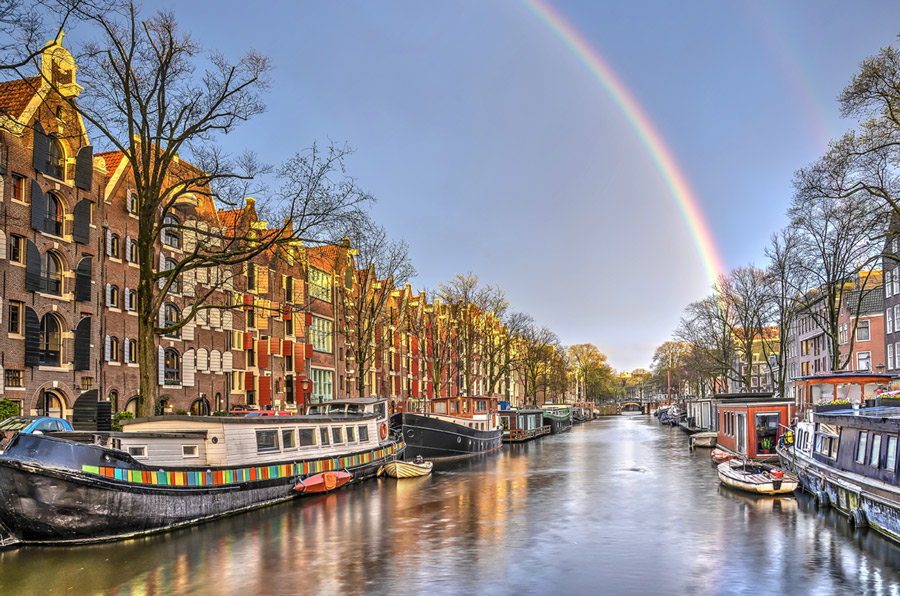
It may sound cliché, but Amsterdam is still on top. It’s not just because of its egalitarian laws or the long history of Pride on its channels. It is because of the naturalness with which diversity is experienced on a daily basis. From cultural spaces to nightclubs, everything is designed to include. In 2025, the city has strengthened anti-discrimination programs and launched public campaigns on trans and non-binary visibility.
2. Madrid: party and activism go hand in hand

Madrid is not only the largest Pride in Europe. It is also a city where a strong, visible and fighting community has been woven. Chueca, its emblematic neighborhood, continues to be the epicenter, but diversity has taken over other corners such as Lavapiés or Malasaña.
3. Barcelona: art, beach and diversity
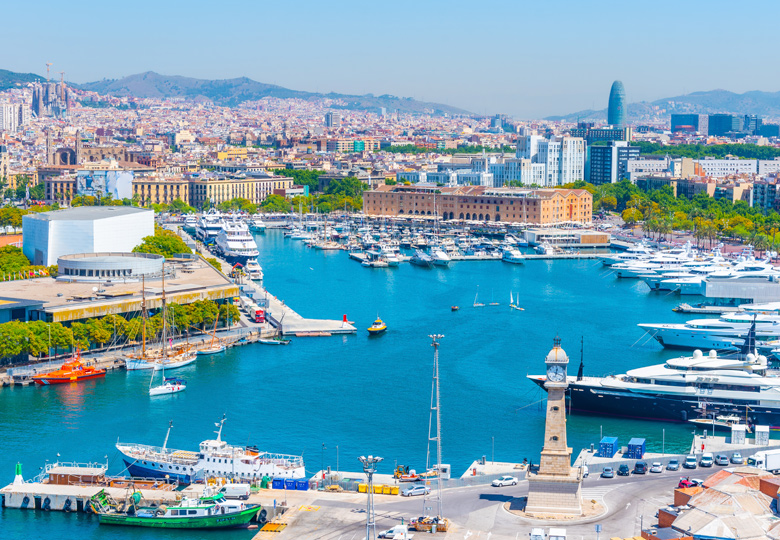
Barcelona combines the charm of the Mediterranean with a vibrant queer identity. The Raval, Eixample and Poble-sec neighborhoods host safe spaces and iconic parties. In 2025, the City Council has implemented an inclusion plan that involves cultural centers, public transportation and primary care in terms of emotional-sexual and gender diversity.
4. Berlin: freedom with history
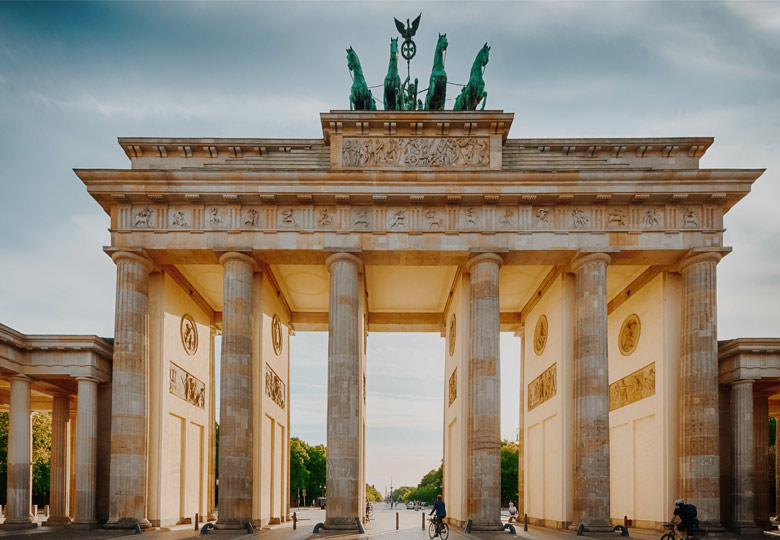
Berlin is many things, and among them, a queer reference. From radical activism to alternative spaces, the city continues to be a hive of proposals. This year, the support network for LGTBIQ+ migrants has grown, something key in an increasingly turbulent global context. And yes, the Berlin night is still legendary.
5. Copenhagen: vanguard in human rights
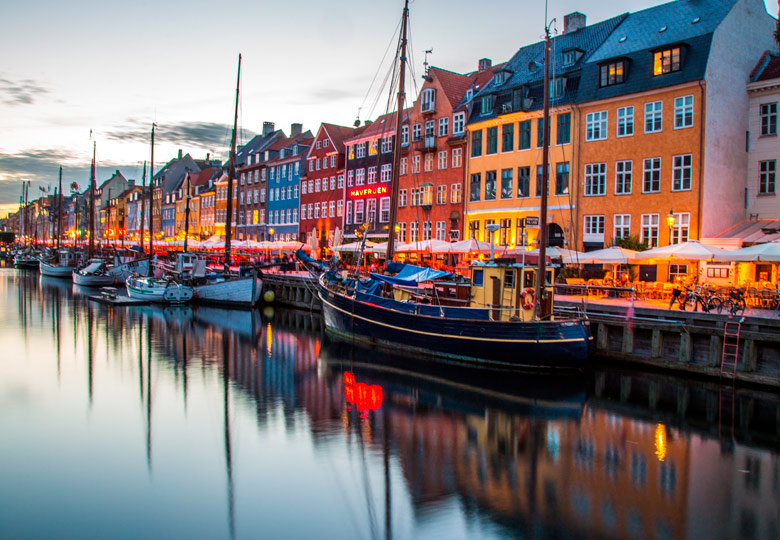
Denmark was a pioneer in legalizing same-sex civil unions, and Copenhagen has continued that legacy. In 2025, it stands out for its inclusive public health policy, with centers specialized in sexual and mental health for trans and non-binary people. In addition, it has become one of the favorite destinations for rainbow families.
6. Lisbon: warmth, sea and openness
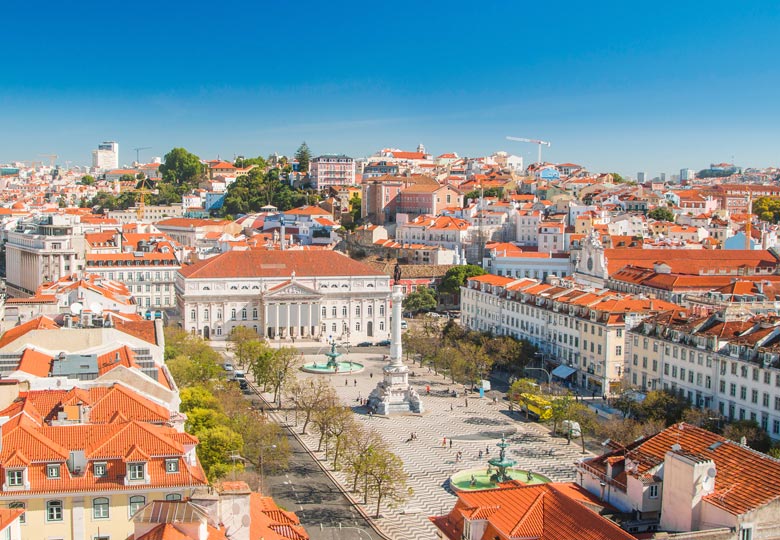

The Portuguese capital has gained points in recent years. Beyond its climate or its culture, it has improved in rights and institutional sensitivity. It now has shelters for young people expelled from their homes because of their orientation or identity. Although there are still challenges – as in any society – Lisbon is increasingly open and diverse.
7. Brussels: small but mighty
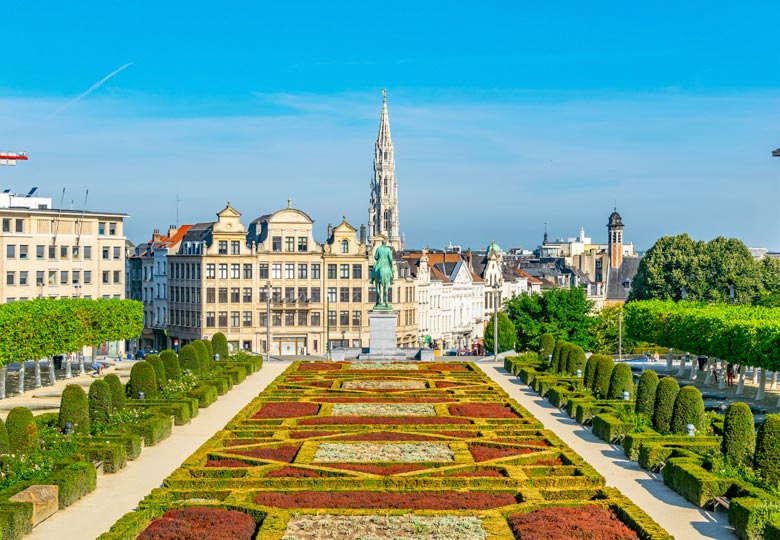
It sometimes goes unnoticed, but Brussels is doing a lot for inclusion. Your local government has invested in training for public officials on gender identity and emotional diversity. In 2025, a pan-European campaign was launched from this city to promote respect in workplaces.
8. Stockholm: Scandinavian inclusion model
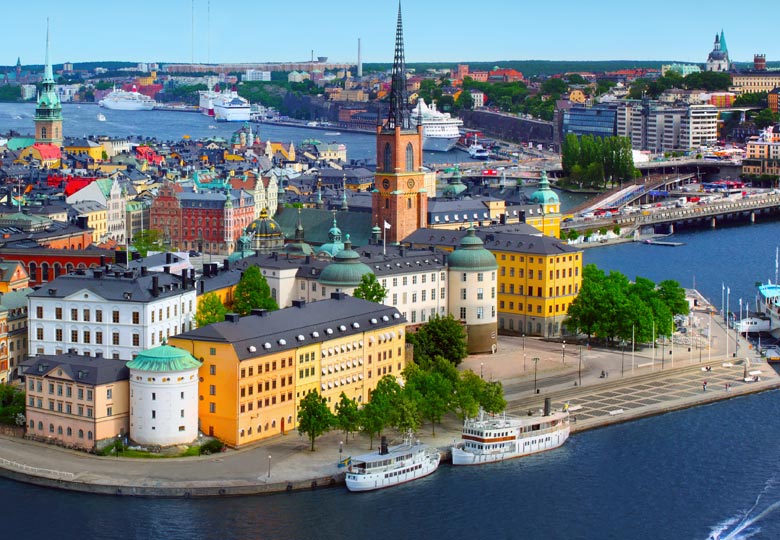
Sweden has long been a benchmark in equality and human rights, and Stockholm in particular has been able to combine modernity, design and openness. It has public policies that ensure protection and representation for the group, especially in the educational and health fields. The city also promotes queer festivals and inclusive cultural spaces throughout the year.
Beyond the tourist postcard
Traveling as part of the LGTBIQ+ group often means thinking twice before booking a ticket. Is it safe? Will there be discrimination? Can I be myself without fear? For this reason, these cities not only stand out for their beauty or their cultural offer, but also for how they welcome. They are places where visibility is not an exception, but part of the urban fabric.
A critical look: is it enough?
Although these cities lead in inclusion, not everything is perfect. Many times, acceptance is experienced superficially, more linked to tourism than to structural changes. What happens outside the center? What happens when racialized identities or disabilities intersect? Is the experience of a trans person as positive as that of a white cis gay? It is important to celebrate, yes, but also to continue demanding.
Tips if you want to travel as an LGTBIQ+ person
- Research local laws and resources to help.
- Look for certified queer-friendly accommodations.
- Connect with local associations: they usually have guides and activities.
- Use apps or forums to share experiences with other travelers.
The most LGTBIQ+ friendly cities in Europe in 2025 are not just destinations; They are spaces where existence does not need to hide. Where diversity is celebrated, it is not tolerated. There is still much to do, but step by step, street by street, we are inhabiting the world with more freedom.