

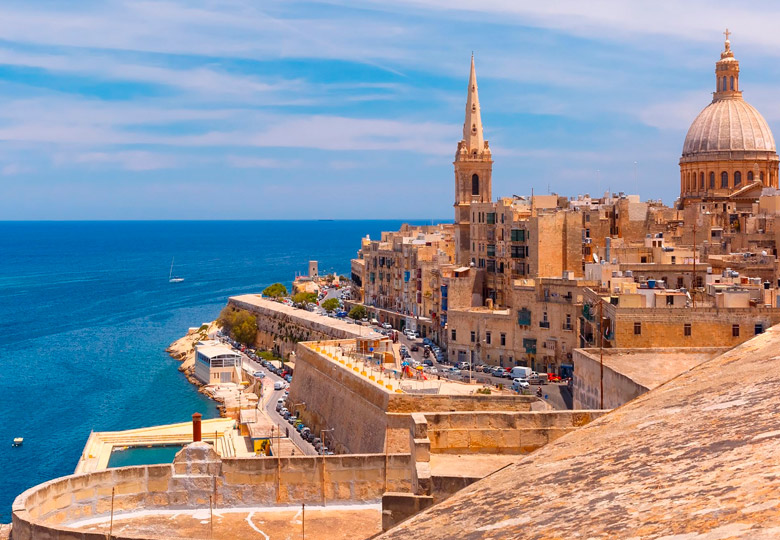
Malta has emerged as a benchmark in Europe in the defense of rights of the LGTBIQ+ community. In recent years, this small Mediterranean archipelago has implemented a series of laws that protect and promote the equality and human rights of all people, regardless of their sexual orientation or gender identity. With the celebration of Pride in September, Malta not only reaffirms its commitment to diversity, but also invites reflection on the situation of LGTBIQ+ rights around the world.
Advances in LGTBIQ+ Rights
Since the legalization of same-sex marriage In 2017, Malta has continued to move towards greater inclusion. The gender identity law, passed in 2015, allows transgender and non-binary people to change their legal gender without the need for surgery. In addition, the country has been recognized for its legislation on adoption and protection against discrimination.
Malta has been considered by some international organizations as one of the safest places for the LGTBIQ+ community in Europe. This is a significant achievement, especially on a continent where there are notable variations in the acceptance and rights of LGTBIQ+ people. However, this progress has not come without challenges.
Malta Pride: An Inclusive and Colorful Event
Celebrated in September, Malta Pride is a vibrant event that attracts thousands of people of various nationalities. The celebration includes parades, concerts and a series of cultural and educational activities that promote respect and acceptance of diversity. In 2023, the pride theme will focus on solidarity and visibility, emphasizing the need to support the most vulnerable LGTBIQ+ communities.
The participation of various organizations, both local and international, strengthens the message of unity and diversity. This event is not only an opportunity to celebrate, but also to raise awareness about the problems faced by the LGTBIQ+ community in other countries where rights are not yet guaranteed.
Reflections on Equality and Diversity
Despite the progress, it is essential to question whether full equality has really been achieved in Malta. Are the laws enough to guarantee a life free of discrimination? The experiences of LGTBIQ+ people can vary significantly, and although legislation is crucial, social acceptance remains a fundamental aspect that cannot be overlooked. In this sense, it is vital to reflect on the role of education in promoting tolerance and respect for all identities.
Persistent Challenges and Critical Perspectives
Despite Malta’s achievements, there are still concerns about the implementation of these laws and social perception towards the LGTBIQ+ community. Some critics argue that legislative progress does not always translate into changes in people’s daily lives. Homophobia and transphobia may still be present in some sectors of society, raising the question: How can institutions and civil society work together to close this gap?
Furthermore, LGTBIQ+ tourism in Malta, although booming, has also generated debates about its impact on local culture. Some residents feel that the commercialization of Pride can distort the original meaning of the event, turning it into a mere tourist attraction. How can you find a balance between celebrating diversity and preserving cultural authenticity?
A Bright Future for Malta and its LGTBIQ+ Community
The celebration of Pride in Malta is a powerful reminder that the fight for LGTBIQ+ rights is an ongoing effort. As the country moves forward in promoting equality, it also faces the responsibility of ensuring that all members of the LGTBIQ+ community feel safe and valued.
Malta positions itself as a role model, not only for its progressive laws, but also for its ability to create a space where everyone can be authentically themselves. As we approach September Pride, it’s an opportunity to reflect on how each of us can contribute to a more just and inclusive world.
In conclusion, Malta has made enormous progress in promoting LGTBIQ+ rights, but there will always be room for improvement and dialogue. As we celebrate Pride, we must remember that true equality goes beyond legislation; It is about building a society in which all identities are recognized, valued and celebrated. What role will you play in this journey towards inclusion and acceptance?