
Popular traditions have been, since time immemorial, a reflection of the cultural identity of a community. Festivities such as carnivals, pilgrimages or fairs not only celebrate collective heritage, but also offer a space for the reinterpretation and resignification of these customs. In recent decades, the LGTBIQ+ community has taken the initiative to reappropriate these traditions, giving them new meaning from a queer perspective. In this article, we will explore how these reinterpretations are changing the cultural narrative and expanding the spectrum of diversity in our celebrations.
The Resignification of Traditions: A Space of Inclusion
Popular festivals are usually loaded with symbolism and meaning. However, when the queer community gets involved, these traditions are transformed. Carnival, for example, has historically been a space where gender and sexuality norms are blurred. During this holiday, people dress up, adopt different roles, and, in many cases, feel free to express their identity without fear of judgment. This liberation can be seen as a form of resistance to the heteronormative standards that have dominated the cultural narrative.
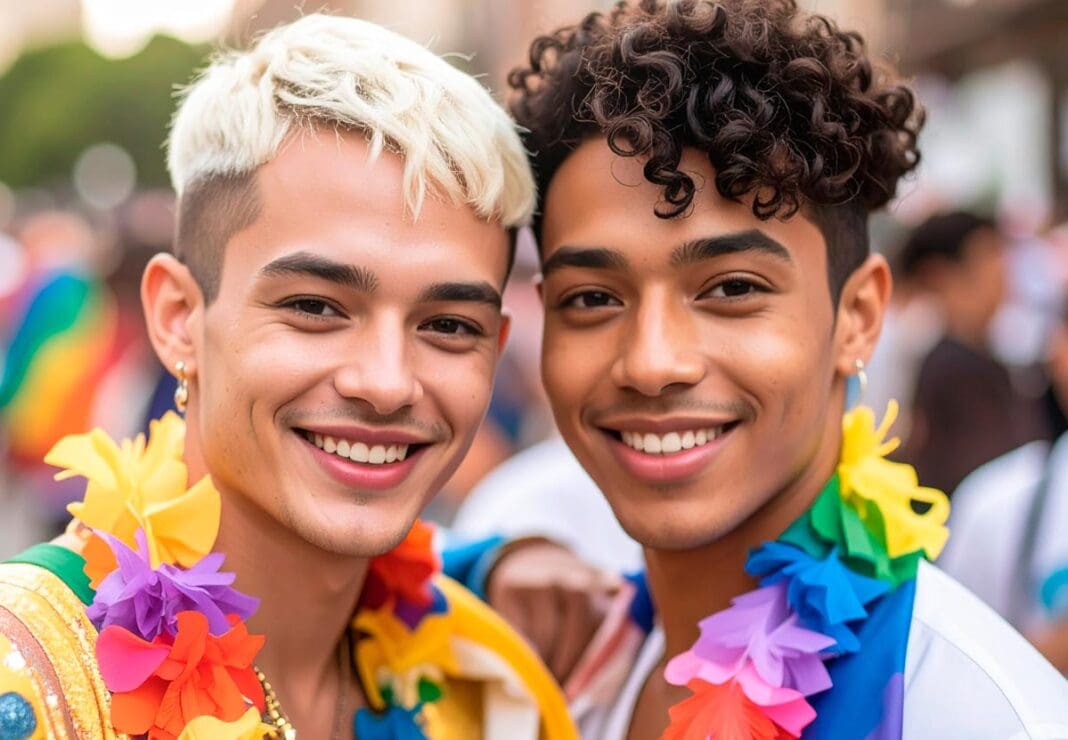
In cities like Cádiz or Las Palmas, the carnival has been appropriated by the queer community, which has used these festivities to make their struggle visible. The parades are filled with colors, feathers and glitter, where sexual diversity is celebrated through music and dance, creating an atmosphere of acceptance and joy. This festive space allows queer people to reconnect with their identity and community, while inviting others to join their celebration.
Fairs and Pilgrims: Spaces for Coexistence
Fairs and pilgrimages, although often associated with more conservative traditions, have also been redefined. In many towns in Spain, these celebrations have begun to include activities and spaces for the LGTBIQ+ community. For example, in the El Rocío Pilgrimage, some queer groups have organized parallel events that celebrate sexual diversity. This not only contributes to the visibility of the community, but also promotes an environment of coexistence and respect.
The active participation of queer people in these celebrations challenges the idea that traditions are static. Instead, they demonstrate that they are dynamic and can evolve over time, incorporating new voices and experiences. Pilgrimages, which traditionally might have excluded certain groups, now become spaces of inclusion, where all identities are welcome.
Ritualizing Diversity
Rituals have also been a fertile field for queer resignification. Ceremonies that were previously exclusive to heterosexual couples have begun to open to same-sex unions. In this sense, some communities have created alternative rituals that celebrate love and diversity in non-traditional ways. These new practices not only allow queer couples to live their experiences authentically, but also challenge the notion that love can only be expressed in a “normal” way.
Through the creation of inclusive rituals, the LGTBIQ+ community is expanding the definition of family and love, inviting society to reflect on what it means to be truly united with another person.
Critical Perspectives: The Duality of Inclusion
However, it is important to note that this resignification is not without criticism. Some voices within the LGTBIQ+ community argue that the commercialization and appropriation of these traditions can dilute their original meaning. To what extent have queer celebrations become mere marketing strategies? Concern about traditions being treated as consumable products raises a dilemma about authenticity and respect for cultural roots. The tension between inclusion and commercialization is a topic that deserves reflection and debate.
The Cultural Narrative in Transformation
The incorporation of queer perspectives into popular traditions is changing the cultural narrative. Increasingly, we find stories that include people of all sexual identities and orientations, enriching the collective story. This process not only benefits the LGTBIQ+ community, but also offers society as a whole the opportunity to reexamine its own beliefs and values.
The resignification of popular traditions invites a dialogue about diversity and inclusion. It challenges us to consider how our celebrations can be more representative of the plurality of the human experience. Furthermore, these transformations are a reminder that culture is a battlefield where struggles for recognition and acceptance are fought.
In a world that continues to face divisions, the queer community’s resignification of popular traditions represents a step towards inclusion and diversity. Through carnivals, fairs and reimagined rituals, these celebrations not only celebrate queer identity, but also invite reflection on how we can build a more inclusive future for all. Are we ready to accept the richness that diversity can bring to our traditions?