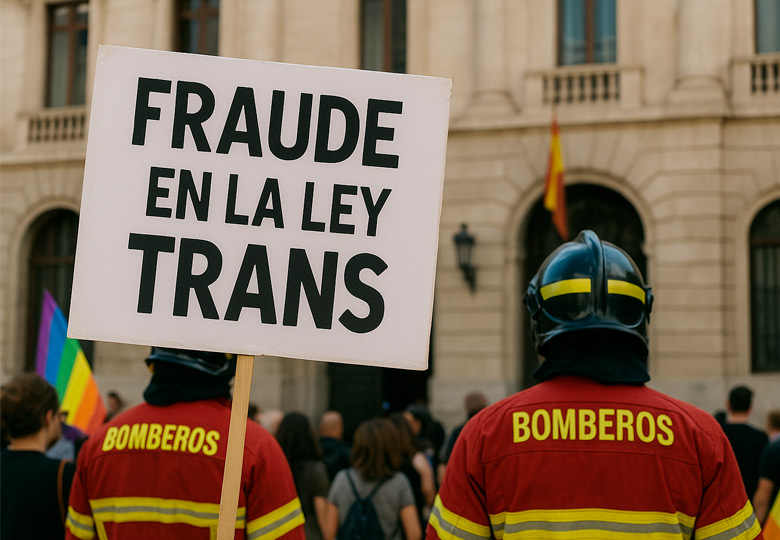


The VII General Agreement of the Construction Sector includes, for the first time, specific measures to protect the LGTBIQ+ group in the work environment.
The construction industry, traditionally perceived as one of the most conservative sectors, has made history. The National Construction Confederation (CNC), together with the unions CCOO del Hábitat and UGT FICA, has agreed to incorporate into the VII General Agreement of the sector a package of measures aimed at guaranteeing real equality and stopping discrimination against LGTBIQ+ people.
This agreement, already published in the Official State Gazette (BOE), is not limited to good intentions. This is a concrete and binding advance that forces companies with more than 50 workers to apply a new protocol against harassment and violence due to sexual orientation or gender identity. Smaller businesses can also join voluntarily, sending a clear message of inclusion.
What does this new protocol imply?
The agreement includes two annexes that represent a profound change in the work culture of the sector:
-
A specific protocol for action in situations of harassment or violence towards LGTBIQ+ people.
-
A battery of measures to promote effective equality in employment, promotion, training and internal communication.
In addition, the disciplinary regime is reinforced with the inclusion of new infractions related to discriminatory acts. This will make it possible to sanction intolerant behaviors that previously went unpunished or without clear regulation.
Beyond templates
One of the most innovative aspects of the agreement is its scope. The measures not only protect those who are already part of the company. They also apply to candidates, ETT staff, suppliers, clients and visitors. A commitment to safe work environments, where all interaction is based on respect.
The use of inclusive language, awareness-raising and mandatory diversity training are some of the keys to this change. It is not just about preventing harassment, but about building a work culture where each person can show themselves as they are, without fear.
A real change or a symbolic gesture?
Although the agreement is undoubtedly progress, we cannot ignore certain issues. How will actual compliance be guaranteed in dispersed or subcontracted works? Will there be enough resources to train middle managers and technical staff? Furthermore, the fact that companies with fewer than 50 workers are outside the mandatory framework could leave many people in more informal work environments unprotected. It also remains to be seen if the implementation of the protocol will be homogeneous throughout the territory or will depend on the individual commitment of each company.
An opportunity to lead by example
The agreement places the sector in a pioneering position in terms of equality. It may seem surprising, but this industry – which represents almost 10% of Spanish GDP and employs more than 1.3 million people – is now in a position to lead by example.
It is true that there is still some way to go. But it is also true that these types of agreements, when applied with political will and business commitment, can transform not only work spaces, but society as a whole.