

The Hungarian capital hosts one of the most significant LGTBIQ+ marches in Europe… despite the official ban
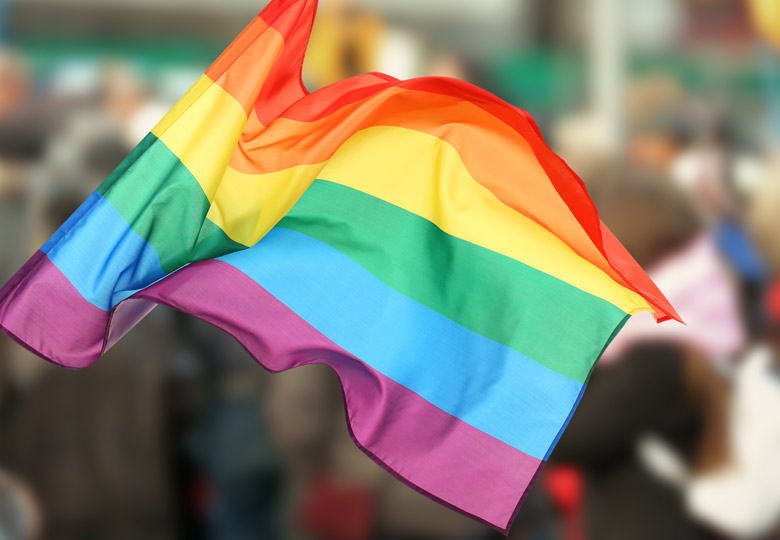
Despite the veto imposed by the police and legal threats from the ultra-conservative Government of Viktor Orbán, Budapest is preparing this June 28 to celebrate LGTBIQ+ Pride. It won’t be just any demonstration. This year, the protest march celebrates 30 editions in a climate of growing repression towards sexual and gender diversity in Hungary.
The controversy began on June 19, when the authorities officially banned the event, relying on a legislative reform that vetoes any public act that “promotes or exhibits” homosexuality or sex change to minors. However, Budapest Mayor Gergely Karácsony has challenged the measure and offered institutional support for the march, declaring it part of a municipal celebration.
“Pride does not need authorization, it is a city event,” said Karácsony, who has recovered the old Freedom Festival (which commemorates the departure of Soviet troops in 1989) as a symbolic framework for this year’s parade.
A celebration that is also an act of resistance
The civil organization Budapest Pride, in charge of the event for three decades, hopes to bring together around 35,000 people. If confirmed, it will be the largest participation in the history of Pride in Hungary. Since its creation, the march has evolved in response to the country’s political ups and downs, but in recent years, pressure from Orbán’s Executive has intensified.
Among the figures who will join the demonstration are ministers from different European countries, including three members of the Spanish Government: Yolanda Díaz, Ana Redondo and Ernest Urtasun. Former mayor Ada Colau, MEPs, NGO representatives and activists from all over Europe will also travel to Budapest.
What does Europe say about this?
The president of the European Commission, Ursula von der Leyen, has been clear in her message:
“Marching for your rights is a fundamental freedom. For the LGTBIQ+ community in Hungary and the world, I will always be your ally.”
His positioning has generated an angry response from Orbán, who accuses Brussels of interference and defends that internal security is the exclusive responsibility of the Hungarian State. According to its Minister of Justice, organizing or participating in this “prohibited meeting” could lead to up to a year in prison. The police have warned that they will use facial recognition to identify attendees.
Despite the threats, Orbán himself has assured from Brussels that violence will not be resorted to:
“Hungary is a civilized country. We do not harm each other.”
An enclosed march is not Pride
The Hungarian Government even proposed that the event be moved to a closed location – such as a stadium or racecourse – to avoid alleged exposure to minors. The proposal was rejected by both the City Council and the organizers, who insist that the real debate is not the place, but the right to exist in public spaces without censorship or stigmas.
The government spokesperson, Zoltán Kovacs, has accused the movement of seeking “confrontation”, while groups such as Podemos and Sumar openly denounce the repressive strategy of the Orbán Government and its discriminatory legal framework.
Where does protection begin and where does censorship end?
The regulations invoked by the authorities to justify the ban are based on a legislative package approved in 2021 that prevents the “promotion” of homosexuality or sex change to minors under 18 years of age. Its defenders say that it seeks to “protect children,” but many criticize that in reality it is a gag law against diversity. Protect or silence? Can the existence of LGTBIQ+ people really be hidden?
Critical insights: is Europe doing enough?
Although the European Commission has shown its support, and several leaders have traveled to Budapest, the European Union continues without applying effective sanctions against the authoritarian drift of the Hungarian government. Control mechanisms have proven to be slow and limited. Is diplomatic pressure of any use if it is not accompanied by concrete actions? And what happens to citizens who cannot travel to Brussels or go out to demonstrate? Who protects your voice?