Barcelona has always been a beacon of freedom for the LGTBIQ+ community. From the first Pride demonstration in Spain until today, the city has been able to build a legacy of struggle, visibility and celebration that transcends borders. Now, it aspires to become the headquarters of WorldPride, the largest global event on diversity and human rights.
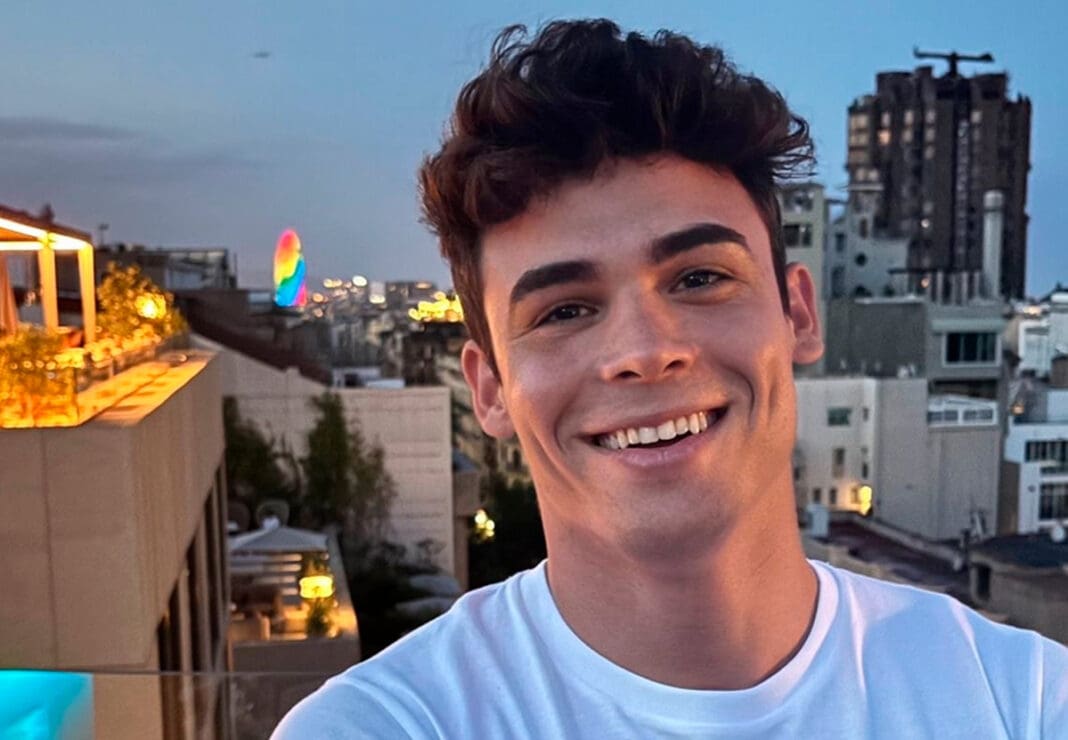
In this exclusive interview for Revista Rainbow, Javier Rodríguez Núñez, Commissioner of Childhood, Adolescence, Youth and LGTBI Policies of the City Council de Barcelona, tells us about the axes of the candidacy, the role of social entities, the sustainability of the event and the importance of pride continuing to be a political and cultural act.
A dialogue that reminds us that WorldPride is not just a party, but a collective statement against hatred and a firm commitment to an open, diverse and proud city.
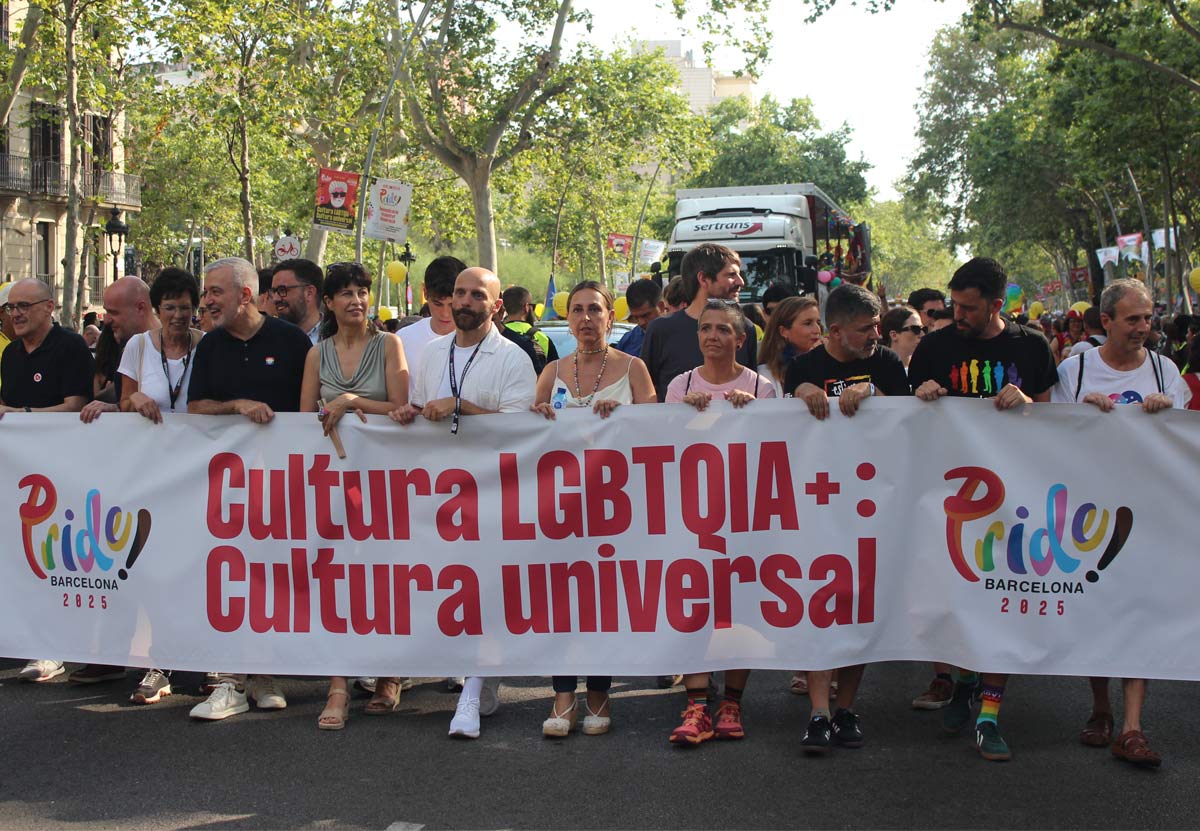
Barcelona is a city with a strong history of LGTBIQ+ mobilization, but also with important challenges yet to be resolved. How is the city preparing to position itself as a candidate for World Pride? What are the main axes that you are developing from the City Council?
Barcelona has always been, even during the Franco regime, a meeting point for the LGTBI community. Multiple figures of the transition already recognized that in Barcelona there was a calmer atmosphere and one could enjoy, with nuances, a little more freedom. It is no coincidence that the first Pride demonstration took place in our city. We have picked up the baton of that fight to build the open and proud Barcelona of today.
Looking ahead to the candidacy, Barcelona City Council is providing financial support to the Pride Barcelona team, and generating support among civil society, the private sector and the different administrations. We believe that all these ingredients reinforce the strength of the proposal and guarantee that WorldPride is an event with a tangible legacy in our city.
It is a clear message to the Spanish, European and global far-right: LGTBI people exist, we celebrate our diversity and demand equality.
World Pride is not just a great party: it is an opportunity to make visible the struggles and demands of the collective on a global scale. To what extent does Barcelona’s candidacy focus on human rights, memory and intersectionalities?
Today, Spanish cities constitute a scene of freedom that is not guaranteed throughout the world. Not even in the rural world. An increasingly threatened stronghold, which should be protected and promoted. And Barcelona wants to value this circumstance and offer the world a space in which we can all raise our voices.
Along these lines, the candidacy contemplates a human rights conference that will focus on the discrimination that affects the LGTBI community, and the trajectory that has been followed on a global scale.
The candidacy for World Pride needs, beyond institutions, a strong involvement of the fabric. How are you working with the collective’s entities in the city? What role do associations have in the project?
The candidacy is promoted by the Pride Barcelona team, which in turn has a driving group made up of social entities. These entities have participated in the preparation of the candidacy report and in related events. The same with the rest of the state’s prides. The social nature of our Pride is another of the axes of the candidacy, which adds value to the protest aspect of pride.
We aspire for the collective’s demands to take center stage and for our pride to become a city event.
LGTBIQ+ tourism is a powerful tool, but it can also generate tensions if it is not managed with due diligence. How is the social and economic sustainability of an event of this magnitude being addressed?
At Barcelona City Council we have recognized that we have reached a peak in tourist absorption. That is why Mayor Collboni has taken containment measures, to reduce its impact in global terms and not continue to grow without measure. Consequently, we are committed to working on the type of tourist who visits us. For this reason, we believe that a visitor with a purpose, who places us on the map of human rights and who comes to Barcelona because he is a speaker of freedom, is part of what we are looking for.
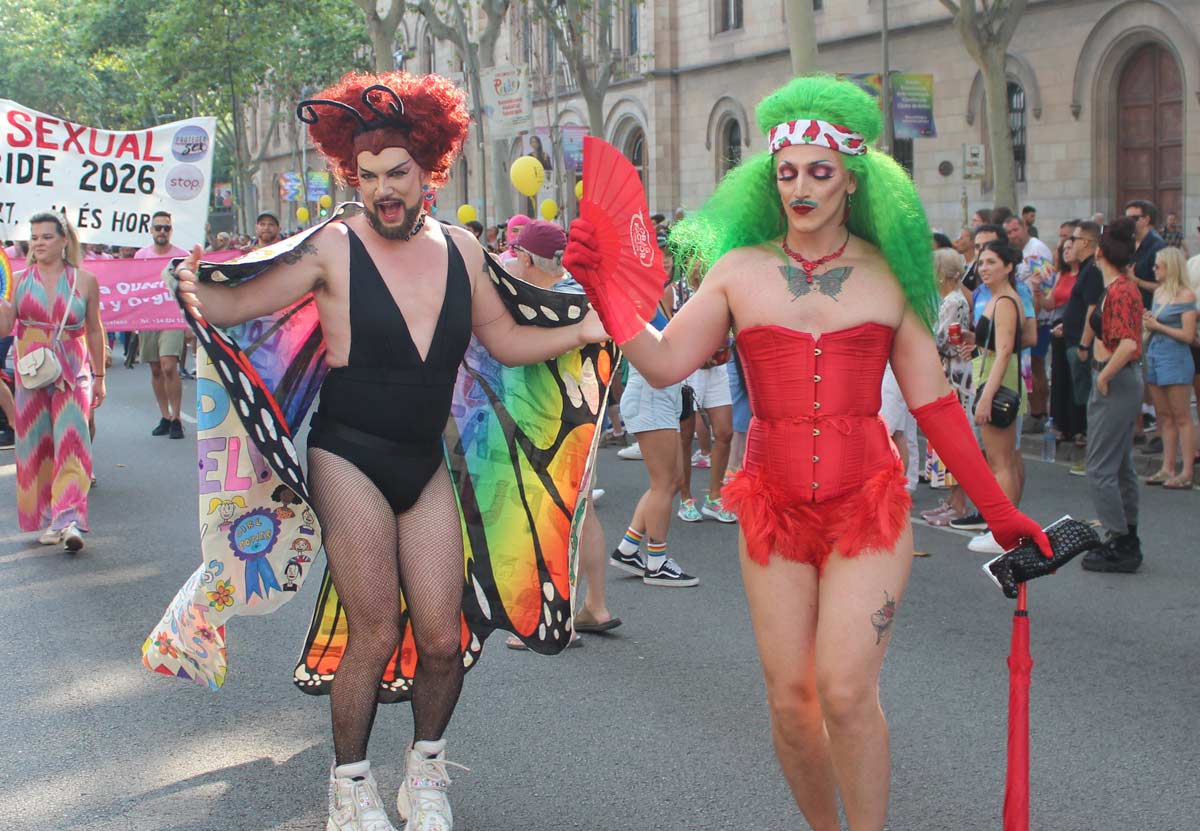
In recent years we have seen an increase in hate speech and attacks on members of the group. Do you think that an event like World Pride can be a political and symbolic response to these setbacks?
WorldPride is undoubtedly an event in which the demand for equality is essential, something that matches our efforts at the municipal level. We are working on a specific pioneering equal treatment ordinance, so that every citizen feels welcome on public roads or when accessing public services. These types of gestures are conscious decisions about the role we play as a city, and that is why we are committed to hosting a WorldPride. Because today more than ever it would be a clear political gesture in the face of reactionary drift.
The cities that have hosted World Pride have had very different impacts: from cultural momentum to legislative changes. What legacy do you hope this event will leave if it is finally held in Barcelona?
We aspire for the collective’s demands to take center stage and for our pride to become a city event, in which all citizens, regardless of their condition, participate and make the demand their own.
We want WorldPride in Barcelona to leave a profound impact on the cultural sphere of the city, which represents a leap in scale.
The diversity within the LGTBIQ+ collective is enormous, but not all voices always have the same voice. How do you guarantee that the candidacy also represents trans, migrant, racialized people or people with functional diversity?
When configuring the proposal, we have worked with entities that reflect the diversity of our group, and if Barcelona is the chosen city, that diversity will play a central role.
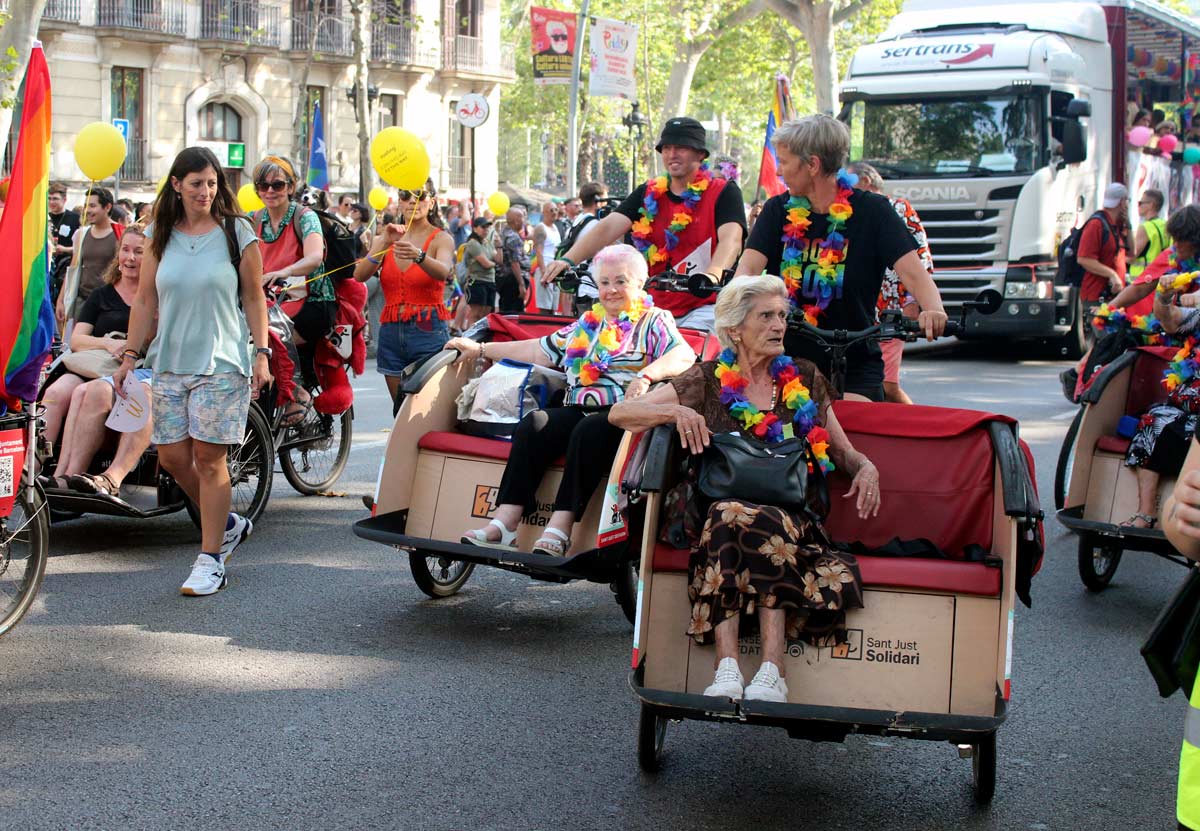
In the case of people with disabilities, organizing an event of these characteristics also contributes to improving the accessibility of the event at all levels, since initiatives from all the prides in the world are imported to guarantee an inclusive event.
In the current political context, with an increasingly present far-right, many see World Pride as a trench of resistance. Is this candidacy also a way to protect rights and advance inclusive public policies?
It is a clear message to the Spanish, European and global far-right: LGTBI people exist, we celebrate our diversity and demand equality.
Last but not least: you cannot talk about pride without talking about celebration, desire and what role will art, music and queer creation have in this possible edition of World Pride in Barcelona?
We want Barcelona WorldPride to leave a profound impact on the city’s cultural sphere, representing a leap in scale. The history of the collective in Barcelona would not be understood without the arts, nor vice versa. And that is why we will work so that all City Council departments, including culture, take ownership of this WorldPride and include initiatives that generate legacy.