


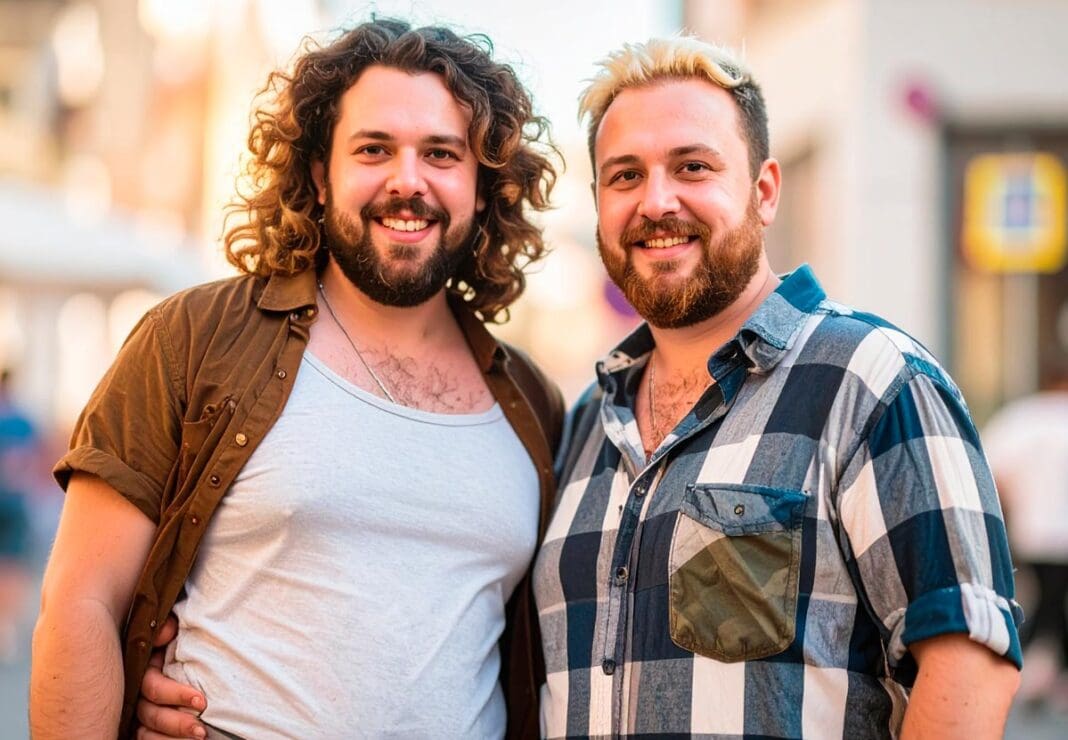
The intersection between “fat” and queer activism is fertile ground for reflection on the multiple oppressions faced by certain communities. In a world where diversity should be celebrated, fatphobia is still present, affecting both people with diverse bodies and those who identify as part of the LGTBIQ+ community.
Fatphobia: a social problem
Fatphobia manifests itself in various ways: from derogatory comments to social exclusion and discrimination in work and health environments. It is a phenomenon that is fueled by cultural stigmas and that, unfortunately, is often normalized in our society. This form of oppression not only targets overweight people, but affects a wide range of identities, including those that challenge gender and sexuality norms.
Diverse bodies in queer activism
Queer activism has historically fought for the acceptance of diversity in all its forms. However, many times, this movement has left aside the struggles of people with non-normative bodies. Why is it so difficult to integrate the fight against fatphobia into the LGTBIQ+ agenda? This question is crucial to understanding the complexity of the intersections between body, identity, and acceptance.
People with diverse bodies often face a double burden: discrimination based on their weight and marginalization within the queer community. This can lead to a feeling of isolation and the internalization of fatphobia, making the fight for acceptance and inclusion even more difficult.
Intersectionality: crossing borders
To understand “fat” and queer activism, it is essential to consider the concept of intersectionality. This term, coined by scholar Kimberlé Crenshaw, describes how different forms of oppression and discrimination intersect and affect people in unique ways. The experiences of a fat and queer person are not simply the sum of their identities, but create a unique context of challenges and struggles.
For example, a fat woman who identifies as lesbian may face discrimination in spaces that are considered safe for queer women, where the beauty ideal often conforms to very limited standards. Likewise, a fat man who identifies as gay may experience rejection both in his social circles and on dating apps, where physical appearance is often a determining factor.
Visibility as a tool for change
Making fatphobia visible within queer activism is essential to creating an inclusive and supportive space. This involves not only talking about fatphobia, but also recognizing the ways in which it manifests and perpetuates itself. It is crucial that the voices of fat people are heard and valued in the fight for LGTBIQ+ rights.
Creating spaces for dialogue and support can be a first step towards inclusion. This may include workshops, discussion groups and awareness campaigns that address fatphobia and its consequences. It is also important that social media is used as platforms to share stories and experiences that challenge the stigmas associated with fat bodies.
It is evident that there is a long way to go in the fight against fatphobia within and outside the LGTBIQ+ community. As society evolves, so do expectations about bodies and identities. However, are we really ready to accept all forms of diversity? Inclusion should not just be an abstract concept, but a daily practice that embraces the complexity of our experiences.
As we continue to explore these intersections, it is critical to question the power structures that perpetuate fatphobia. The fight for acceptance of all bodies is a fight for social justice. Only through solidarity and visibility can we create a world where all identities are valued and respected.
However, it is important to question whether fat and queer activism has really managed to effectively make fatphobia visible. Some critics argue that certain narratives are often prioritized over others, which can lead to divisions within the movement itself. Are we really listening to all voices? Or are we perpetuating hierarchies within our struggles? These questions are essential to move towards more inclusive and effective activism.