


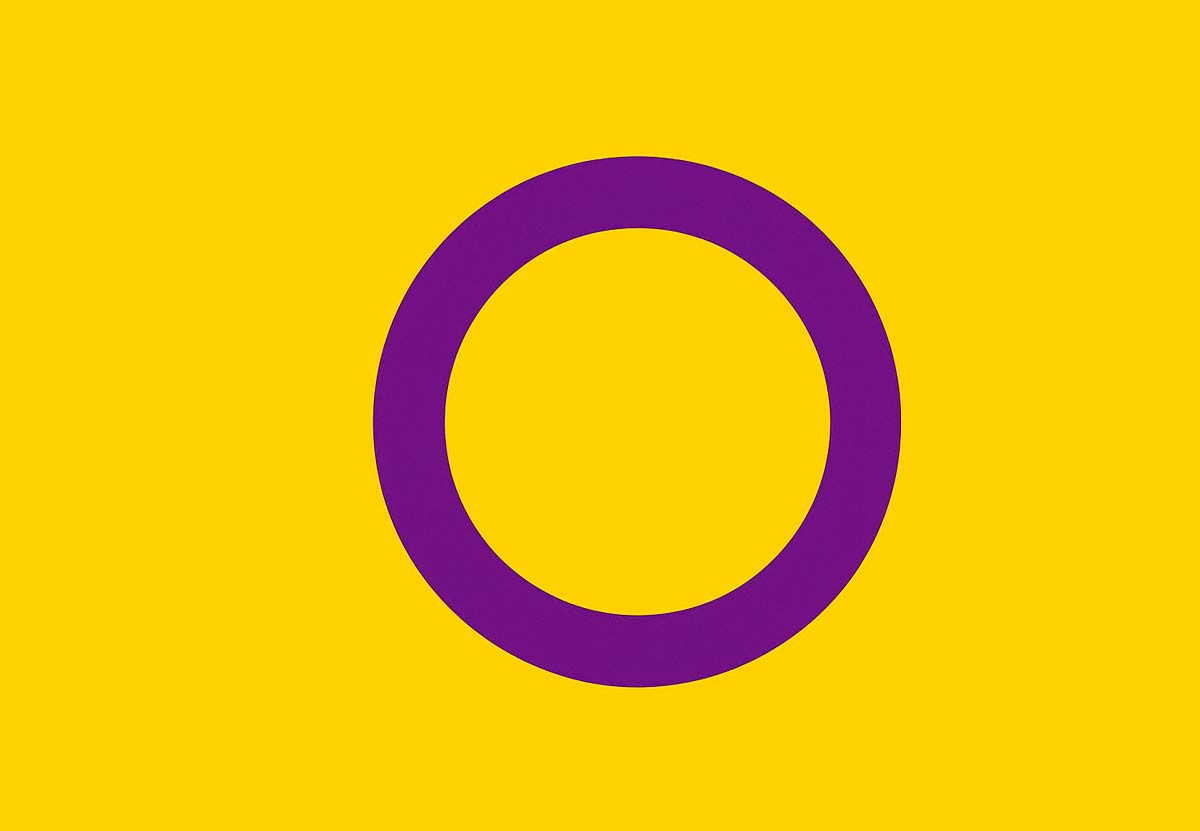
Spain, a country that often prides itself on its advances in social rights, faces a harsh reality when we talk about intersex people. The most recent data show us a worrying image: we are the second country in the European Union with the most attacks against intersex people in the last five years. A figure that directly questions us: are we really protecting all of our citizens?
According to the report “Being Intersex in the EU (2025)” by the Fundamental Rights Agency of the European Union (FRA), the LGTBI+ State Federation has shown that 4 out of every 10 intersex people in Spain have suffered physical or sexual violence in this period. These figures are not mere numbers; They represent stories of pain, fear and violation of rights that we cannot ignore.
The Shadow of Aggression and Lack of Reporting
The most alarming thing is that, despite the magnitude of these attacks, Spain ranks sixth in Europe in terms of the low rate of complaints to the police. 73% of cases never reach the authorities. Why this silence? What barriers prevent intersex people from seeking justice? It is a question that forces us to reflect on trust in our institutions and the effectiveness of protection mechanisms.
In addition to physical and sexual assaults, research reveals other forms of systemic violence:
- Harassment: 78% of intersex people in Spain have suffered harassment in the last 5 years.
- Offensive or threatening comments: 73% have experienced this type of situation.
- Reconversion practices: 33% have been subjected to these practices, identified as a violation of human rights.
- And the most heartbreaking consequence: in the last year, 2 in 10 intersex people have had suicidal thoughts. This is an urgent wake-up call about the devastating impact of discrimination and violence on the mental health of the community
LGTBI+. A Call to Action on Intersex Visibility Day
Within the framework of Intersex Visibility Day, which is celebrated every October 26, the president of the LGTBI+ State Federation, Paula Iglesias, has raised her voice to demand the eradication of this systemic violence. Its message is clear: it is imperative to put an end to a system that pathologizes, silences and makes intersex people invisible, exposing them to all types of violence.
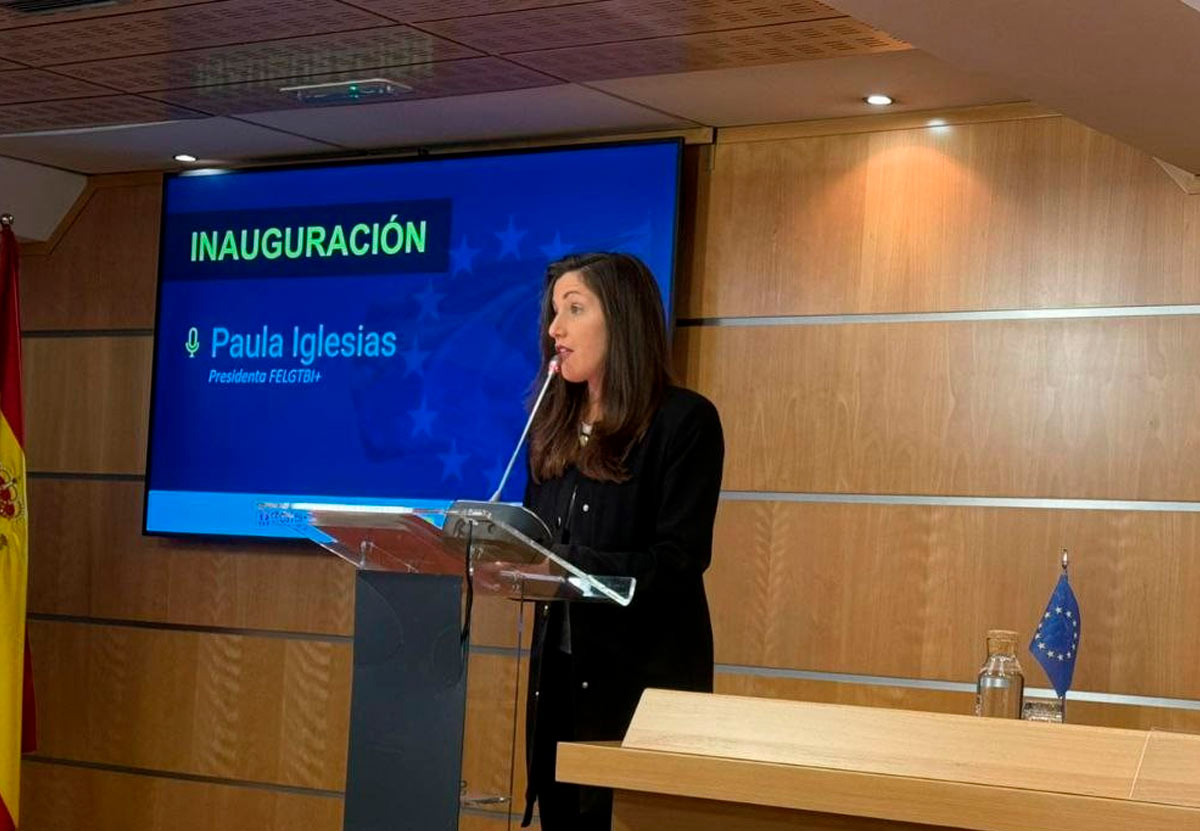
Iglesias has urged the Government of Spain to adopt the Recommendations for Intersex Equality issued by the EU, so that our country is not left behind in the protection of these fundamental rights. Likewise, it has demanded compliance with the LGTBI+ Law, which explicitly prohibits hormonal treatments and indiscriminate and unnecessary cosmetic surgeries in intersex minors.
“These are practices that have been identified as a violation of human rights, but that continue to be carried out in our country, which boasts of being a leader in social rights,” Iglesias denounces. The ban on these surgeries, supported by both Spanish legislation and European recommendations, requires urgent action. The president emphasizes the need to eradicate them and to quickly develop a health care protocol for intersex people that guarantees respectful, informed and prejudice-free treatment.
Recognize, Make Visible, Respect
“Being intersex continues to be a reason for violence and violation of rights in our country. The data we show are not just figures. They are lives and identities silenced by a system that still denies their existence,” defends Paula Iglesias.
Intersex realities must be recognized as part of the bodily diversity that enriches our society. It is essential to make visible, naturalize and respect these identities. What can we do, as a society, to ensure that every intersex person can live free of violence and with the dignity they deserve? The answer lies in education, empathy and collective commitment to build a more inclusive and fair future for all.