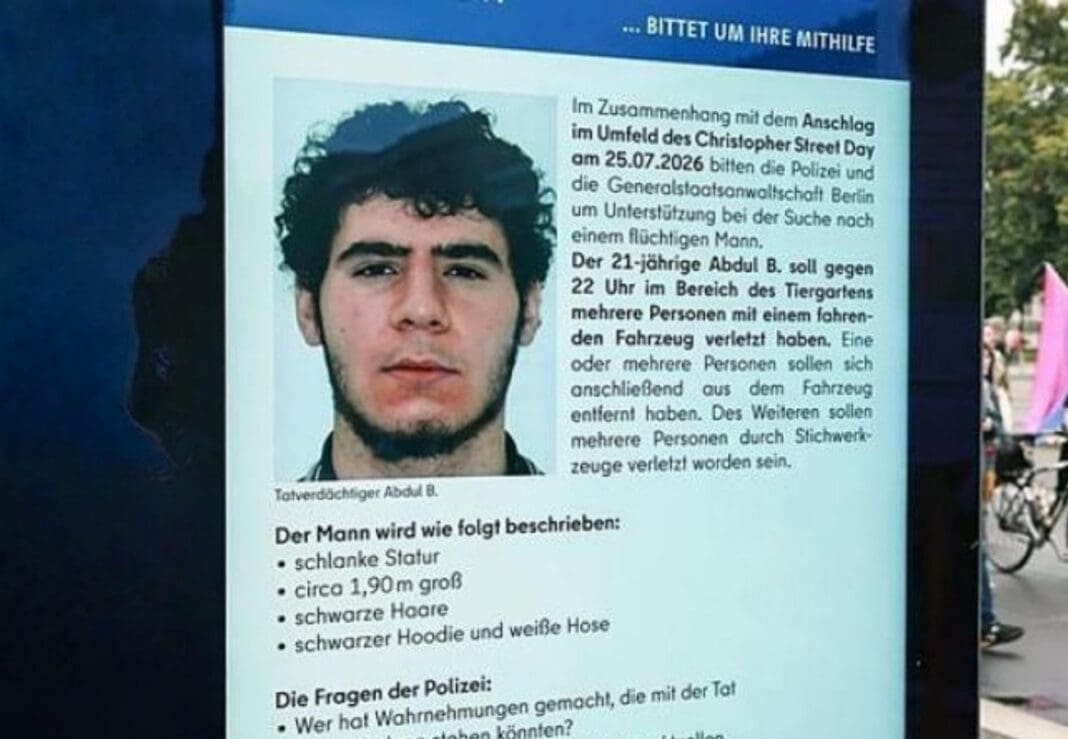


The terrorist attack that shook the Pride of Berlin has changed the climate of major LGTBIQ+ events in Europe. Just days before the celebration of WorldPride 2026, the authorities in Amsterdam announced an enhancement of security measures to protect the hundreds of thousands of people who will participate in one of the most important diversity gatherings in the world.
The mayor of Amsterdam, Femke Halsema, confirmed that the operation will incorporate additional measures, both visible and discreet, coordinated between the City Council, the Police, and the Dutch Prosecutor’s Office. Although specific details were not provided for security reasons, the message was clear: the Berlin attack forces an increase in vigilance without altering the spirit of a celebration based on freedom and human rights.
Much more than a parade
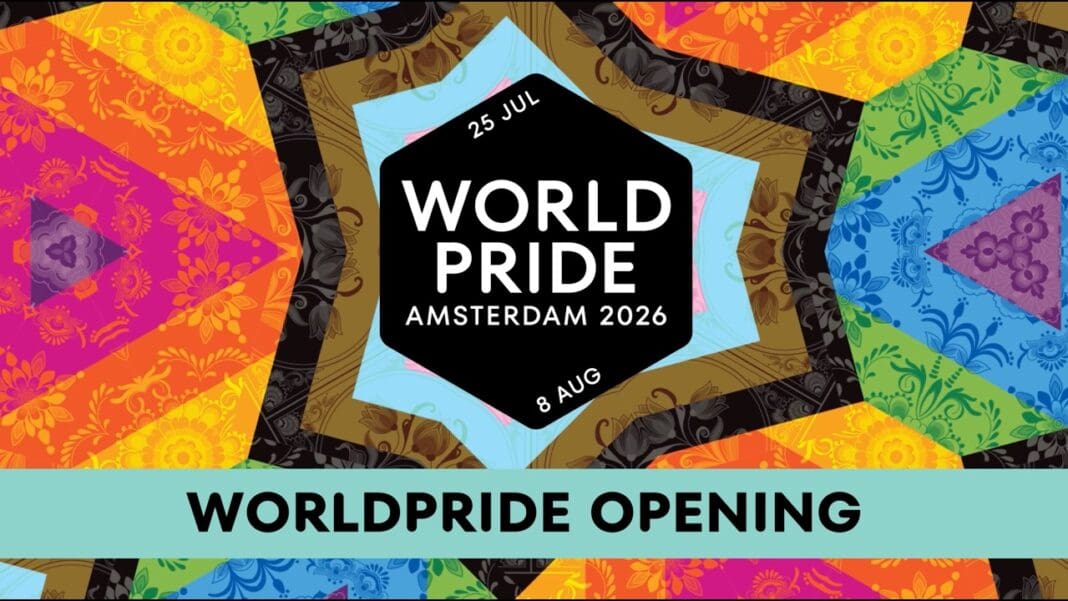
WorldPride is not just another Pride. Organized under the license of InterPride, it brings together activists, organizations, institutions, and visitors from around the world every few years to highlight sexual and gender diversity, promote the defense of human rights, and strengthen international cooperation among LGTBIQ+ movements.
The 2026 edition also has a strong symbolic value. Amsterdam commemorates 25 years of same-sex marriage in the Netherlands — the first country in the world to recognize it — and has prepared two weeks of activities that include international conferences on human rights, cultural events, concerts, exhibitions, and the emblematic Canal Parade, one of the most anticipated moments on the WorldPride calendar.
Security without renouncing visibility
After the attack in Berlin, the challenge for the Dutch authorities is to reinforce protection without transforming WorldPride into an event marked by fear.
The participating organizations supported the increase in security measures but insisted that the response to terrorism cannot be to reduce the presence of the community in public spaces. “Making ourselves invisible is not the answer,” said representatives of entities that will participate in the traditional Canal Parade.
In parallel, thousands of people participated in a tribute to the victims of the Berlin attack at the Homomonument in Amsterdam, one of the international symbols of memory and the fight for LGTBIQ+ rights. The gesture sought to express solidarity with the victims and reaffirm the European commitment to an open and diverse society.
A message for the world
The reinforcement of security comes in a context of growing concern over hate speech and threats against the LGTBIQ+ community, but it also sends a political message: WorldPride will go ahead.
Because, beyond the celebrations, this international gathering represents a global platform to defend equality, denounce human rights violations, and remind that diversity is part of democratic values.
At a time when Europe is once again facing terrorism directed against spaces of freedom, Amsterdam bets on a response that combines prevention, institutional cooperation, and an unequivocal commitment to visibility. The message is clear: reinforcing security does not mean renouncing Pride, but protecting the right of all people to live it freely.