


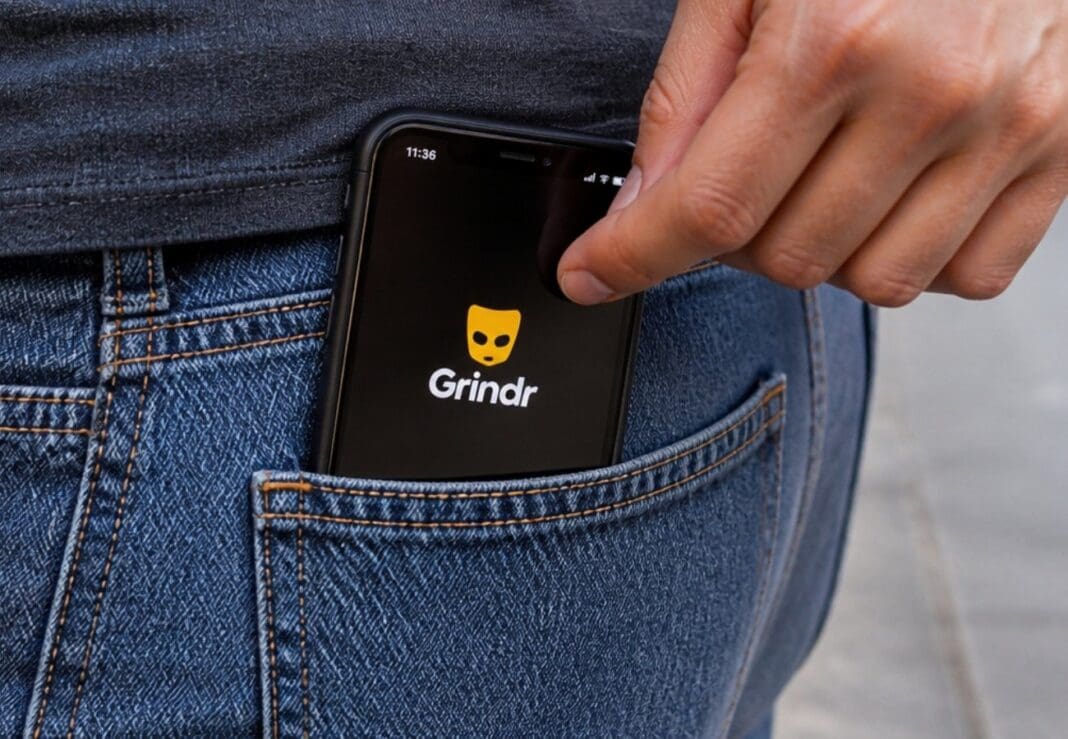
Every week I receive a similar case: someone meets another person on a dating app, shares an intimate image or video, and overnight that trust turns into a weapon against them. I have been working as a computer expert in digital violence for years, and if there is a crime that I see growing without the public conversation keeping pace, it is sextortion. And I believe that within our community there is a component that is rarely mentioned: it is not just money that these people threaten to take from you. It is your closet.
How it operates: a repeating pattern
Sextortion usually does not start as a threat. It starts as a normal date. The pattern is well documented: the aggressor contacts —often with a fake profile— builds trust over days or weeks, obtains intimate content, and only then comes the threat to spread it, followed by a financial demand, more sexual content, or both. Sometimes it is not even necessary for real content to exist: with just one image of the victim’s face, it is possible to create montages that simulate sexual scenes, and use them exactly the same way to blackmail.
In the United States, reports of sextortion handled by the FBI and the National Center for Missing and Exploited Children doubled between 2019 and 2021, and only in 2022 did national security authorities receive more than 3,000 alerts related to this practice. I do not have an equivalent figure for Spain that I can give you as definitive —and I am not going to make it up— but the pattern documented by specialized lawyers and prosecutors here is exactly the same: contact on a dating app, trust, content, threat, demand.
Why it hits differently in our community
This is where I want to pause, because it is the part that is least told. In dating apps aimed at the LGTBIQ+ community, sextortion not only threatens to expose an intimate image: it threatens to expose a sexual orientation or gender identity that the victim may not have shared with their family, work environment, or social circle. Prosecutors who have handled such cases in the United States explain it bluntly: those who commit sextortion do not choose their victims at random; they choose those they believe have more reasons to stay silent. The fear of being forced to come out of the closet —the so-called “outing”— is precisely that lever.
That explains something I also see constantly in my work: sextortion is one of the crimes with the lowest reporting rates. Not because victims do not know it is a crime, but because reporting often means telling the police, a lawyer, or a family member something they had not yet decided to share. And that silence is exactly what the blackmailer needs to continue operating, with this victim and the next.
What does exist: the legal framework in Spain
I want to be fair about something that is sometimes overlooked: Spain does not have a legal vacuum in this area. When there is intent to profit, sextortion is prosecuted as extortion, with prison sentences of one to five years. The non-consensual dissemination of intimate content has been specifically classified since 2015, with penalties of three months to one year in prison or fines. And in January 2026, the Government approved a draft law to tighten consent regarding the use of images, voices, and content generated with artificial intelligence, in line with European regulations that will require criminalizing non-consensual sexual deepfakes in all member states starting in 2027.
The counterargument that must be acknowledged
With that legal framework, it is reasonable to think that the problem is resolved on paper, and that what is lacking is simply for people to report. I understand that reading. But the law does not protect those who do not dare to turn to it, and that is precisely the effect that the fear of outing produces: it turns a prosecutable crime into a secret that the victim prefers to pay for rather than risk. As long as the system does not understand that specific barrier, we will continue to have a law that works very well on paper and very little in practice, precisely with the victims who need the most protection.
What is truly needed
We need the apps that our community uses —many of them without profile or age verification— to take their share of responsibility in prevention, not just in reaction. And we need reporting protocols that understand that, for an LGTBIQ+ victim, “tell the police” can sound as threatening as the blackmail itself if there are no real guarantees of confidentiality and non-prejudiced treatment. That is exactly what we are trying to build from Rainbow E Safe: so that no one has to choose between paying in silence or being forced to come out of the closet.