
- Consumer spending during MADO 2026 reached 1,124.1 million euros, 1.4% more than in 2025.
- Tourist accommodation accounted for 25.9% of spending and restoration, 17.4%.
- International visitors contributed 44% of the total and the impact also grew outside the Centro district.
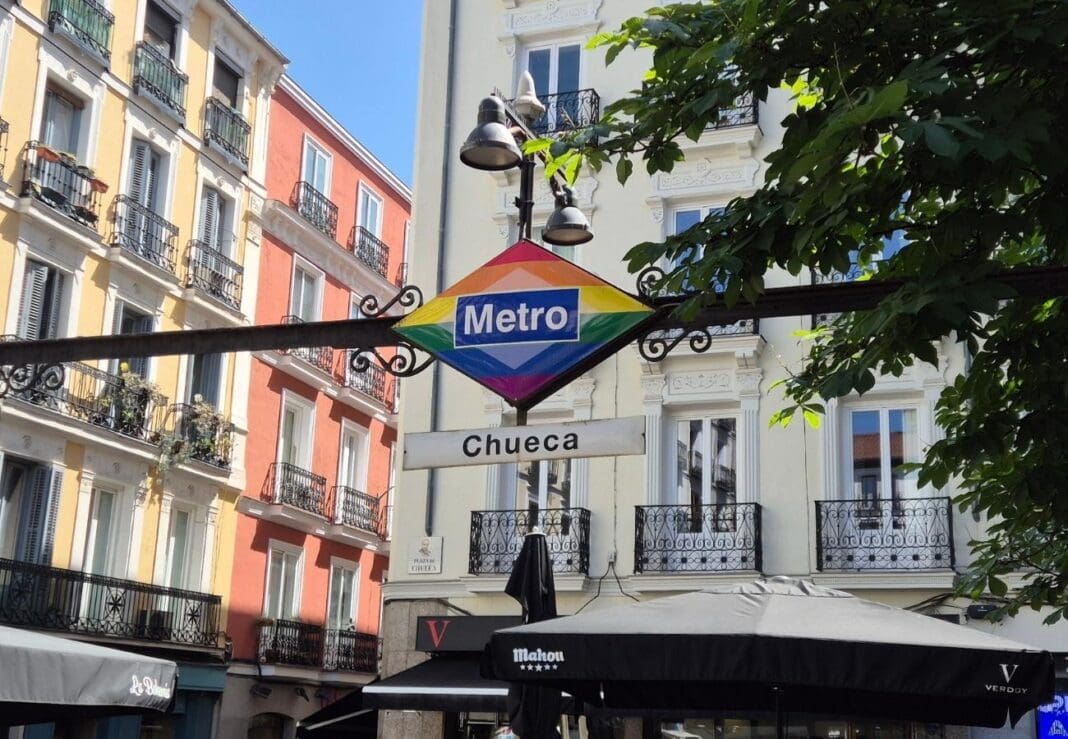
The Madrid Pride 2026 mobilized 1,124.1 million euros in consumption between June 26 and July 5 across the capital. The municipal report on MADO also estimates the total impact on the city’s production value at 82.7 million.
A celebration with impact across the city
The economic balance published by the Madrid City Council places MADO 2026 consumer spending at 1,124.1 million euros. This figure represents a growth of 1.4% compared to the 2025 edition and 4.6% compared to the immediately preceding standard period used as a reference.
The difference with that ordinary period amounts to 49.4 million euros additional spending. Based on this increase, the report calculates a total impact of 82.7 million euros on the production value in the city. It is important to separate both concepts: the first is the observed spending; the second, the estimation of its productive effect.
The analyzed dates cover from June 26 to July 5, 2026. The result again shows that Pride is simultaneously a mobilization for LGTBI rights, a large festive program, and an event with measurable effects on Madrid’s economic activity.
What was purchased during MADO 2026
The average ticket was 30.4 euros, 4.7% higher than recorded in the standard period. Tourist accommodation led the sector distribution with 25.9% of total spending, followed by restoration, with 17.4%.
Next are department stores, with 7.3%; food, with 7.2%; health services, with 5.1%; and transportation, with 4.4%. These proportions describe a diversified impact that reaches both sectors directly associated with tourist visits and everyday purchases and services.
Compared to a standard period, the largest increases were recorded in department stores, with 19.6%; health services, with 4.1%; and tourist accommodation, with 2.7%. The year-on-year comparison offers another picture: transportation grew by 46.7% compared to the MADO 2025 week; health services, by 14.4%; and department stores, by 9.6%.
44% of spending came from abroad
The report attributes to international visitors the 44% of total spending. Residents of Madrid contributed 30.8%; people from the rest of the Community of Madrid, 8.4%; and those arriving from other areas of Spain, 16.8%.
International spending was also the one that grew the most compared to the 2025 edition, with an increase of 4.2%. Ireland accounted for 18.8% of the foreign volume and the United States 16.2%. Italy and the United Kingdom each represented 7.2%.
The distance between nationalities is also reflected in the value of the average ticket. That of Ireland reached 122.9 euros and that of the United States, 53.9 euros. Among national tourism, Barcelona generated 9% of spending from the rest of Spain and Valencia 6%; the highest average ticket again corresponded to Barcelona, with 41.6 euros.
Centro leads, but the effect expands
The Centro district accounted for 17.3% of spending. It was followed by Chamberí, with 11.9%; Chamartín, with 10.9%; and Salamanca, with 10.3%. The central concentration was expected due to the location of much of the programming, hotel offerings, and main commercial axes.
However, the largest increases compared to the reference period appeared in other districts: Barajas grew by 19.7%, Carabanchel by 15.7%, and Vicálvaro by 12.2%. This data supports the municipal reading of a progressive extension of the economic impact beyond the center.

The measurement was developed based on aggregated statistical data from a portion of transactions with cards and payment terminals from a banking entity. The City Council indicates that the data was dissociated or irreversibly anonymized. This methodology offers a solid approximation to consumption, although the very scope described requires presenting it as an estimate and not as a comprehensive count of all activity.
The figures confirm the economic dimension of MADO without replacing its reivindicative foundation. Pride remains a date for equality and freedom; the report adds that this collective presence also generates activity in accommodations, restaurants, shops, transportation, and neighborhoods throughout Madrid.