LGBT flags at La Melonera: the veto that worries
- The municipal regulations prevent the display of political symbols and flags other than the constitutional ones in the booths.
- Neighborhood associations and Más Madrid argue that the measure restricts freedom of expression.
- The controversy coincides with the La Melonera festivities, held in Arganzuela from September 3 to 6.
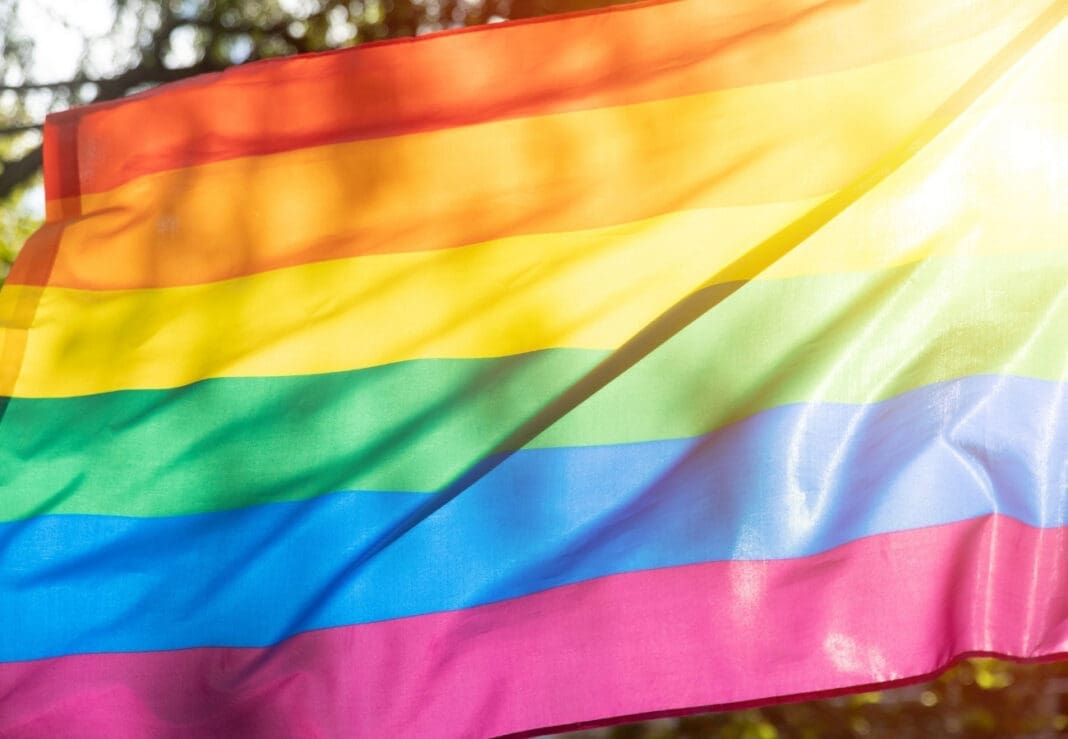
LGBT flags at La Melonera are affected by a municipal prohibition that extends to non-constitutional symbols and flags. The measure, applied to the booths of the Arganzuela festivities from September 3 to 6, 2026, has provoked appeals, protests, and a debate about freedom of expression.
An unprecedented veto in the booths of Arganzuela
The La Melonera festivities have started this year with a discussion that transcends the cultural programming. The bases approved by the Arganzuela Municipal Board prohibit the display of political symbols, banners, and flags other than the constitutional ones. The regime includes the possibility of excluding entities that fail to comply with the conditions for two years.
Although the wording does not enumerate the affected flags one by one, its general scope places within the conflict the rainbow, trans, bisexual, non-binary, or intersex flags, common in associative spaces and popular celebrations. The issue is not merely aesthetic: these symbols identify support networks, claims for equality, and communities that have historically needed to make themselves visible.
The City Council presents La Melonera as the great neighborhood festival of Arganzuela, with activities from September 3 to 6 alongside Madrid Río. This open and community character explains why the limitation has generated special rejection among associations that use the booths to showcase their work and values.
Rejected appeals and neighborhood protest
Más Madrid filed a motion for reconsideration against the bases in July. The Espacio Vecinal Arganzuela (EVA) and Ecologistas en Acción also appealed. According to information published by EL PAÍS and Público, the appeals did not succeed, and the prohibition remained for the September celebration.
The entities believe there is a prior restriction on freedom of expression. The criticism focuses on the broadness of the concept “political symbols,” which can encompass social, feminist, environmental, or LGTBIQ+ messages without distinguishing between electoral propaganda and defense of rights. The Regional Federation of Neighborhood Associations of Madrid has also warned of the risk that the criterion may extend to other districts.
The neighborhood response has included a call for protest during the festivities and a strategy laden with irony: to display articles from the Spanish Constitution to emphasize that ideological and expressive freedom are also part of the constitutional framework invoked by the bases.
Visibility is not decoration
For the LGTBIQ+ community, a flag in a booth can serve multiple simultaneous functions. It indicates that there is a safe space, allows recognition of an association, and turns a public festival into a place where diverse families, youth, and older people can also fit in. Its removal does not eliminate the represented identities, but it does reduce a visible signal of belonging.
The debate over La Melonera forces a distinction between institutional neutrality and social pluralism. The booths are not administrative buildings: they are temporary spaces granted to entities within a fair. Precisely for this reason, the discussion centers on whether the administration can so broadly condition the messages that each group displays in its space.
There is no definitive judicial resolution on the substance in the consulted sources. What is verifiable is that the bases remain in force, the administrative appeals were rejected, and the associations maintain their opposition. This framework advises against drawing closed legal conclusions and to follow the evolution of any subsequent challenges.
What may happen after the festivities
The practical outcome will be measured on two levels. The first will be the application: whether warnings, sanctions, or expulsions are issued and what specific symbols the Board interprets as prohibited. The second will be legal and political: the entities may continue to demand a review of the bases and request that future calls better delineate any restrictions.
The controversy comes at a time when LGTBIQ+ flags are once again the subject of institutional disputes in various municipalities. In Arganzuela, however, the immediate focus is perfectly defined: a set of awarding bases, specific festivities, and a neighborhood community that demands to retain its capacity to express itself.
La Melonera will continue with concerts and activities until September 6. But its 2026 edition will also be associated with a democratic question: who decides which symbols fit in a popular festival and with what limits can they do so.