

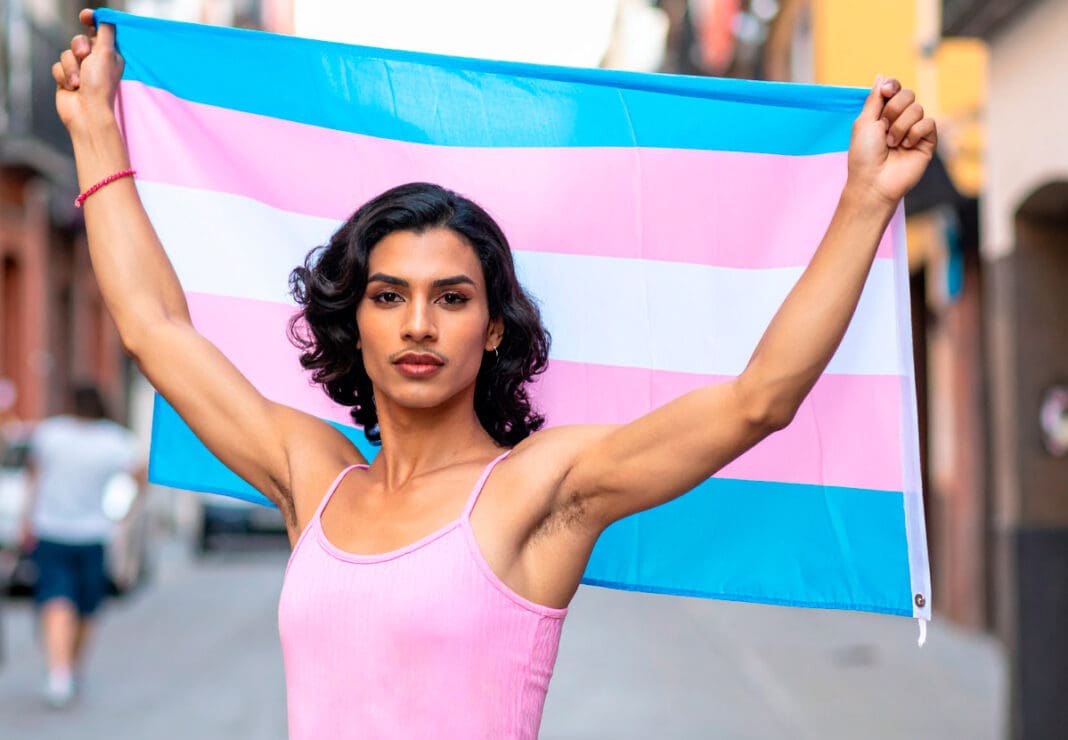
The third Saturday of each month of October is not just any date; It is Day for the Depathologization of Trans People, a day that reminds us of the tireless fight for the recognition, respect and autonomy of a group that has been historically stigmatized and oppressed. From our LGTBIQ+ digital magazine, we raise our voices to demand, once again, that trans identity stop being considered a disease. Because, is human diversity a pathology? The answer is a resounding no.
The History of a Necessary Fight
For too long, trans identities have been pigeonholed into psychiatric diagnoses, forcing people to go through medical and psychological processes to “validate” their existence. Not only is this an act of institutional violence, but it also perpetuates the misconception that being trans is something that needs to be “cured” or “corrected.”
Depathologization is not just a matter of medical terminology; It is a fundamental step towards the full social and legal acceptance of trans people. It is recognizing that gender identity is an internal and personal experience, not a disorder.
Why is depathologization key for the LGTBIQ+ community?
- Bodily and Decisional Autonomy: Allows trans people to make decisions about their own bodies and lives without the tutelage of a medical system that considers them sick.
- Stigma Reduction: By eliminating the diagnosis, we combat the social stigma and discrimination that trans people face in all areas of their lives.
- Access to Rights: Facilitates access to fundamental rights, such as changing name and sex, without unnecessary medical barriers.
- Mental Health and Wellbeing: Contributes to improving the mental health and well-being of trans people, by validating their identity and reducing the pressure to fit into imposed regulations.
A Future without Labels: Building an Inclusive Society
Depathologization is an act of justice and humanity. It is a call to society to abandon prejudices and stereotypes, and embrace the richness of gender diversity. This is not about denying the need for medical or psychological support for those who want or need it in their transition process, but rather about ensuring that this support is based on respect for the autonomy and identity of each person, and not on a model of illness.
Are we really willing as a society to listen to and learn from trans experiences? Or will we continue to cling to paradigms that only generate pain and exclusion? The answer to these questions will define the type of society we are building. A society that celebrates diversity is a stronger, fairer and freer society for all.
The path toward total depathologization still has challenges, but every October 21, we renew our commitment to this cause. It is a day to remember that trans existence is valid, legitimate and worth celebrating.