

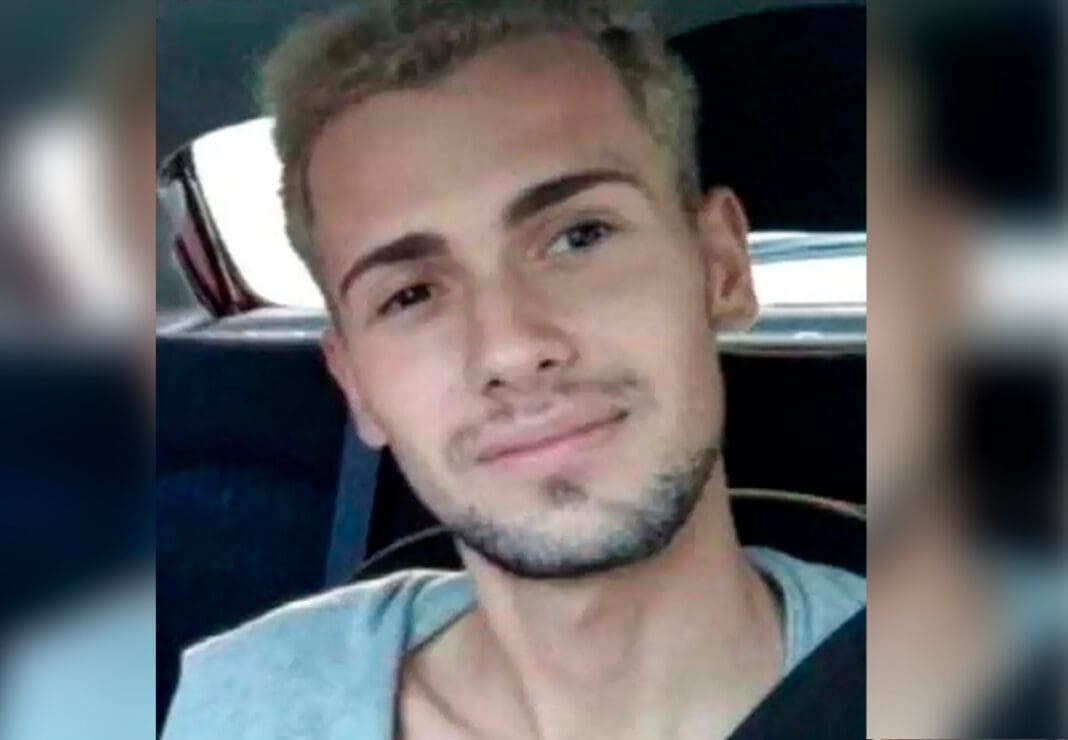
For those who read Rainbow, this verdict resonates with a mixture of pain from memory and the need for justice. The Supreme Court has handed down a final ruling in the case of Samuel Luiz, the 24-year-old young man beaten to death in A Coruña in the early hours of July 3, 2021. The Criminal Chamber has ratified the sentences of between 20 and 24 years in prison for the three material authors of the crime.
This resolution closes a judicial chapter, maintaining the sentences that had already been imposed. In addition, the Supreme Court rejected the appeals of both the defenses and the Prosecutor’s Office and the private prosecution, which sought to reverse the acquittal of a fourth defendant who had initially been convicted as an accomplice, a decision that the Superior Court of Justice of Galicia had justified due to lack of conclusive evidence.
The Detailed Sentences
The sentences confirmed by the high court are distributed as follows, reflecting the seriousness of the facts and the aggravating circumstances:
- Diego M.M.: 24 years in prison. He is convicted of murder with the aggravating factor of discrimination based on sexual orientation, the element that hurts the most and that, at the same time, validates the fight of the LGTBIQ+ community for the recognition of hate crimes.
- Alejandro F.G.: 20 years in prison for the crime of murder.
- Kaio A.S.C.: 20 and a half years (17 years for murder and 3 and a half years for robbery with violence, for stealing the victim’s cell phone).
In addition to the deprivation of liberty, the three convicts must financially compensate Samuel’s family with just over 300,000 euros.
Lynching and Treachery: Inexplicable Violence
Let’s read what is considered proven. The beginning of the attack was as trivial as it was unexpected. Around three in the morning, one of the attackers, Diego M., falsely attributed Samuel to being recording them with his cell phone. When Samuel responded that he was on a video call, violence broke out suddenly.
The Supreme Court confirms that the attack was carried out with treachery, a key factor for the crime to be considered murder. The Chamber describes the episode as an “inexplicable lynching” and argues that the victim was defenseless from the first moment due to the surprising nature and the overwhelming numerical and violent superiority. The defenses tried to refute the treachery, arguing that the subsequent help of third parties to Samuel implied that there was not total defenselessness, but the Court was clear: the treachery is annulled if the offended party defends himself, not if other people assist him.
At this point, it is vital to stop.The aggravating factor of treachery underlines how the attack was designed to nullify any defense capacity.What does it tell us as a society that two Senegalese citizens had to intervene to try to help Samuel in the face of such a brutal act of violence? How safe do we feel when we see that help sometimes only comes when the damage is imminent or already done?
Sexual Discrimination: The Hate Behind the Coup
For Rainbow magazine, the confirmation of the aggravating circumstance of discrimination due to sexual orientation against Diego M. is the central point. The proven facts include the homophobic phrase: “Stop recording, let’s see if I’m going to kill you faggot”, which the aggressor uttered before starting the punches. The Supreme Court concludes that the attack was motivated by his “animosity towards the homosexual sexual condition that he attributed” to Samuel.
This ratification is a judicial recognition that Samuel Luiz’s crime was a hate crime, a direct blow not only against him but against all people in the LGTBIQ+ community.The defense’s allegation that a mitigating circumstance be applied for having committed the act under the influence of alcohol was also rejected, which reinforces the full responsibility of those convicted.
Now that the Supreme Court has spoken, the penalties are firm. But for those who read this news, the question remains: Is criminal justice enough to heal the social wound that a hate crime opens? How can we, as a community, transform this painful precedent into a more effective mobilization to eradicate LGTBIphobia from the streets and minds? The answer is in our hands.