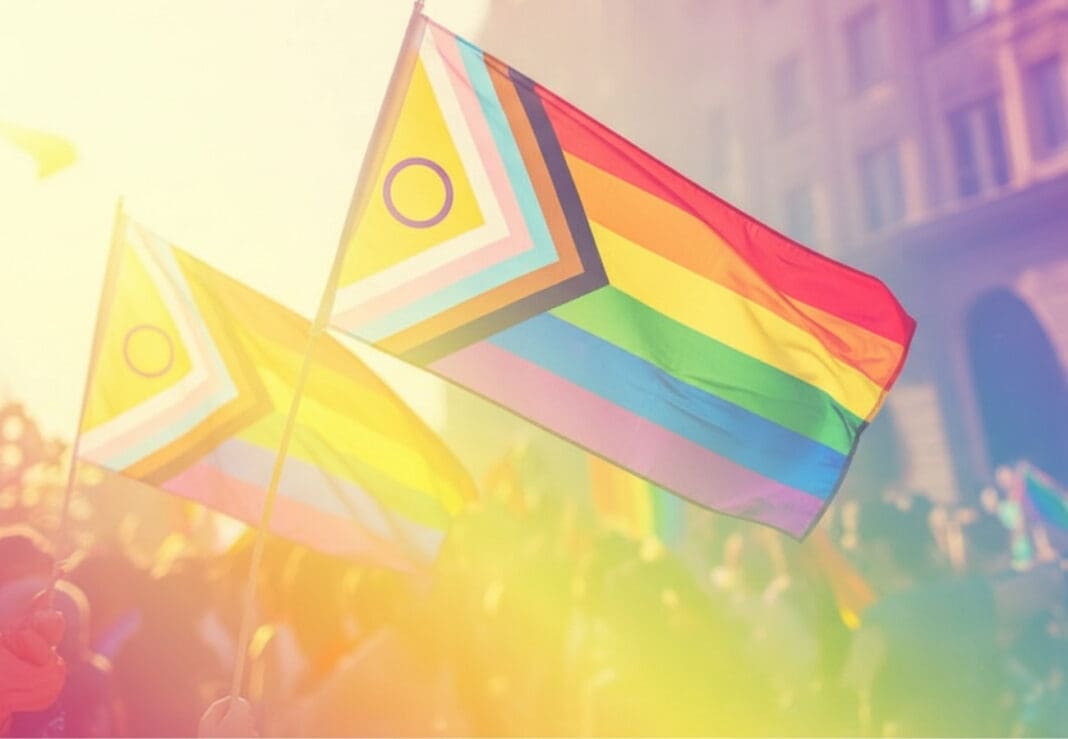

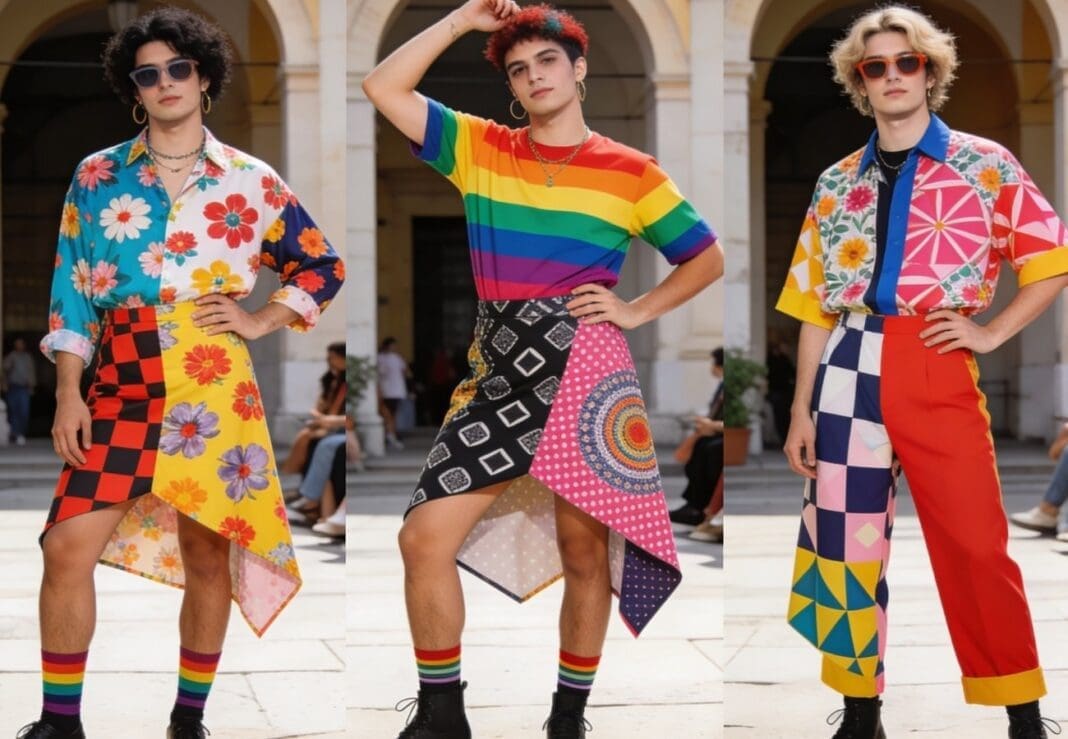
For years we were made to believe that fashion was a superficial issue. Something linked to taste, aesthetics or consumption. But it is enough to look closely at current trends to understand that clothing is never innocent. Fashion builds political imaginaries, shapes collective desires and defines which bodies, which genders and which ways of life are considered valid. And today, in the midst of the expansion of conservative discourses, the fashion industry is functioning as a sophisticated cultural machine that normalizes deeply reactionary ideas.
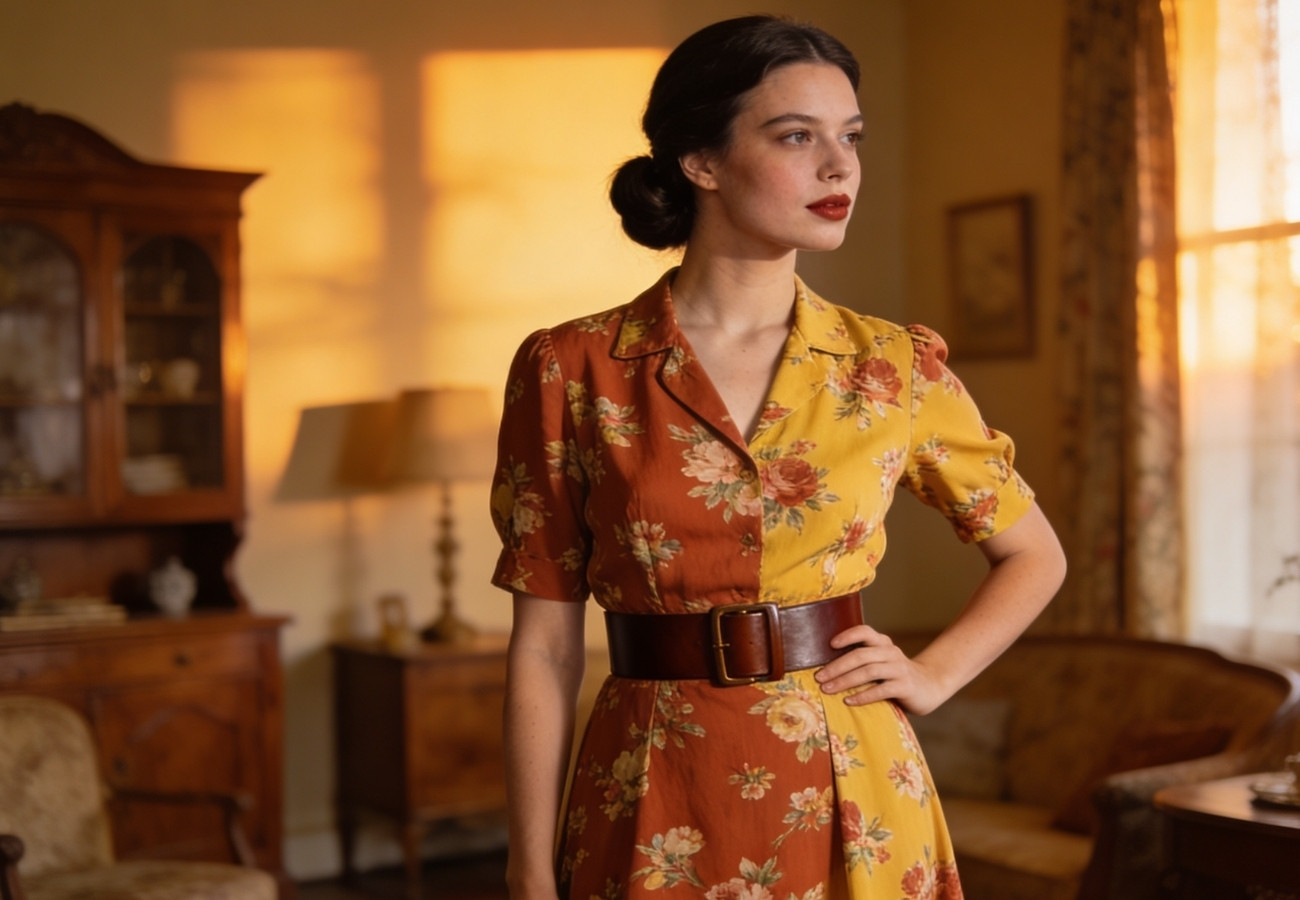
The “trad wife” aesthetic—the traditional wife devoted to the home, feminine, docile, and economically dependent on the male breadwinner—did not appear out of nowhere. It is presented as a simple vintage or romantic trend, but behind it there is a powerful ideological narrative: the return of classic gender roles dressed up as a personal choice. Floral dresses, elegant aprons, perfect kitchens, cream tones and a soft, obedient femininity. All carefully aestheticized to convert subordination into aspiration.
The key is that these aesthetics are rarely presented as explicit politics. Nobody says “go back to the patriarchy.” The cultural operation is much more intelligent: calm, order, stability, delicacy and “authentic femininity” are sold in times of uncertainty. In the midst of economic crises, social exhaustion and collective anxiety, conservative fashion offers emotional refuge. The problem is that this refuge is often built on old structures of inequality.
The rise of so-called “quiet luxury” is part of this phenomenon. Neutral colors, absence of prints, sober lines, minimalist garments, extreme discretion. The aesthetic of “wealth that does not need to be demonstrated.” But behind this apparent neutrality there is a very specific idea of class and gender: the refined, silent, elegant and contained woman; the successful, provider, emotionally austere man. A bourgeois fantasy where everything seems clean, calm and hierarchically ordered.
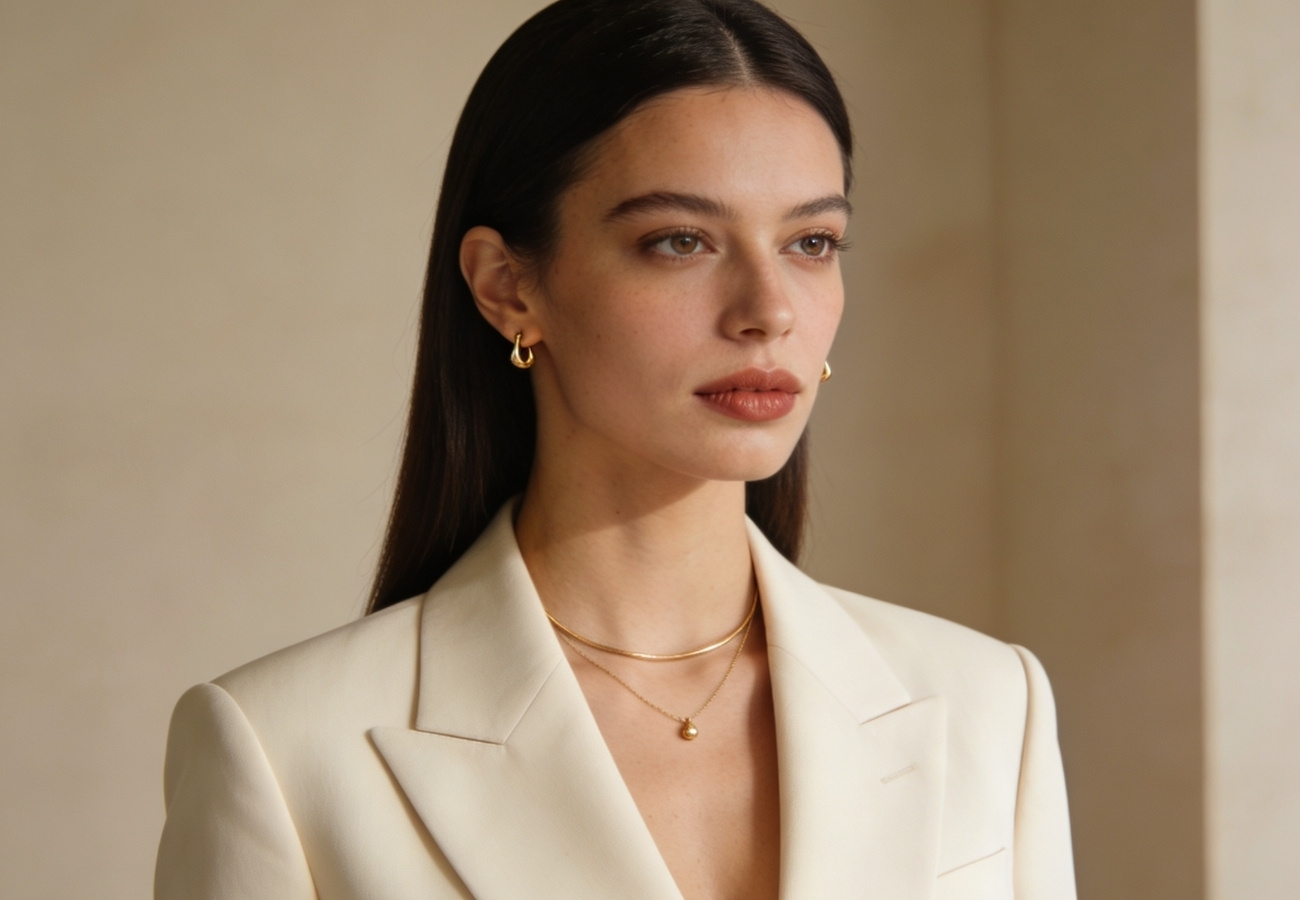
Fashion always cascades down from the elites. It first appears on luxury catwalks, on celebrities, on influencers linked to economic and cultural power. It then descends towards aspirational brands and finally ends up reproduced in fast fashion chains accessible to the working classes. What begins as a code of distinction for the upper classes ends up becoming mass aesthetics. The fashion sociologist has been studying this phenomenon for decades: elites create symbols that are then socially imitated.
And therein lies the true ideological power of fashion: when we think we are simply buying clothes, we are actually consuming models of behavior.
It is especially worrying how these trends also affect the LGTBI community. Because historically queer fashion was exactly the opposite: a tool of rupture. Brightness, excess, impossible colors, prints, exaggerated makeup, leather, glam, androgyny or camp were not just aesthetic decisions; They were forms of political resistance. To dress differently was to survive in a world that punished any deviation from the heterosexual norm.
Queer clothing screamed: “we exist.”
From the colored scarves used as secret codes in gay communities to the aesthetic explosion of ballroom, punk queer or drag, fashion functioned as a political and emotional language. Being visible was an act of bravery. Every sequin and platform was a way to challenge a system that demanded discretion and shame.
That is why it is disturbing to see how today many queer aesthetic expressions are being absorbed by the logic of conservative sobriety. Today’s visual homogenization—pastel palettes, clean minimalism, normative bodies, silent aesthetics—seems to push even sexual dissidents toward a more acceptable, less uncomfortable, and more marketable version of themselves.
The aim is no longer to provoke the system; It seeks to fit elegantly within it.
And when extravagance disappears, critical thinking often disappears too. Because the system better tolerates a diversity that does not bother. An aesthetic homosexuality, clean, consumable and perfectly integrated into the market. Capitalism long ago understood that it could sell inclusion without really questioning conservative structures.
The paradox is brutal: the same industry that for decades marginalized queer bodies now markets carefully domesticated diversity.
Even the discourse of “feminine energy” or “high value” often reproduces deeply patriarchal ideas. The high value woman should be soft, beautiful, serene, desirable but not overly sexual, independent but not threatening. The high value man must produce, lead and financially support. They’re the same old roles, just dressed up with contemporary marketing and Pinterest aesthetics.
Fashion does not directly impose ideology. He does it emotionally. It makes us want certain lives before we can rationally question them.
That is why it is important to take a critical look at what we consume visually. Wondering why everything suddenly seems beige. Why extravagance bothers again. Why femininity is once again associated with domesticity. Why queer identities begin to be rewarded more when they are discreet and normative.
Getting dressed was always political. The difference is that we knew it before.
Today the true power of conservative fashion consists precisely in making us forget that behind every trend there is a vision of the world.
The devil always dresses fashionably.