

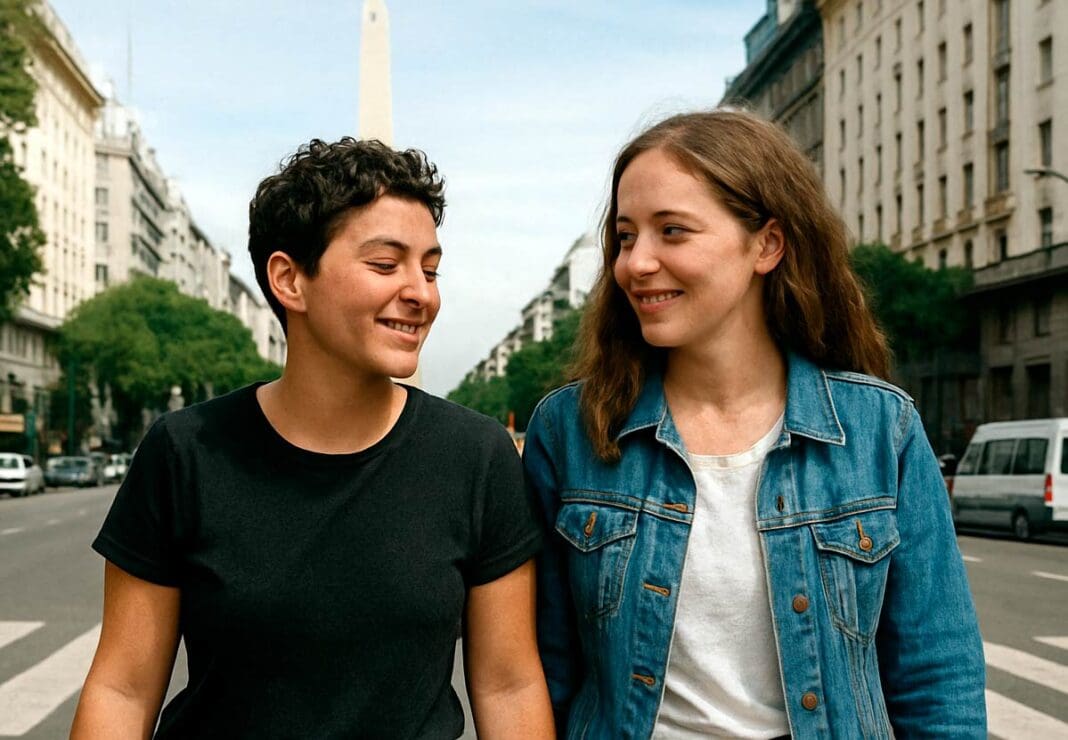
Traveling is more than knowing new places. For many, it is also a way to affirm their identity, seek community, or simply feel free. But for the community LGTBIQ+, that freedom is not always guaranteed. Latin America, with its rich cultural diversity and stunning landscapes, offers unforgettable experiences, although it also presents challenges. Can it be done LGTBIQ+ tourism in the region safely? The answer is yes, but with nuances.
This article does not intend to give definitive formulas, but rather to offer a useful and realistic guide, based on data, experiences and a necessary reflection on what it means to travel as part of the group.
Why Latin America?
In the last decade, Latin America has experienced a significant transformation in terms of LGTBIQ+ rights and visibility. Countries such as Argentina, Uruguay or Colombia have made notable progress in terms of equality, allowing equal marriages, gender identity laws and inclusive public policies. At the same time, its cities have become epicenters of queer culture, art, parties and safe spaces.
However, reality is not homogeneous. There are still regions where prejudices persist, and hate speech is strongly felt. Therefore, planning is essential. Here we present some of the safest and most vibrant destinations for an LGTBIQ+ traveler.
Buenos Aires, Argentina: The capital of tango and diversity
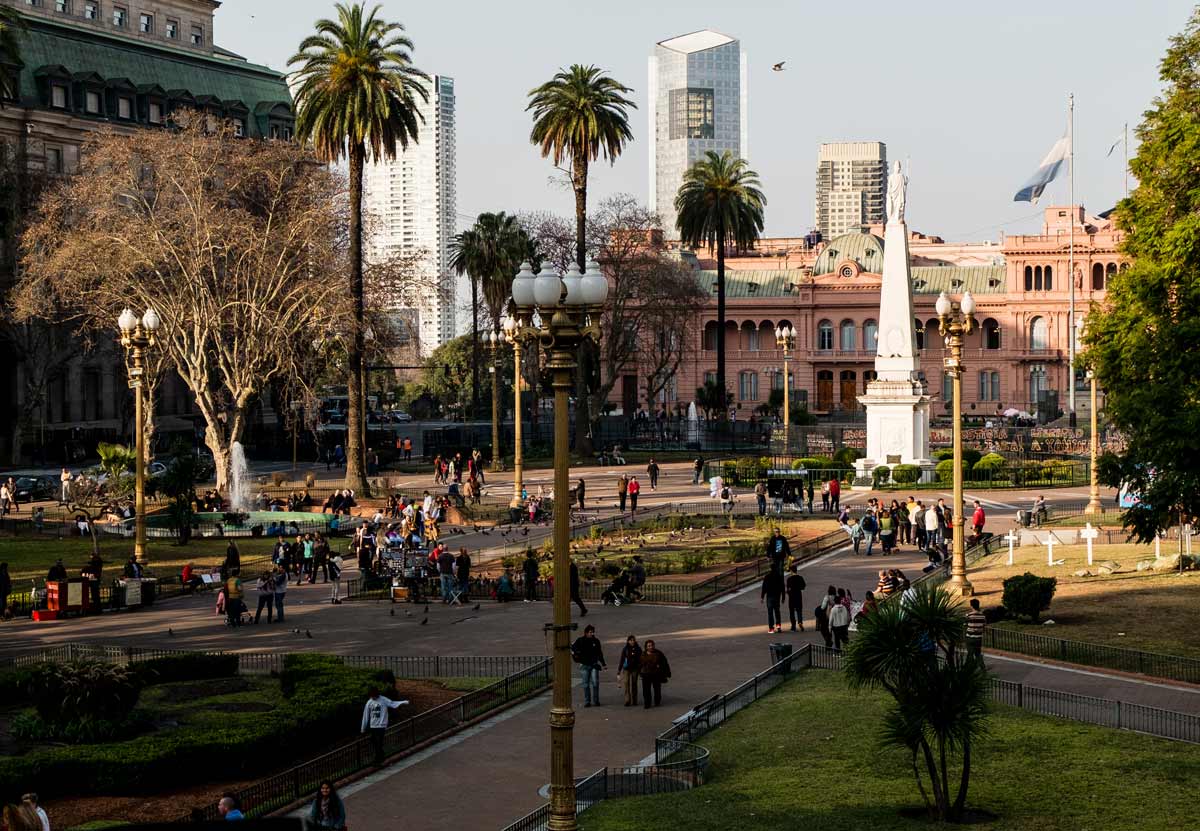
Buenos Aires has historically been an open, cosmopolitan and culturally active city. Since the legalization of same-sex marriage in 2010—the first in Latin America—the city has reinforced its image as a friendly destination.
To do?
- Walk through the neighborhood Palermo Soho, full of cafes, urban art and bookstores with a gender perspective.
- Visit the Pride March in November, one of the most massive and politicized on the continent.
- Explore Brandon House, an alternative cultural center with constant LGTBIQ+ programming.
Montevideo, Uruguay: Tranquility and rights guaranteed
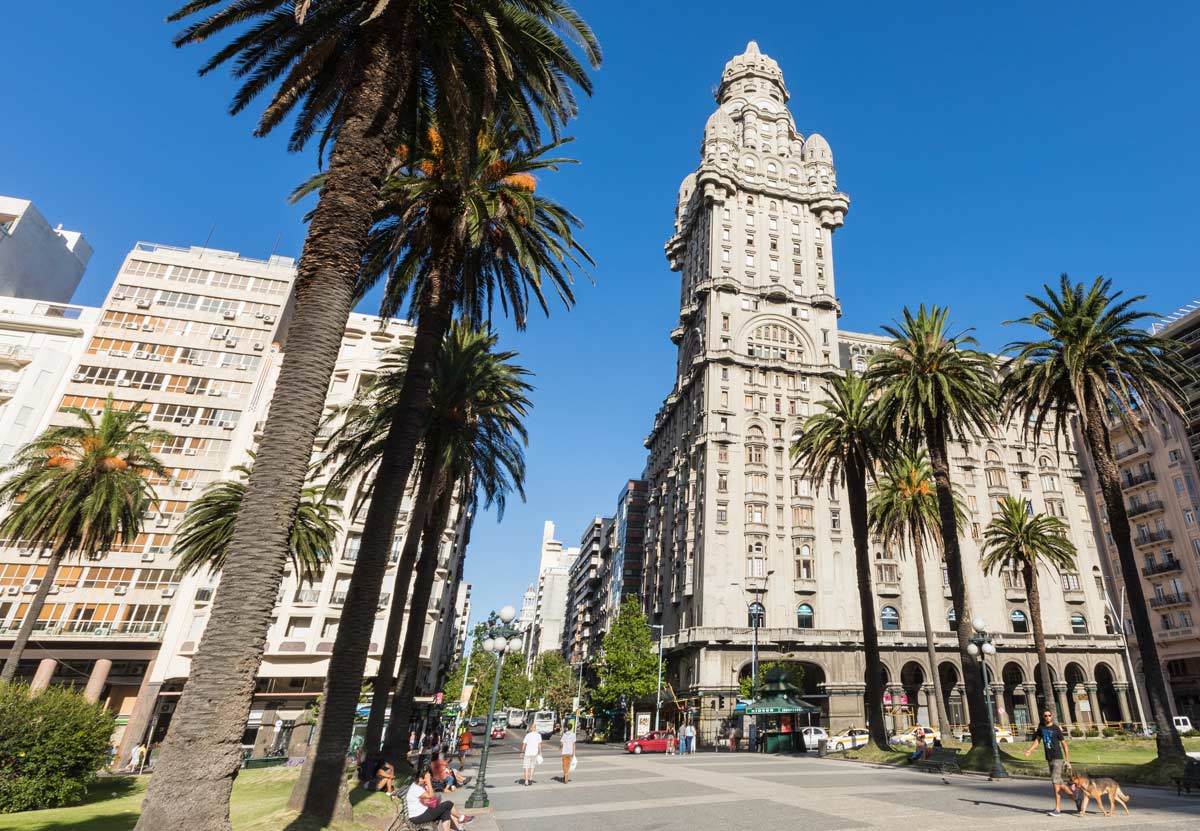
Uruguay is one of the countries with the greatest stability and legislative progress regarding LGTBIQ+ rights in the region. Montevideo, its capital, is an ideal destination for those seeking security, a relaxed atmosphere and a committed community.
Recommendations:
- walk through Old City and the Port Market, with street artists and historic architecture.
- Know the LGTBIQ+ Information and Reference Center.
- Relax on the beaches of Ramirez o Wells, very frequented by the group.
Mexico City, Mexico: Colors, history and diversity
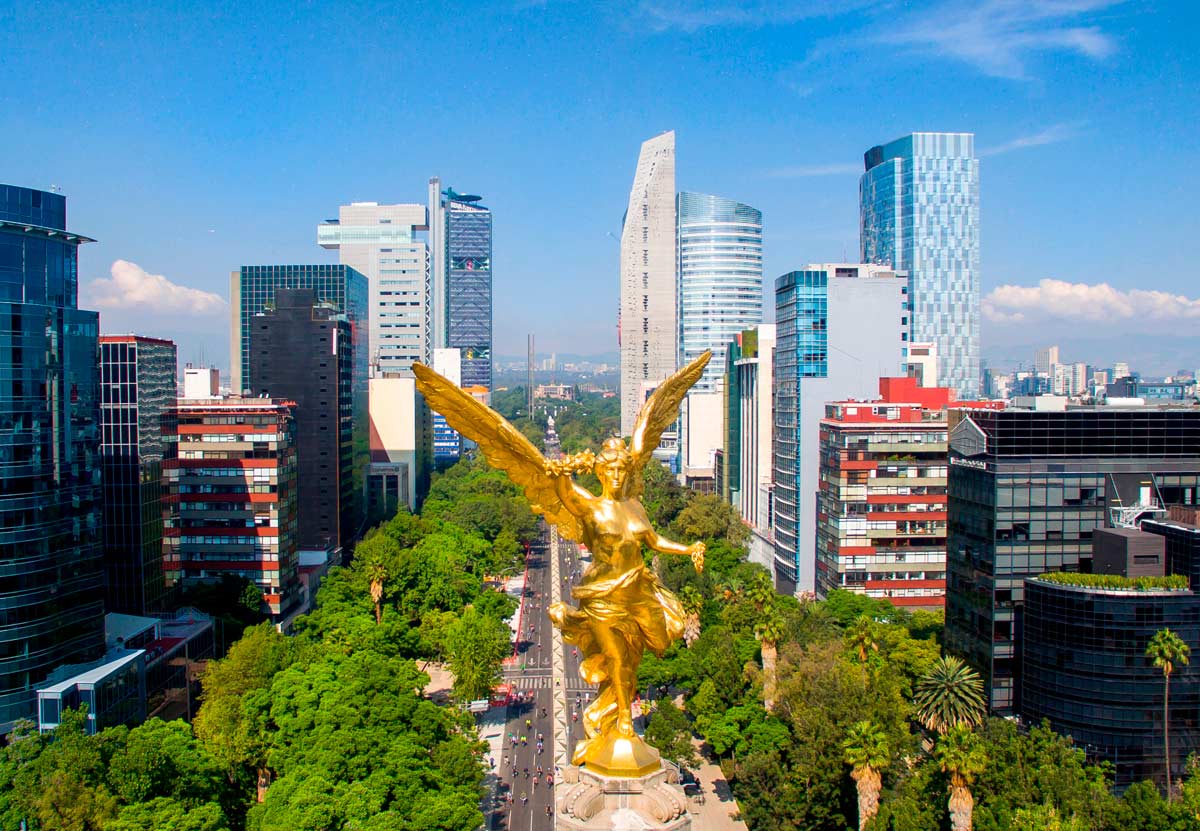
CDMX is one of the largest and most vibrant cities in the world, and also one of the most important LGTBIQ+ destinations in Latin America. The mix of tradition and modernity is also reflected in its sexual and gender diversity.
Where to go?
- Pink Zone, nerve center of LGTBIQ+ nightlife.
- Museums like the Memory and Tolerance, which address human rights in depth.
- Independent spaces like The House of Cinema, which promotes diverse and experimental cinema.
Medellín, Colombia: From the dark past to the inclusive future
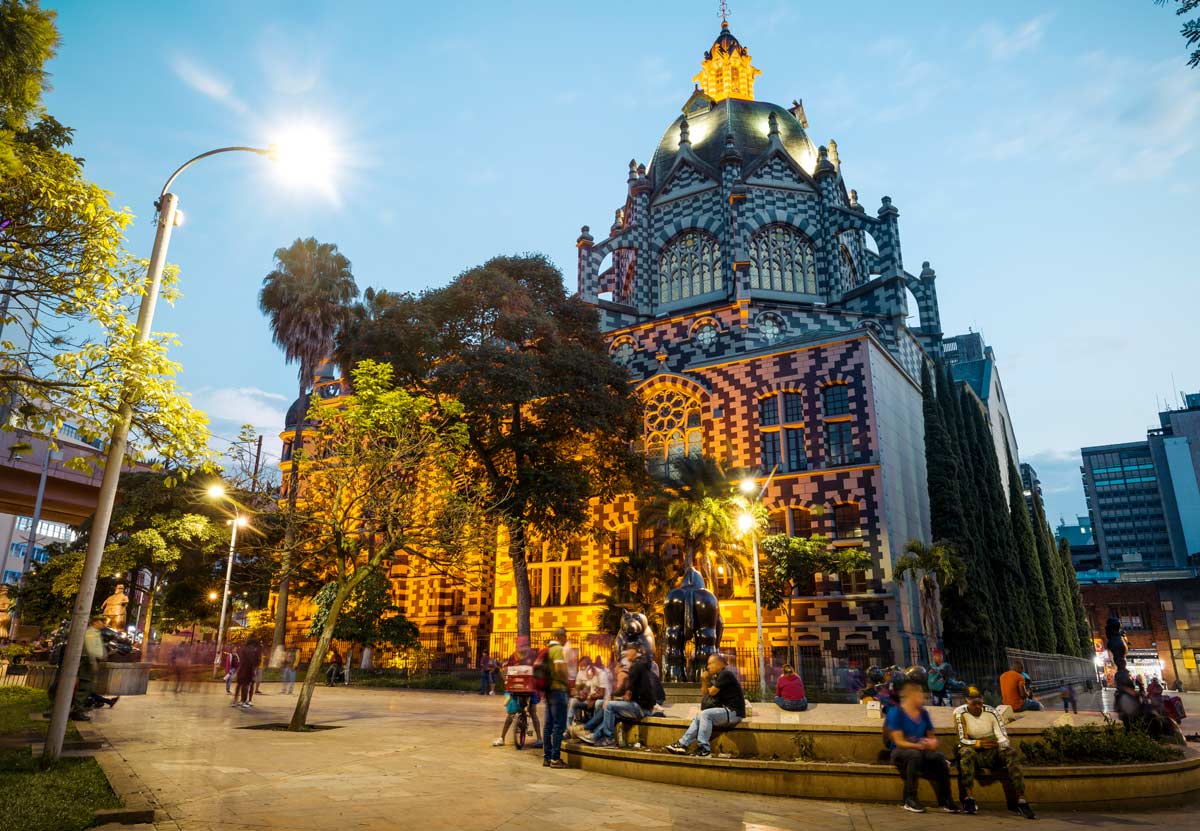
Medellín has gone from being known for violence to becoming an example of urban innovation and social transformation. Today, its LGTBIQ+ scene flourishes, driven by local initiatives and the support of institutions.
Places you can’t miss:
- The Village, a chic and bohemian neighborhood, with queer-friendly bars, clubs and cafes.
- The Pride March in June, with strong participation of Afro and trans youth and groups.
- Diverse House, a self-managed community space that promotes culture, art and rights.
São Paulo, Brazil: The city of the largest Pride Parade
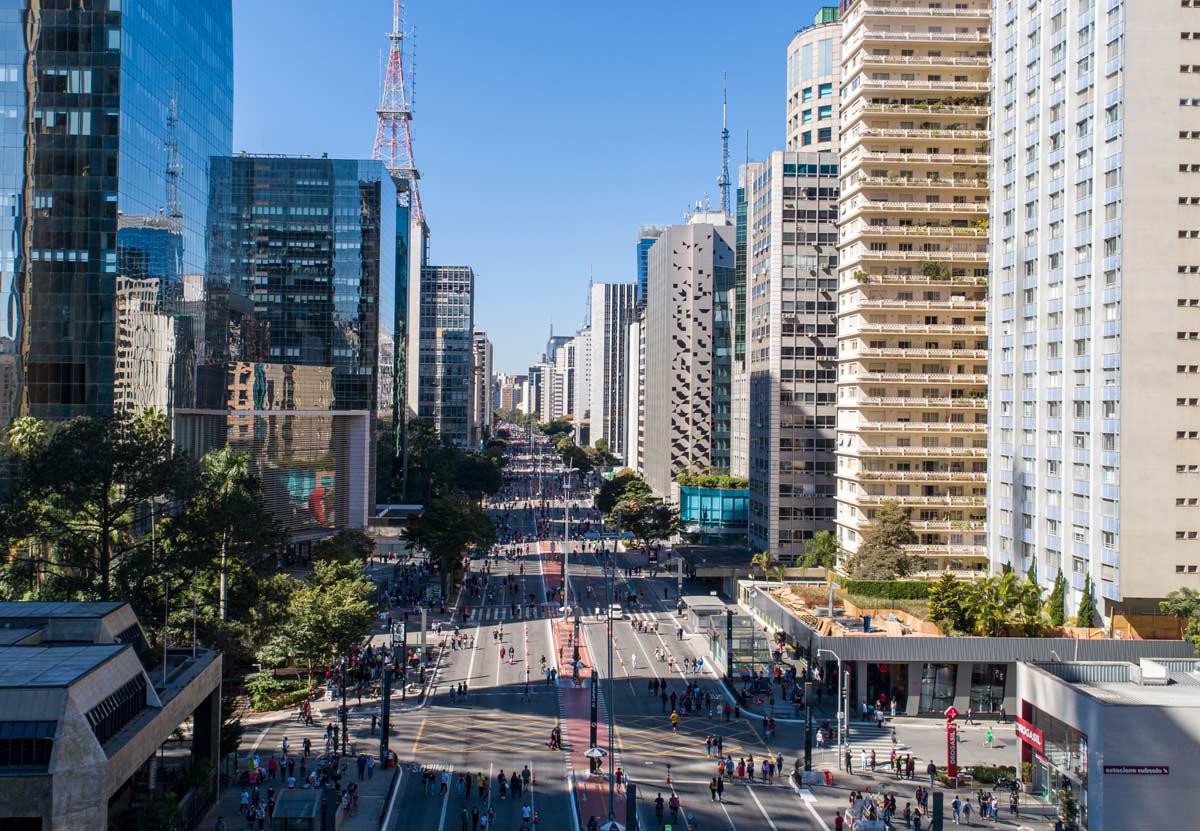
Every year, São Paulo hosts one of the largest LGTBIQ+ pride marches on the planet. Despite the unequal political and social context, the city remains a bastion of diversity and expression.
Featured:
- Paulista Avenue, epicenter of the march and meeting place of the community.
- Independent art galleries and theme bars.
- Initiatives like São Paulo LGBT+, which promote inclusive and safe tourism.
Valparaíso, Chile: Art, rebellion and community
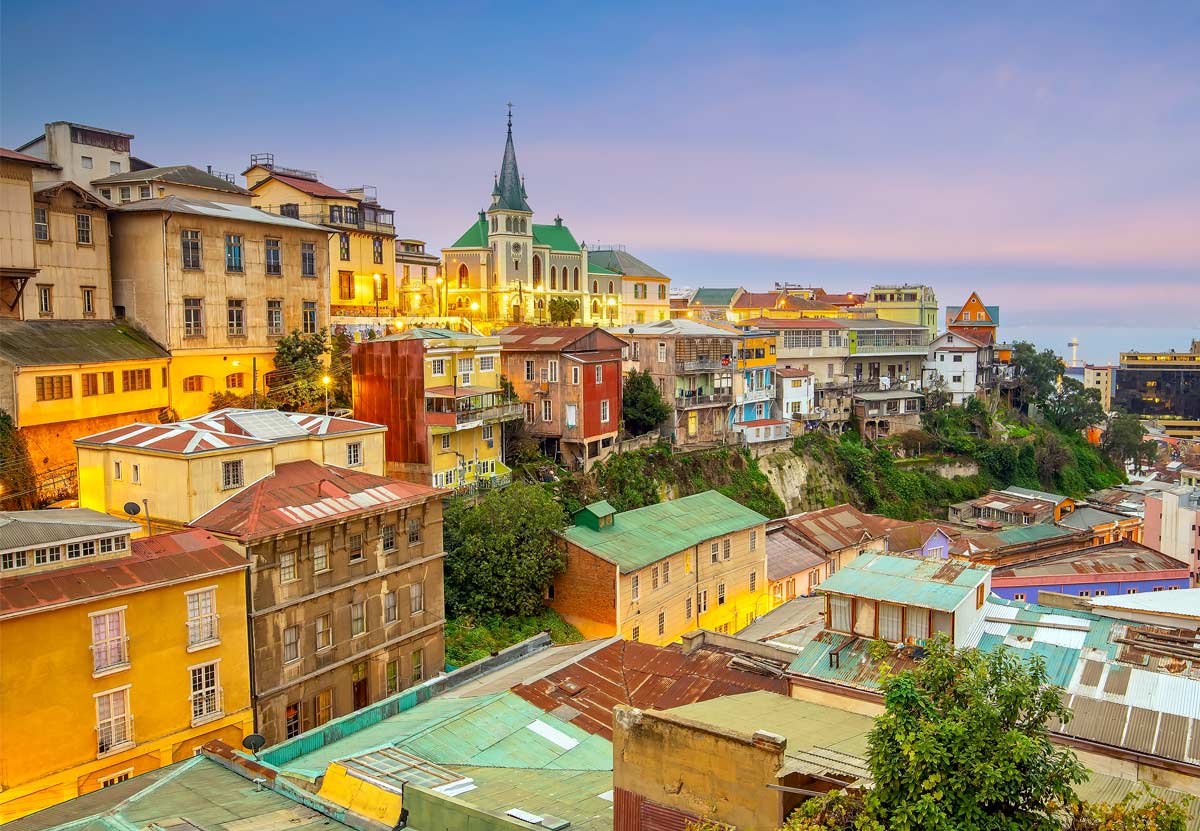
Valparaíso is a port city with an intense cultural life and a strong queer community. Its steep streets, covered in murals, tell stories of resistance and diverse love.
Suggestions:
- Tour the Alegre and Concepción hills, full of artistic spaces.
- Participate in the Cultural Carnivals, where diversity is visible.
- Visit groups like Green Sheep o Transform, which generate activism from the local level.
Tips for traveling with pride (and care)
Although each destination has its own dynamics, these guidelines can help you live a safe and enriching experience:
- Do your research beforehand: Find out about local laws, social situation and safe areas.
- Find queer-friendly services: Platforms like Queer Destinations or IGLTA are very useful.
- Connect with local organizations: They will help you integrate, understand and enjoy your trip more.
- Listen to your intuition: Your safety and well-being should always come first.
Traveling with conscience is also an act of pride
Latin America is full of fascinating destinations where the LGTBIQ+ community can feel welcome, explore freely and find resonance. But as in any journey, it is important to inform yourself, be aware of the contexts and support tourism that promotes real values of inclusion and diversity.

Because pride is also lived by carefully choosing where we go, who we support and how we tell our stories.