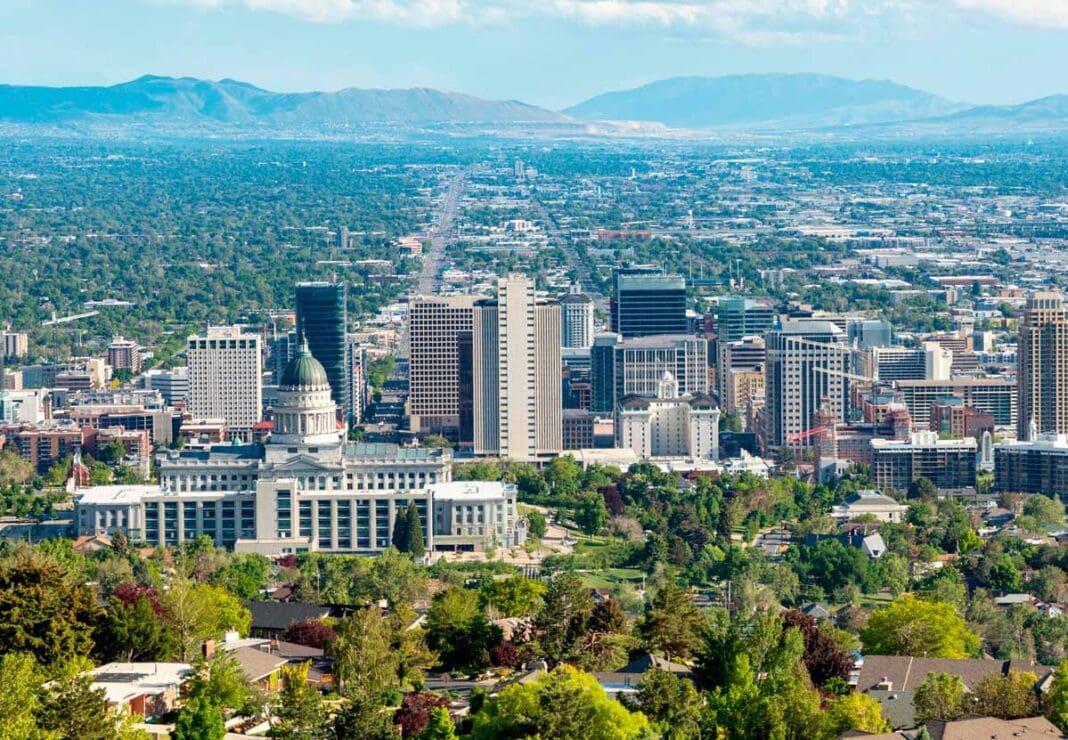
Salt Lake City, known for its stunning mountain landscapes and rich cultural history, has become an important meeting point for the LGTBIQ+ community. In recent years, the city has seen a flourishing indie scene, where creativity and diversity intertwine, creating a space where all identities are welcome.
The Historical Context
Throughout its history, Salt Lake City has been a place of contrasts. Founded by Mormons in 1847, its culture has been marked by religion and conservative traditions. However, as the city has grown, so has its diversity. In recent decades, the acceptance of LGTBIQ+ identities has been increasing, reflecting a change in social and political perception.
This change has been facilitated by a new generation of artists, activists and entrepreneurs who have begun to challenge established norms. The LGTBIQ+ community has found in Salt Lake City a space where they can express themselves freely and contribute to the city’s cultural scene.
The Indie Scene: A Space for Creativity
Salt Lake City’s indie scene is a mosaic of creativity and diversity. From small art galleries to alternative theaters, the city offers multiple platforms for LGTBIQ+ artists to show their work. Events like the Salt Lake City Indie Film Festival have gained notoriety, offering emerging filmmakers the opportunity to showcase their work and connect with like-minded audiences.
Music and Visual Arts
Indie music also plays a crucial role in this narrative. Local bands and artists such as The National Parks and Kina Grannis have found a home in the city, and their lyrics often reflect themes of love, identity and acceptance. Bars and live music venues, such as The Urban Lounge and The Depot, are places where the LGTBIQ+ community gathers to enjoy nights of music and celebration.
Likewise, the visual arts have flourished in Salt Lake City. Galleries such as Salt Lake Art Center and Art Access Gallery present exhibitions that address LGTBIQ+ issues, creating an important dialogue about diversity and inclusion. These spaces not only allow artists to express their experiences, but also educate the public on issues that are often overlooked.
Annual events like the Pride Festival are essential for the visibility and celebration of the LGTBIQ+ community. This festival not only attracts people from all over the state but also fosters a sense of belonging and unity. The celebration is packed with activities, from colorful parades to live performances, and becomes a key gathering point for the community.
However, what role do these events play in the daily lives of LGTBIQ+ people in Salt Lake City? Are they simply a celebration or also a form of resistance? These are questions that invite reflection on the deeper meaning of visibility.
Despite progress, the LGTBIQ+ community in Salt Lake City faces challenges. Political polarization in the country and the persistence of conservative attitudes in some areas can create a hostile environment. Mental health issues and the need for adequate resources are also concerns that need to be addressed.
Additionally, gentrification in some areas of the city is changing the cultural landscape. This raises the question: is the LGTBIQ+ community at risk of being displaced in their own home?
Criticisms of the Indie Scene
Despite the vibrant indie culture, some voices criticize the lack of inclusive representation in certain creative circles. Although there are visible LGTBIQ+ artists, are equitable spaces really being created for everyone? This is an important issue that deserves attention, especially at a time when diversity should be celebrated and not just superficially represented.
Salt Lake City has come a long way in its journey towards inclusion and acceptance of the LGTBIQ+ community. The indie scene acts as a beacon of hope, inviting all identities to come together and share their stories. Creativity flourishes in this environment, reminding us that diversity is what enriches our lives.
As we look to the future, it is essential that the community continues to fight for its place and that safe and welcoming spaces continue to be created. The question remains: how can we all contribute to an environment where every voice is heard and valued?