

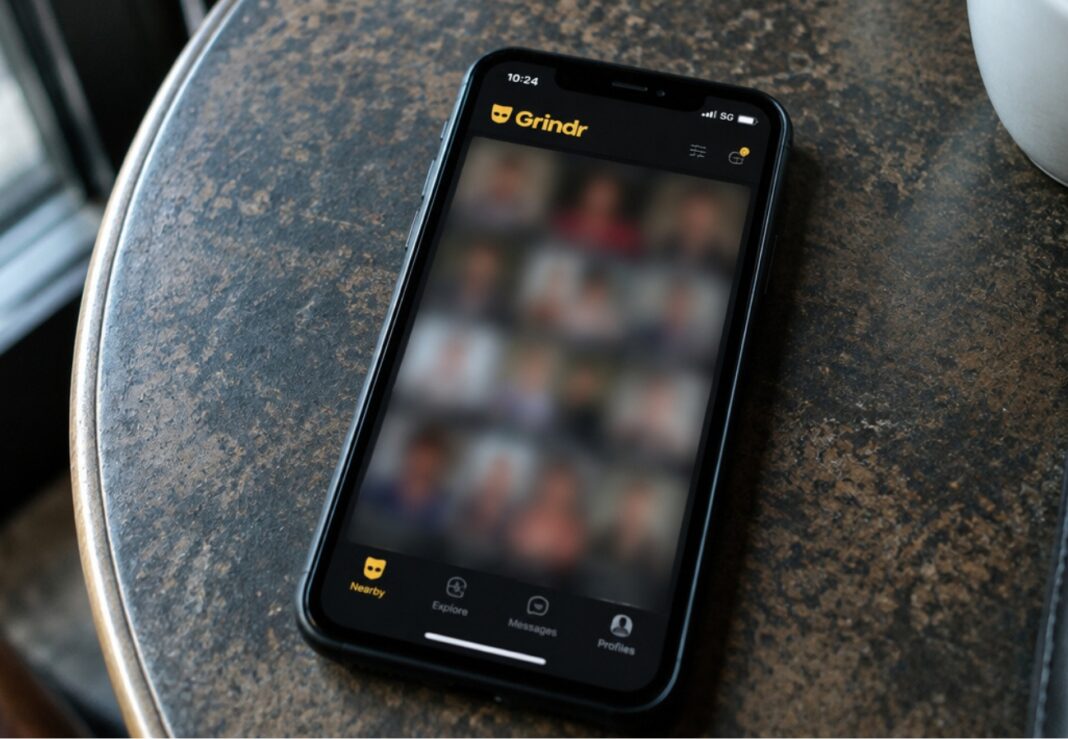
A few days ago, the Prosecutor’s Office requested almost 20 years in prison for a young man accused of using fake profiles on Grindr to meet, assault, and rob several gay men in El Ejido (Almería), according to the newspaper La Voz de Almería on September 6, 2026. This is not a hypothetical case to justify an opinion piece: it is proof of how far a fake profile can go when no one has an easy way to verify who they are really talking to.
It’s not just money that can be lost
When we talk about fake profiles on dating apps, the conversation usually stays on economic scams: the classic catfishing, where someone builds a complete identity with stolen photos to gain trust and later asks for money or personal data, as explained by the National Cybersecurity Institute (INCIBE) in its guide on catfishing. It is a real and growing problem: the National Police receives more than 4,000 annual reports of online romance scams, and INCIBE recorded more than 97,000 incidents of this type in 2024, a 16.6% increase from the previous year, according to data collected by Asobana Abogados from sources at INCIBE and the National Police.
But the case in El Ejido shows something different and, for our community, much more serious: according to the judicial order cited by media such as El Debate and Revista SIX (LGTBI media from Vocento), the accused allegedly created at least three fake profiles on Grindr with stolen photographs of other people, arranged meetings with gay men, and took them to deserted areas where other group members, wearing hoods, assaulted them with homophobic insults and stole their mobile phones or bank cards. The Prosecutor’s Office attributes aggravating factors of abuse of superiority and discriminatory motivation based on the sexual orientation of the victims, and at least three formal complaints have already been filed for incidents that occurred between December 31, 2025, and January 23, 2026.
Here the fake profile does not seek to fall in love or scam money through chat: it seeks to use the victim’s own sexual orientation as bait. And that is precisely the risk that is least mentioned when we talk about “fake profiles”: it does not end in disappointment or financial loss, it can end in an ambush.
Why these apps are fertile ground for fake profiles
It is no coincidence that this type of fraud thrives especially in apps like Grindr or TheBlowers. Several structural factors favor it: meetings that are arranged and finalized in minutes or hours, leaving little room to verify who you are really talking to; absence of a mandatory verification system, which allows operating with stolen photos without checks; ephemeral photos and profiles without links to social networks, which make it difficult to confirm the real identity of the other person, as detailed in Bonobology’s analysis of catfishing in dating apps. This is compounded by a pattern specifically documented in Grindr: the so-called “reverse catfishing,” where fake profiles try to lure users to fake “LGBTQ+ protection” sites that actually steal their private data, as detected by the cybersecurity firm VeePN.
The counterargument that must be acknowledged
It is fair to say that the apps have not been idle: Tinder has offered photo verification for years, and Grindr strengthened message encryption and privacy options in 2025. There are also reverse image search tools that anyone can use to check if a photo is already circulating on other profiles or scam reports. These are real advances. But, as we have already discussed digital protection in this very magazine, photo verification remains optional, not mandatory, and the verification tools are just as invisible to the average user as the rest of the privacy settings: they exist, but no one tells you that you need them until it is too late.
What is really needed
I do not ask that we stop using these apps or that we suspect every person we talk to: that would only generate more isolation, exactly the opposite of what we seek as a community. I ask that the prevention against fake profiles stop being treated as an exclusively financial issue and also recognize its aspect of physical violence and hate, as the case of El Ejido starkly demonstrates. This means teaching how to verify a profile before meeting — reverse image search, prior video call, meeting first in a public and crowded place — and it means that associations and the apps themselves work together to make reporting a suspicious profile as easy and taken seriously as it should be from the first notice.