- The Ministry of Culture and the State Federation LGTBI+ (FELGTBI+) have signed a protocol to promote the heritage and artistic expressions linked to the LGTBI+ community, especially drag art.
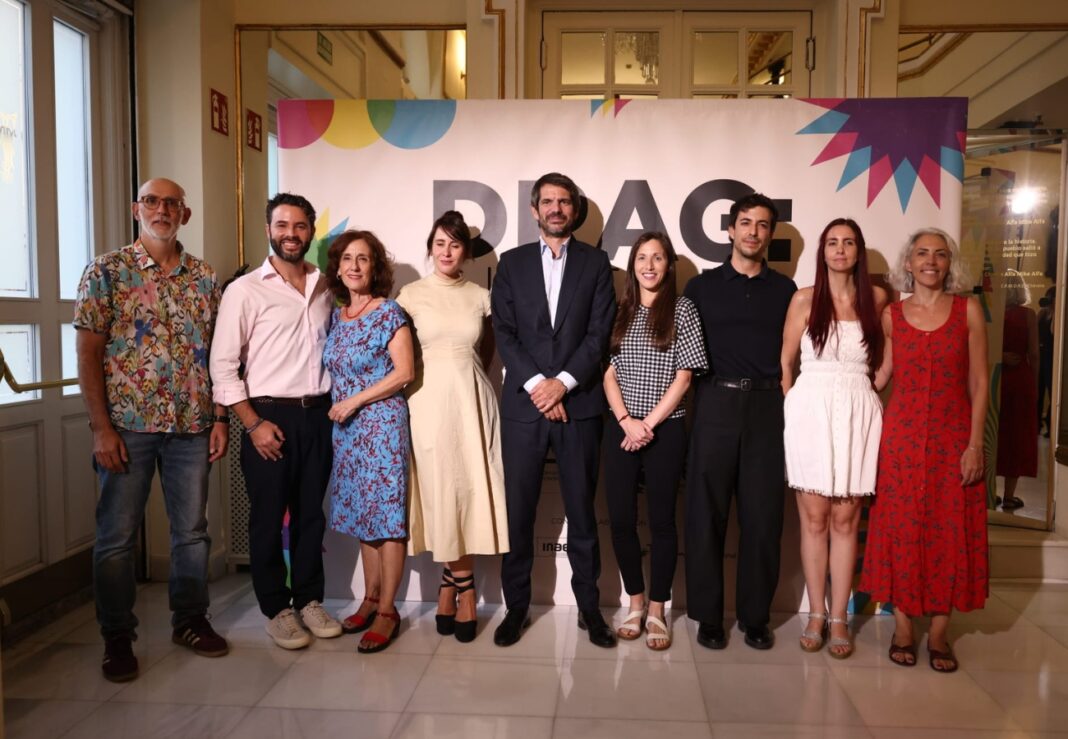
- The agreement was signed during “Drag: Proud Culture”, a gala at the Teatro María Guerrero in Madrid in front of more than 300 people, hosted by Sharonne, which traced the history of the drag scene in Spain.
- The president of FELGTBI+, Paula Iglesias, has stated that “Drag is not just an artistic school, it is a structure that saves lives.”
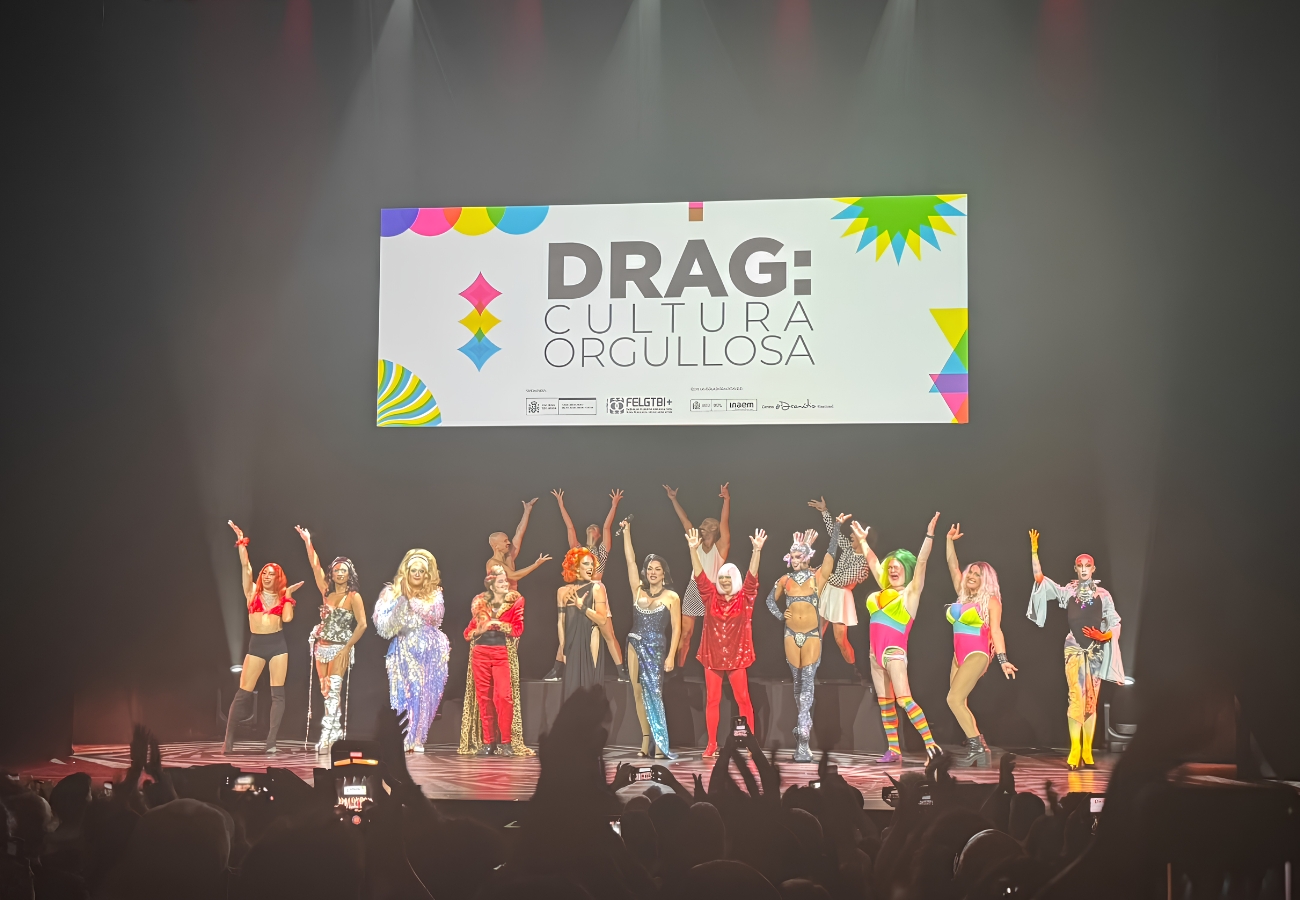
The Ministry of Culture and the State Federation LGTBI+ have held a meeting to recognize and value drag art as artistic, cultural, and social heritage in Spain. The Teatro María Guerrero in Madrid hosted this Tuesday “Drag: Proud Culture”, a gala hosted by Sharonne that, in front of more than 300 people, traced the history of the drag scene in Spain.
What is “Drag: Proud Culture”?
“Drag: Proud Culture” is a gala organized by the Ministry of Culture and FELGTBI+ that recognizes drag art as artistic, cultural, and social heritage in Spain. The meeting was held at the Teatro María Guerrero in Madrid, in front of more than 300 people, and was hosted by the artist Sharonne, who guided a journey through the history of the Spanish drag scene.
The protocol between the Ministry of Culture and FELGTBI+
During the celebration of the event, the Ministry of Culture and the State Federation LGTBI+ signed a protocol to promote drag culture and support its growth process. Both institutions have committed to work together on actions to support the different forms of artistic expression linked to drag art, and to carry out research, dissemination, and conservation of the precursor artistic disciplines, among others.
“Drag is a structure that saves lives”: Paula Iglesias’ statement
The president of FELGTBI+, Paula Iglesias, recalled during the event that “drag shows that the greatest expression of being comes from freedom and the destruction of any judgment or stereotype.” “When we talk about Drag, we are not only talking about shows, stages, and lights, but about transforming culture and language, telling our own story, and creating a refuge when other spaces become hostile. Drag is not just an artistic school, it is a structure that saves lives,” she explained.
The response from Minister Ernest Urtasun
The Minister of Culture, Ernest Urtasun, pointed out that “one of the greatest forms of discrimination, and the most common, is to question or doubt the value of certain cultural heritage, the validity of an archive, the weight and relevance of memory.” Therefore, according to Urtasun, this collaboration around drag art, framed within the Proud Culture program, “is so relevant; because it not only speaks to us of a performative artistic discipline or a form of scenic expression historically linked to the LGTBIQ+ community, but because we are actively defending a vehicle of expression of diversity, freedom, and encounter, and of values such as freedom of expression, which are essential in the present and future of our culture and our democracies.”
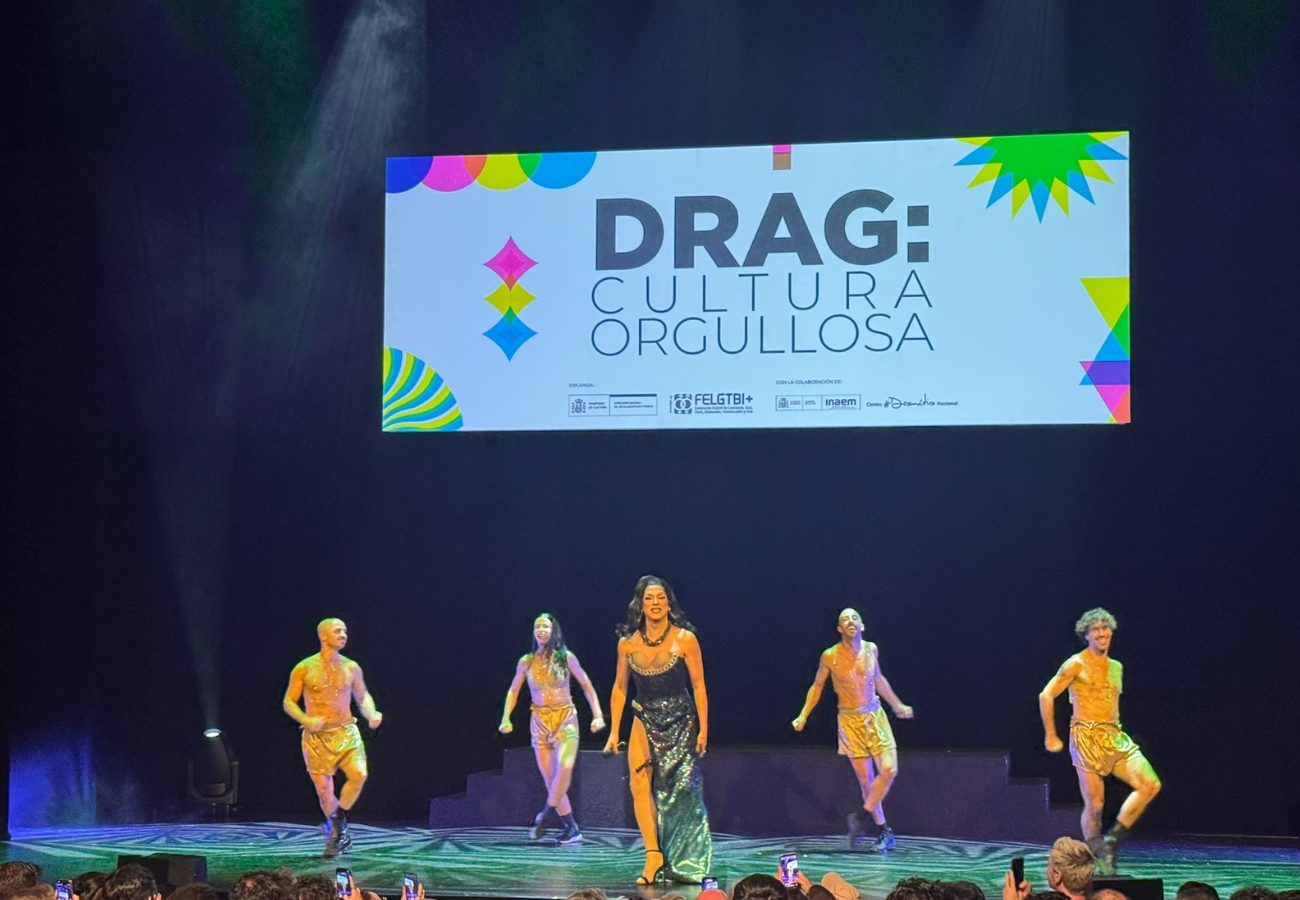
The artists who took the stage
During the event, live performances by artists from different generations, territories, and scenic languages took place: Marcus Massalami, Las Fellini, Estrella Xtravaganza, Gadyola, Psicosis Gonsales, Drag Sethlas, Marina, and Hugáceo Crujiente. The goal of the gala was to recognize the trajectory of those who, from the stages, have contributed to transforming Spanish culture, valuing a scene that has been creating its own social languages for decades, generating community and expanding imaginaries.
Questions about the drag art protocol
What have the Ministry of Culture and FELGTBI+ signed? They have signed a protocol to promote the heritage and artistic expressions linked to the LGTBI+ community, especially drag art, with commitments to research, dissemination, and conservation.
Where and when was the gala “Drag: Proud Culture” held? It was held on Tuesday, September 15, 2026, at the Teatro María Guerrero in Madrid, in front of more than 300 people.
Who hosted the event? The gala was hosted by the artist Sharonne.
What artists performed at the gala? Marcus Massalami, Las Fellini, Estrella Xtravaganza, Gadyola, Psicosis Gonsales, Drag Sethlas, Marina, and Hugáceo Crujiente.
What is the “Proud Culture” program? It is the framework of the Ministry of Culture in which this collaboration with FELGTBI+ is framed to recognize and protect the artistic expressions linked to the LGTBIQ+ community.