


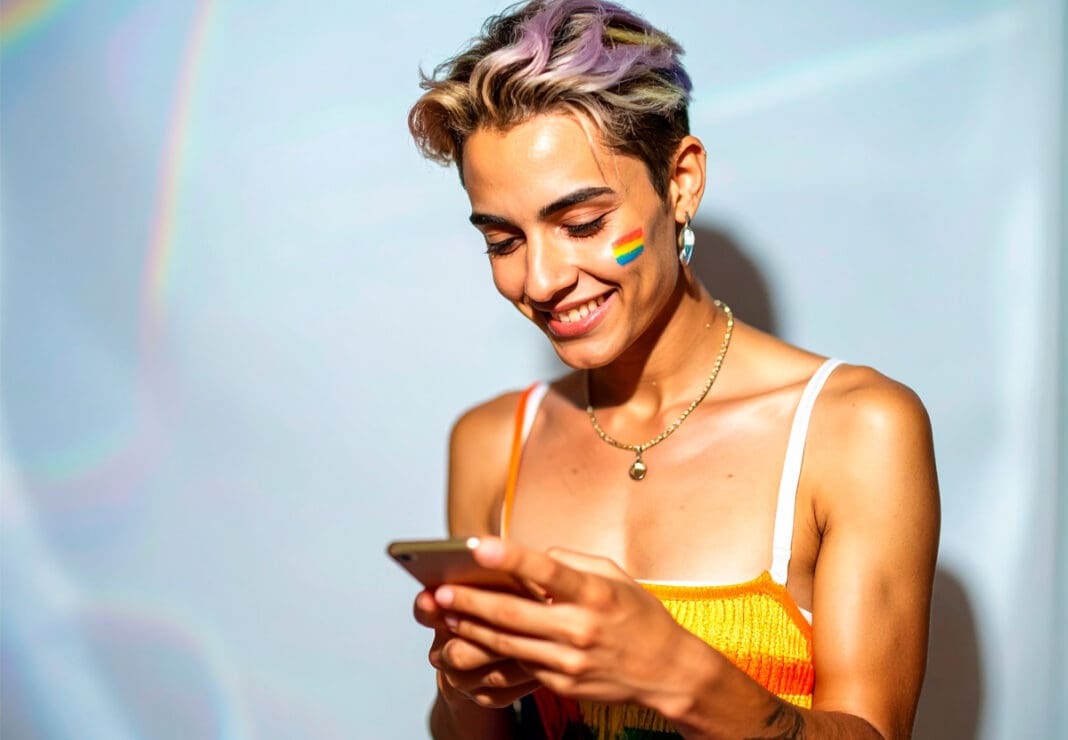
In today’s digital age, technology has radically transformed the way we interact, access information, and strengthen our communities. Digital tools and applications have become essential, particularly for the LGTBIQ+ community, which often faces specific challenges. This article explores how inclusive technology fosters connection, information, and protection for this community, while examining the accessibility and effectiveness of such solutions.
The importance of inclusive technology
The term “inclusive technology” refers to those digital tools that seek to eliminate barriers and facilitate the participation of all people, regardless of their gender identity, sexual orientation or abilities. In this context, many applications have been developed with the aim of responding to the specific needs of the LGTBIQ+ community. From socialization platforms to information tools, these applications offer a safe and accessible space for their users.
Socialization and connection applications
Dating apps like Grindr and HER have transformed the way LGTBIQ+ people meet and socialize. These platforms not only allow you to connect with other people, but also offer educational resources on sexual health, rights, and community events. HER, in particular, is a leading example, focusing on creating a safe space for lesbian and non-binary women, encouraging inclusion and diversity.
However, despite their popularity, it is essential to question the security of these applications. How protected is user data? Privacy is a constant concern in a world where personal information can be easily exposed. Weighing the convenience of the connection against the risks involved is a dilemma that all users must consider.
Information tools and resources
In addition to socialization applications, there are multiple digital tools that serve as sources of information for the LGTBIQ+ community. Platforms like GLAAD and the Human Rights Campaign offer resources on civil rights, laws and policies that affect this community. These spaces not only inform, but allow users to actively get involved in defending their rights.
Social networks also play a crucial role. Twitter and Instagram have become platforms where experiences are shared and discrimination is denounced. These tools not only inform, but allow the community to come together and create meaningful social movements.
Care and health applications
Mental health is another critical aspect that has been addressed by applications designed for the LGTBIQ+ community. Apps like Pride Counseling offer psychological support to people who may feel isolated or in crisis due to their sexual orientation. These tools allow users to access mental health professionals who understand their specific experiences and needs.
However, the effectiveness of these applications can be questioned. Are they really accessible to everyone? What happens to those who do not have access to advanced technology or the internet? These questions open a debate about equity in access to health resources.
Technology and inclusive applications have created a vital space for the LGTBIQ+ community, allowing not only connection and access to information, but also more comprehensive care. However, it is essential to continue questioning its accessibility and effectiveness. Are we really doing enough to ensure that all voices are heard in the digital realm?
The future of inclusive technology depends on our ability to adapt and evolve. It is essential that app developers work collaboratively with representatives of the LGTBIQ+ community to ensure that their needs are represented and that the tools are truly inclusive for everyone.
Despite the obvious benefits of inclusive apps, it’s important to note that not all developers have good intentions. There are conflicts of interest, where some platforms may prioritize profit over the well-being of the community. This begs the question: how can we ensure that apps truly serve the community and not just their creators? Transparency and accountability are essential in this debate.
In conclusion, inclusive technology is an invaluable resource for the LGTBIQ+ community, but it is not without challenges. Questions about access, privacy, and purpose are essential to continuing to build a safe and welcoming digital environment. Technology has the power to unite, inform and care, but it is up to all of us to ensure it is used ethically and equitably.