
The Costa Daurada brings together for the first time on a platform all the information about the accessibility of its beaches and turns applied research into a tool for inclusion.
Planning a beach day seems like a simple task. However, for thousands of people with disabilities, elderly people, families with strollers, or travelers with reduced mobility, that decision begins with a question that does not always find an answer: Will the beach really be accessible?
In the height of summer, when millions of people travel along the Spanish coasts, an initiative driven by the university seeks to break down one of the least visible, but most frequent barriers: the lack of information.

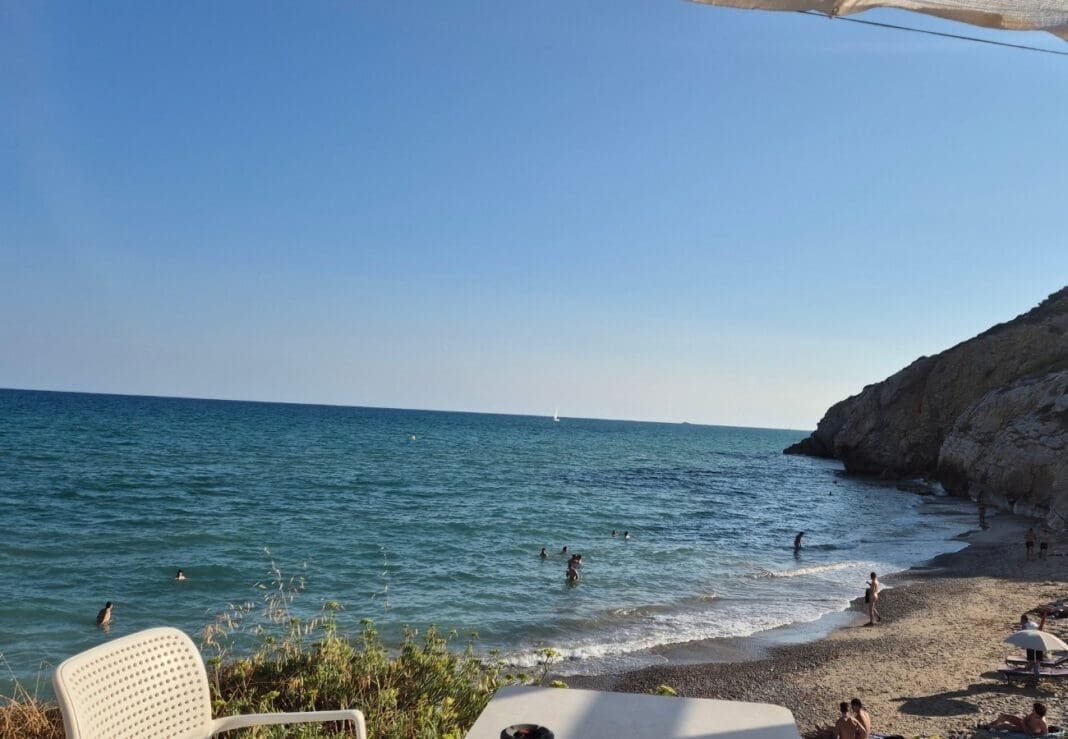
The Chair of Innovation and Tourism Research Salou–Costa Daurada, led by researcher Marta Nel·lo, presented an interactive map that brings together, for the first time, all the information about the accessibility of the 78 beaches and coves distributed across the 13 municipalities of the Costa Daurada. The tool allows for quick and easy consultation of the services available at each beach, making it easier for anyone to plan their visit with clear and updated information.
The proposal stems from a simple idea, but with a profound social impact: accessibility begins long before reaching the sand.
Access to information is also a right
For years, information about accessible beaches remained scattered among municipal websites, tourist offices, and different administrations. For many people, finding reliable data meant navigating multiple websites, comparing information, or simply giving up on the outing due to uncertainty.
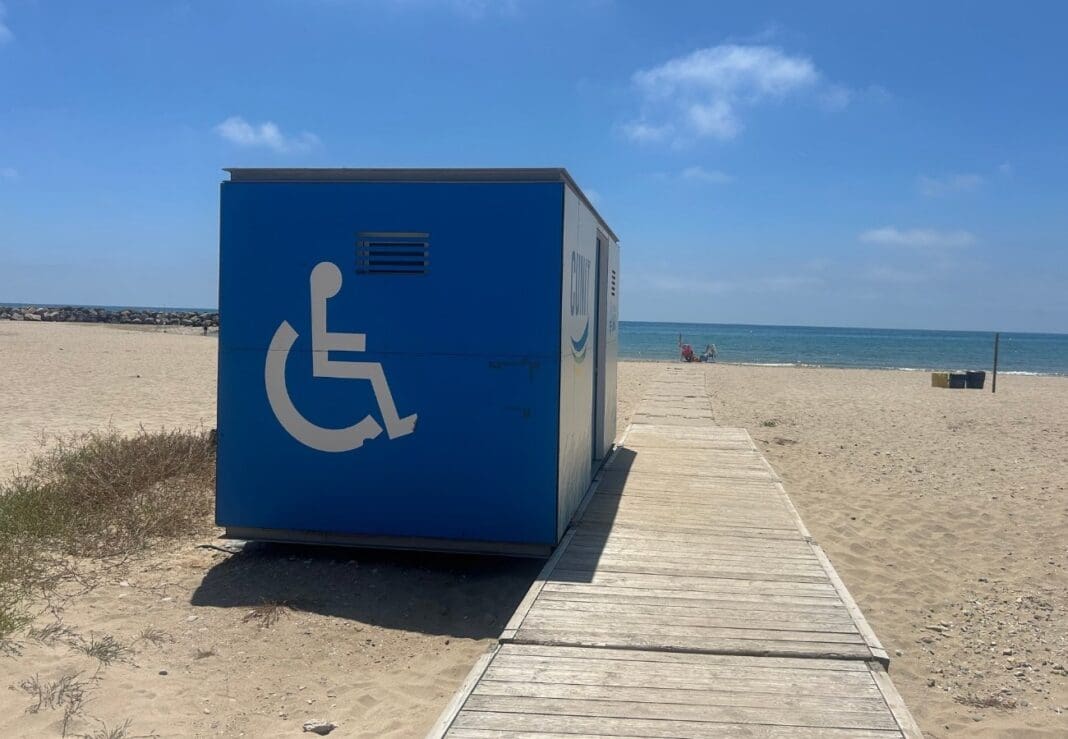
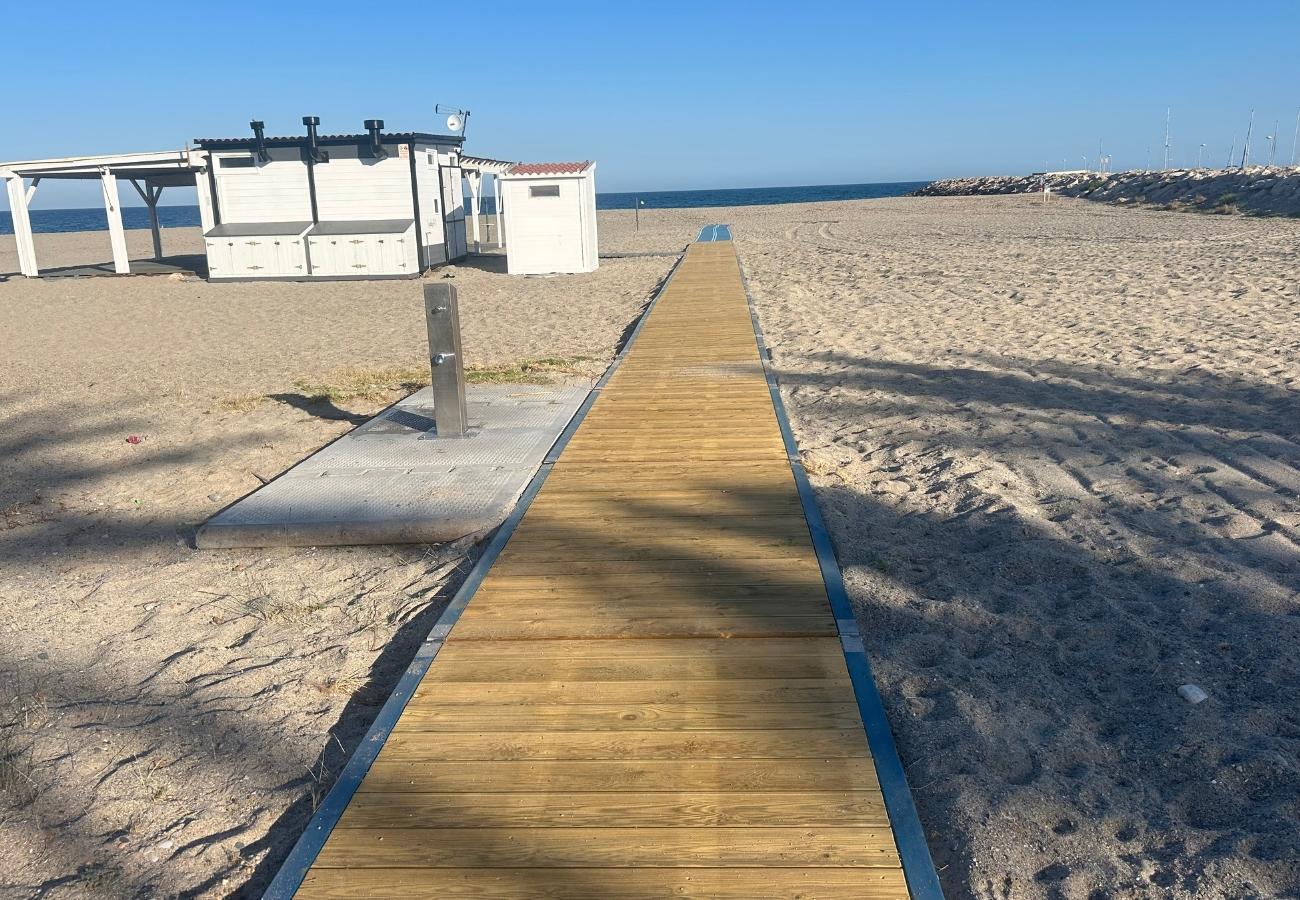
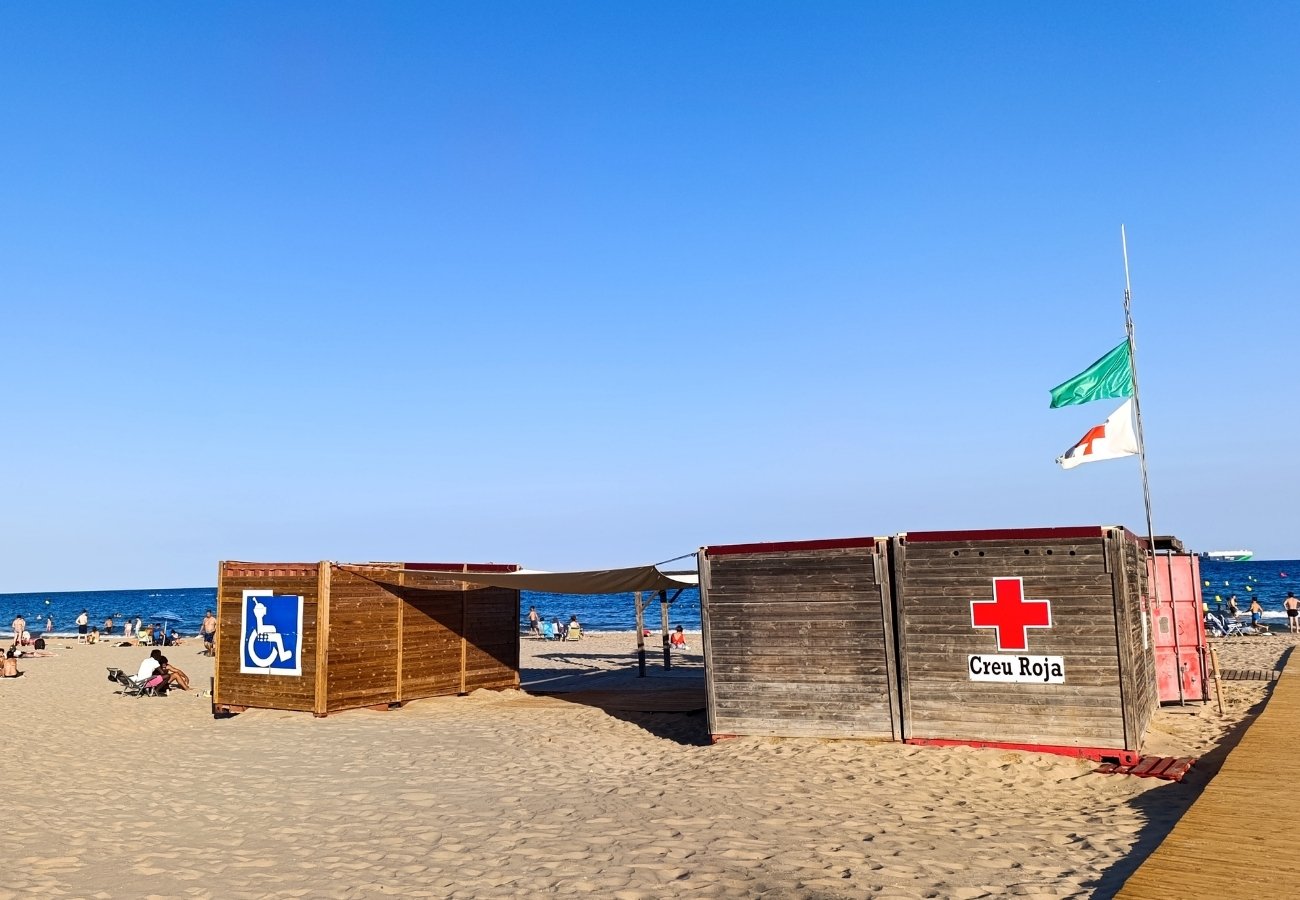
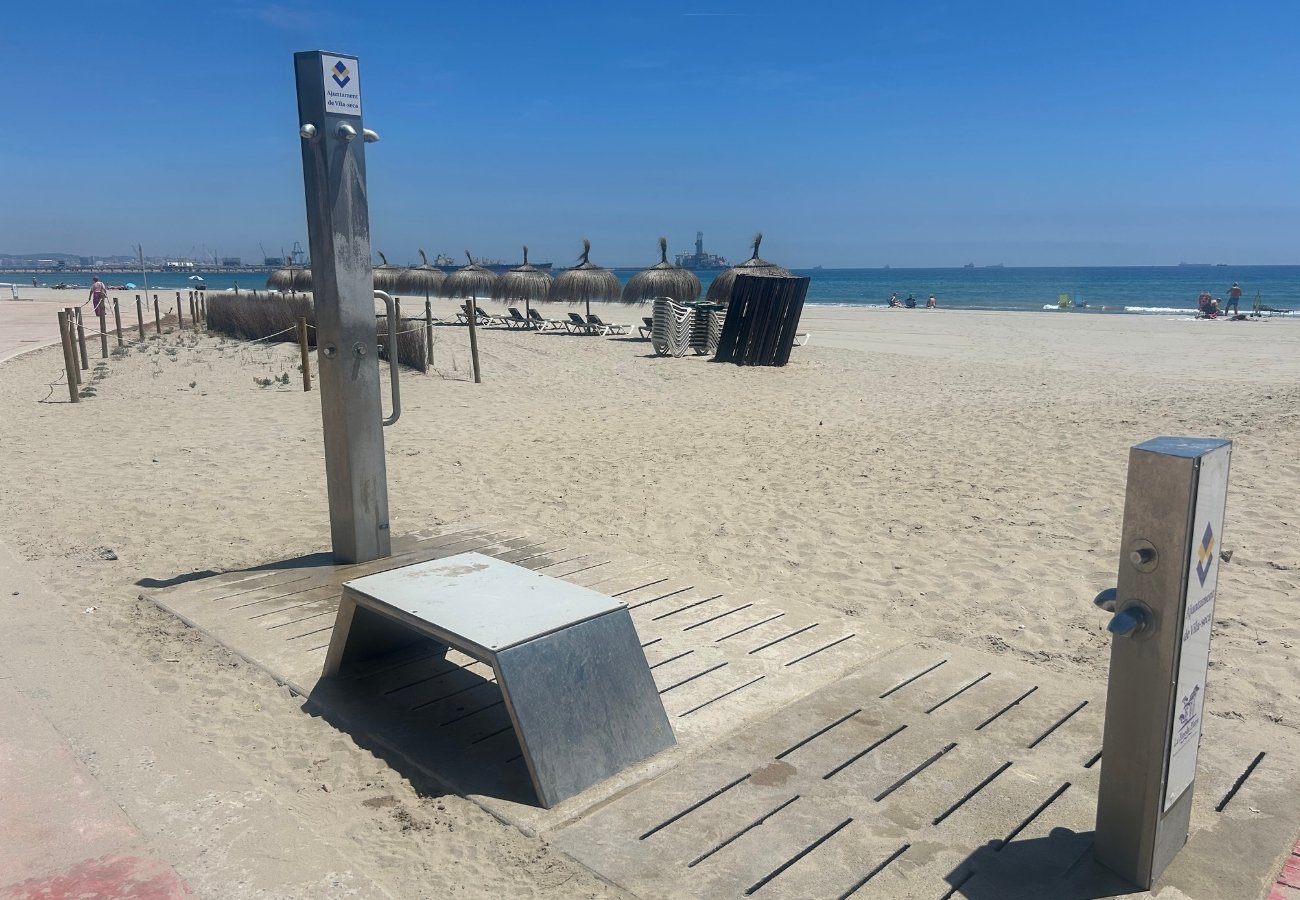
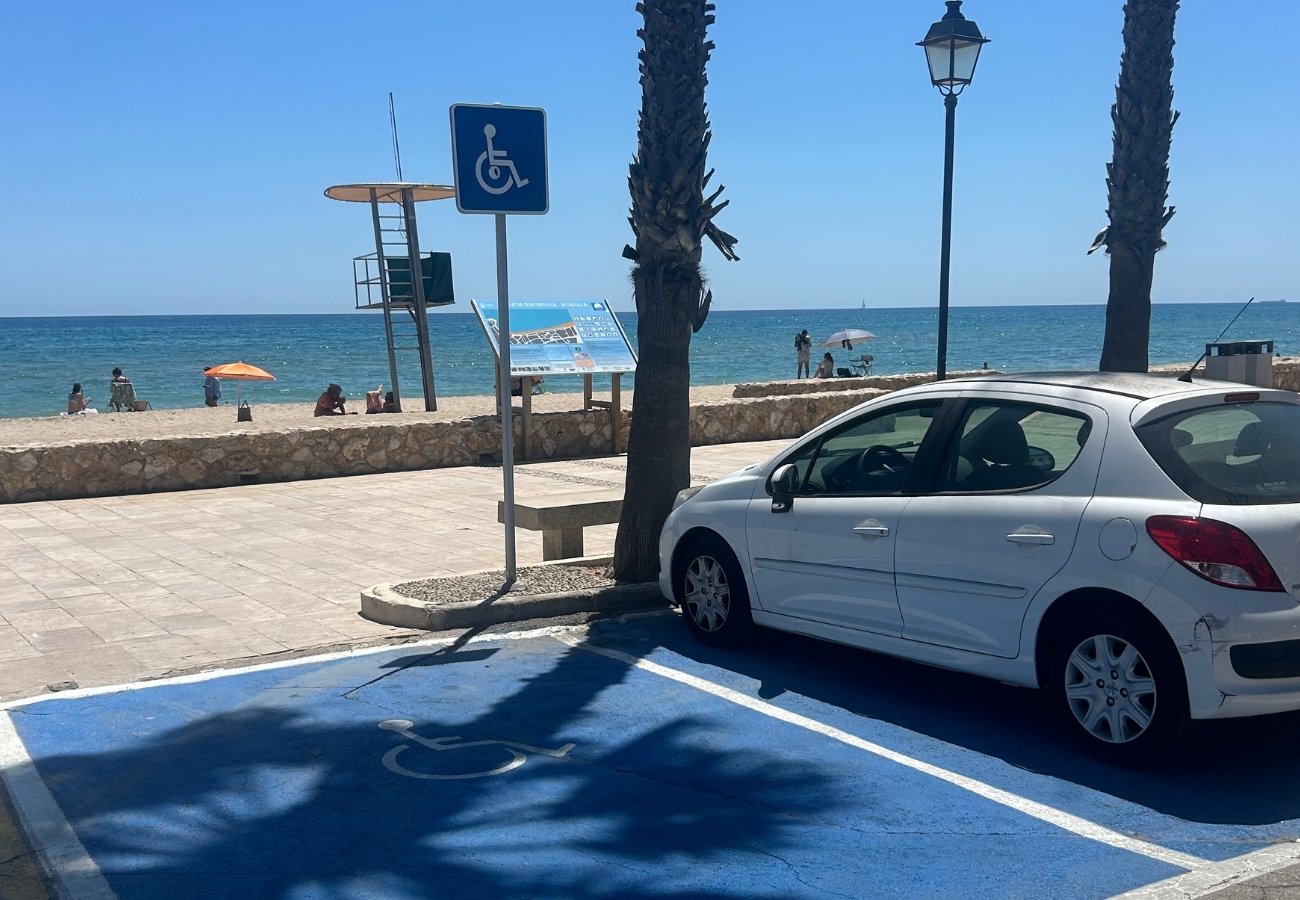
The new map concentrates that data on a single platform and allows users to know if a beach has essential elements such as access ramps, walkways, reserved parking spaces, amphibious chairs, assisted bathing service, adapted toilets, or accessible areas, among 17 other indicators of accessibility and quality.
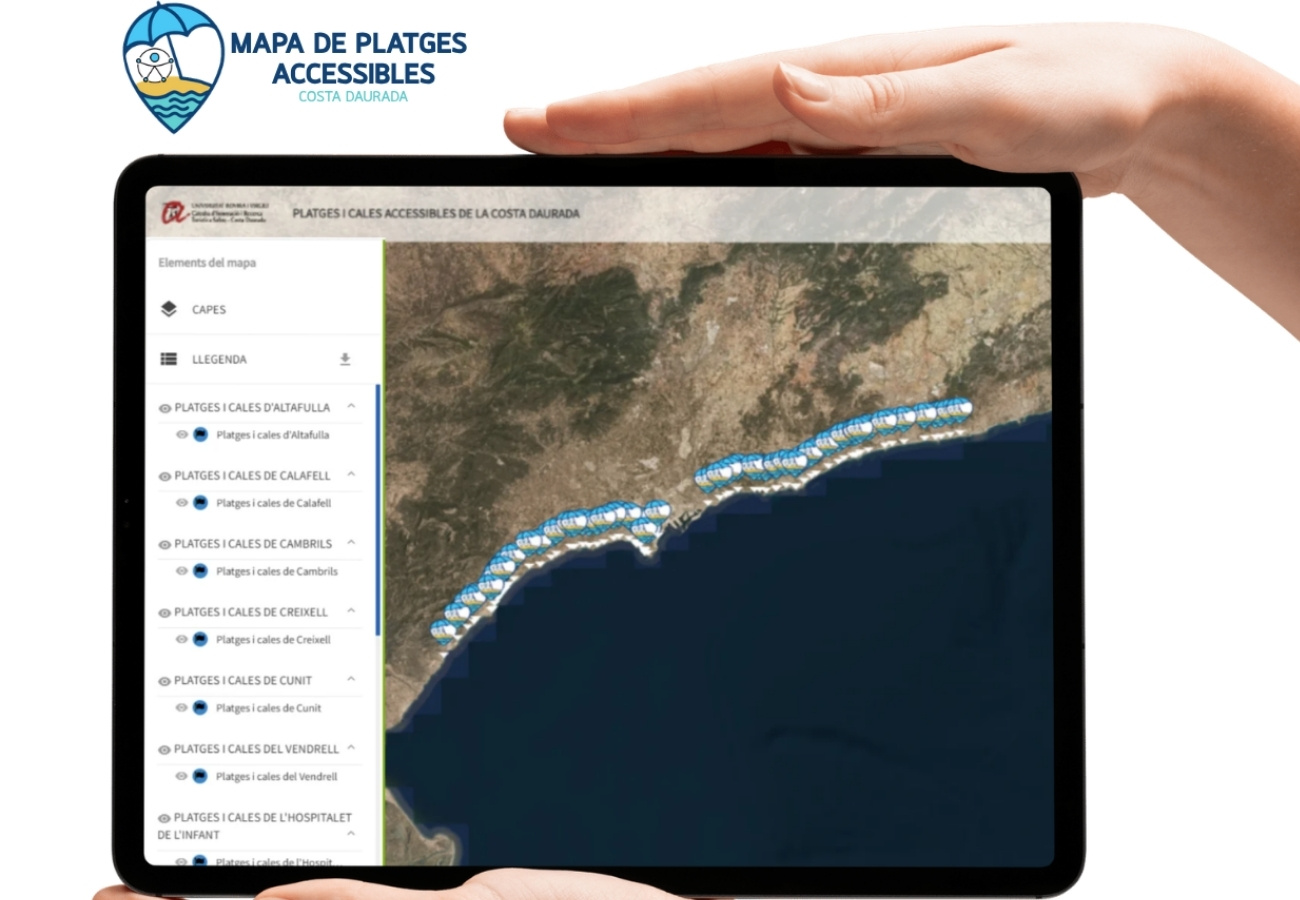
The tool arises from a previous study conducted by the chair itself, which thoroughly analyzed the 55 beaches and 23 coves of the Tarragona coastline. That research work was not limited to the academic sphere: it transformed into a practical solution to improve people’s experiences.
When research leaves the university
The project represents an example of applied social research. Instead of producing only diagnoses, it turns the knowledge generated by the university into a useful tool for citizens and public administrations.
In addition to the service for those visiting the beaches, the map offers a comprehensive view of the coastline that will allow municipalities to detect shortcomings, compare resources, and plan future investments in accessibility.

The platform also incorporates a participatory component: any user can communicate new services or report changes and elements that require updating, thus promoting a continuous improvement of the available information.
Inclusive tourism: a trend that is no longer a niche
Spain consolidates each year as one of the main tourist destinations in the world. But the challenge is no longer just to attract visitors, but to ensure that all people can enjoy the destinations on equal terms.
Universal accessibility has ceased to be understood as a specific adaptation to become a central element of tourist quality. It benefits not only people with permanent disabilities but also elderly people, pregnant women, families with young children, or those experiencing a temporary mobility limitation.
In a context marked by the aging of the European population and increasingly diverse tourism, having accessible information becomes a decisive factor in choosing a destination.
A model with potential for other beaches and regions of the world
Although the initiative is developed in the Costa Dorada, its reach transcends the Catalan territory. Many tourist destinations face similar challenges: beaches with infrastructure improvements but with fragmented or hard-to-find information.
Experience shows that technological innovation, when combined with academic research and public policies, can generate low-cost solutions with high social impact.
For regions with a strong dependence on tourism, having tools that allow for planning trips from an inclusive perspective not only expands rights but also strengthens the competitiveness of destinations and promotes a more sustainable tourism model.
A summer to rethink accessibility
While thousands of people enjoy the Spanish beaches this summer, initiatives like this remind us that inclusion does not solely depend on building ramps or installing walkways. It also involves ensuring that information is clear, accessible, and available to everyone even before preparing the backpack.
Because traveling with autonomy begins long before reaching the sea. It begins when each person can freely decide where they want to be, with the certainty that the destination has also thought of them.