

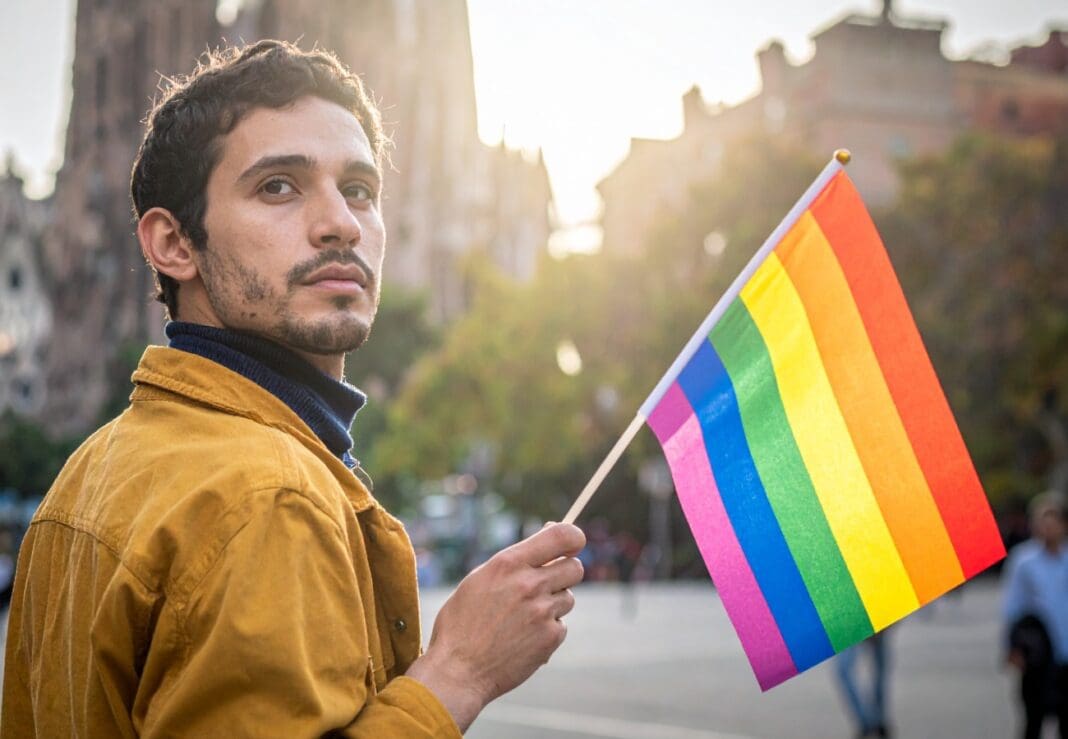

Catalonia approves a new comprehensive law against LGTBIphobia and strengthens the protection and equality of the community, while establishing a robust sanctioning regime to deter any type of discrimination.
The Parliament of Catalonia has marked a new milestone in the defense of human rights. With a broad consensus, the result of the initiative of several political forces (PSC-Units, Junts, ERC, Comuns and the CUP) and direct collaboration with entities such as the Observatori contra l’LGTBIfòbia, a law has been approved that seeks to eradicate LGTBIphobia in the territory. This new regulation is not a simple update, but the repeal of the previous law, in force for 11 years, to open “a new phase”, as pointed out by ERC deputy, Tània Verge.
This legal step consolidates the guarantees of equal treatment and non-discrimination, with a particular focus on making effective the right to free self-determination of gender identity and expression in both the public and private spheres.
The New Sanctioning Regime: A Stronger Shield
One of the most significant transformations of the law focuses on the expansion and tightening of its sanctioning regime. The goal? Put a forceful end to LGTBIphobic behavior.
The rule considerably increases the scope of what is considered an infraction and, in parallel, increases the protection offered to victims throughout the reporting process. The sanctions have been classified according to their severity, and can range from 300 euros to the impressive figure of 500,000 euros for the most serious offenses.
Among the new cases that constitute a violation, include:
- Intentional misgendering: Not deliberately addressing a person with the name or gender with which they identify.
- Discriminatory clauses: Include in legal transactions any type of clause that causes discrimination for reasons of sexual orientation, gender identity, gender expression or sexual characteristics.
- Prohibition of Conversion Therapies: The law explicitly prohibits so-called “conversion therapies” and sets clear limits on their promotion in any space.
In addition, the use of symbols of the LGTBI community in publicly owned spaces and buildings is promoted.
An Intersectional Approach for Maximum Protection
The law adopts an intersectional perspective, crucial to offering special protection to the most vulnerable citizens, such as trans and intersex people. This approach also extends to the protection of migrants, racialized people and refugees within the LGTBIQ+ community.
The legal text establishes the duty of public administrations to:
- Create spaces for democratic memory of the LGTBIQ+ movement and trans people.
- Work to repair the historical invisibility of lesbians.
In order to guarantee coordinated and close care throughout the Catalan territory, the new legislation promotes the creation of the Comprehensive Care Services Network, which will bring together the LGTBI Comprehensive Care Services (SAI) and the LGTBI information points. This network, together with a greater provision of resources, seeks to give meaning to the law through effective public policies.
Voices in Favor and the Challenge of the Opposition
The approval has been celebrated by the driving forces, who have described it as a “pride” and a defense of human rights. The parliamentarians of the CUP, ERC, Junts and Comuns have agreed on the need for this law as a response to the “global reactionary offensive”, although they have pointed out the importance of providing it with more resources for its full implementation. Elena Díaz, of the PSC, has applauded the legal “solidity” of the norm in the face of the unfortunate reality that some people still have to “hide their love.”
However, the consensus was not unanimous. The PP, Vox and Aliança Catalana have voted against. The strongest opposition has come from the PP, which has threatened to take the law to the Constitutional Court (TC), alleging that the recognition of gender self-determination “erases women” by putting identity before biological sex. Other far-right groups have questioned a citizen’s ability to decide their gender expression and identity.

Given this panorama, which mixes historical progress with political resistance, do you think that the toughening of sanctions and the broad legal framework are enough to transform social prejudices and guarantee real equality in the daily lives of all LGTBIQ+ citizens? In what way can the creation of spaces of democratic memory help the present struggle? –