

Slovenia, a small country in the heart of Europe, has become a reference destination for those seeking to connect with nature. Known for its stunning lakes and majestic mountains, this beautiful corner offers a unique experience that promotes inclusivity and sustainability.
The Beauty of the Slovenian Lakes
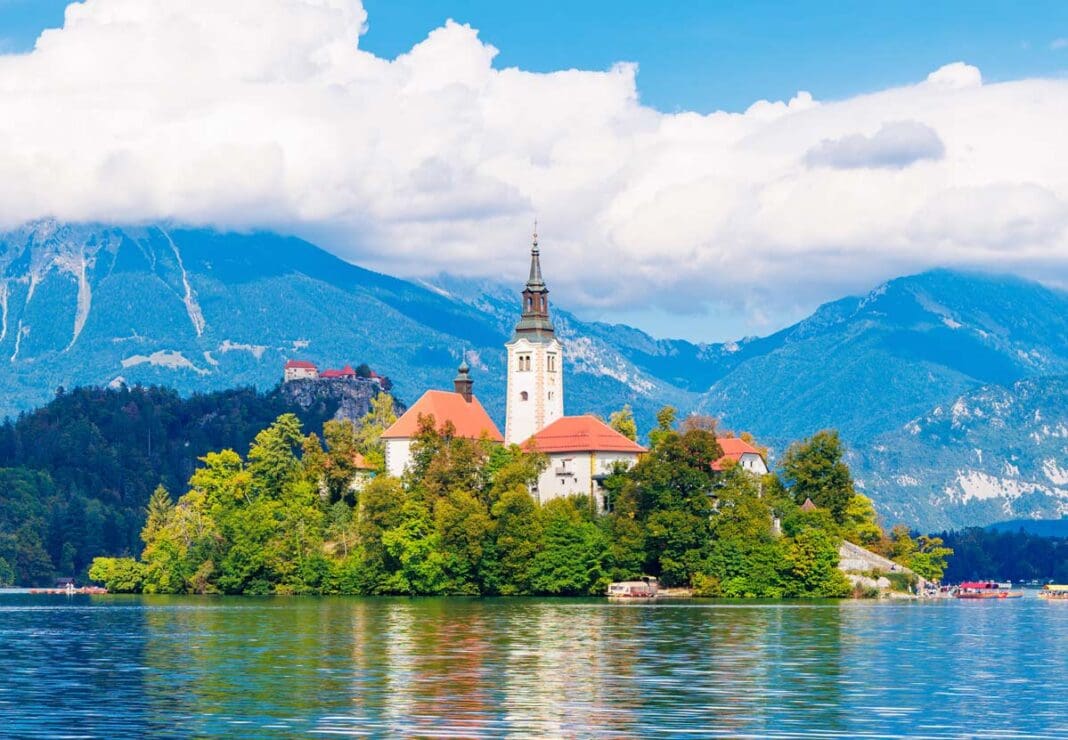
One of the most outstanding natural treasures of Slovenia is the Lake Bled, an icon that attracts tourists from all over the world. This lake, surrounded by mountains and with a small island in its center, offers activities for everyone. From boating to hiking the surrounding trails, inclusivity is a priority. In recent years, improvements in accessibility have been implemented, allowing people with reduced mobility to enjoy its magic.
Besides, Lake BohinjLesser known but equally beautiful, it offers a quieter setting and a variety of outdoor activities. Here, you can practice water sports, such as kayaking, and enjoy hiking trails that suit different skill levels. Accessibility in these spaces has become essential to ensure that all visitors can immerse themselves in the tranquility of nature.
Mountains that invite inclusion
The mountains of Slovenia are another of its great attractions. The Julian Alps mountain range is home to the country’s highest peak, Triglav, which, although challenging, offers routes that have been adapted for easier access. For example, the use of paved roads and proper signage have meant that more people can experience the majesty of this region.
Triglav National Park, which surrounds this mountain, has implemented programs that promote inclusive hiking. Trained guides help people with different abilities enjoy nature safely and effectively. The goal is that each person, regardless of their physical condition, can feel part of this experience.
Activities for Everyone
In Slovenia, outdoor activities are varied and designed to include everyone. From adapted bicycle routes to yoga workshops in nature, the offer is wide. Local initiatives seek to promote tourism that not only respects the environment, but is also inclusive and accessible.
A notable example is the “Senderos Inclusivos” project, which has created accessible routes in different parts of the country. These trails are designed so that people with disabilities can enjoy nature without barriers. This is an example of Slovenia’s commitment to sustainable and responsible tourism.
Reflection on Inclusion
However, despite advances in accessibility, challenges still remain. Implementing infrastructure improvements sometimes encounters obstacles such as lack of resources or resistance to change. Are we doing enough to ensure that everyone can enjoy the beauty of Slovenia? These questions are key to reflecting on the future of inclusive tourism in the country.
The Commitment to Sustainability
Slovenia is not only concerned with inclusion, but also with sustainability. The preservation of its natural environment is essential. Local authorities and organizations work hard to balance tourism and conservation. This translates into lake and mountain cleaning campaigns, as well as the promotion of sustainable practices among visitors.
The combination of inclusivity and sustainability is an aspect that sets Slovenia apart. By promoting respect for nature and ensuring that everyone can enjoy it, the country is positioning itself as a role model for other tourist destinations.
Slovenia is, without a doubt, a natural paradise that is taking significant steps towards inclusion. With crystalline lakes and imposing mountains, it offers a space where each person can connect with nature and find their place in it. However, it is crucial to continue to question and evaluate our actions to ensure that progress towards inclusive and sustainable tourism continues.
What more can we do to improve accessibility in our natural spaces? How can we involve more people in conserving our environment? These are questions that we hope will continue to resonate with visitors and residents of this beautiful country.