

- The Upper House ratifies the bill that establishes sanctions for the promotion of homosexuality and gender reassignment.
- The regulations contemplate financial fines, community work and administrative arrests of up to 15 days.
- Human rights organizations warn of a deterioration in civil liberties in the country after the approval of this measure.
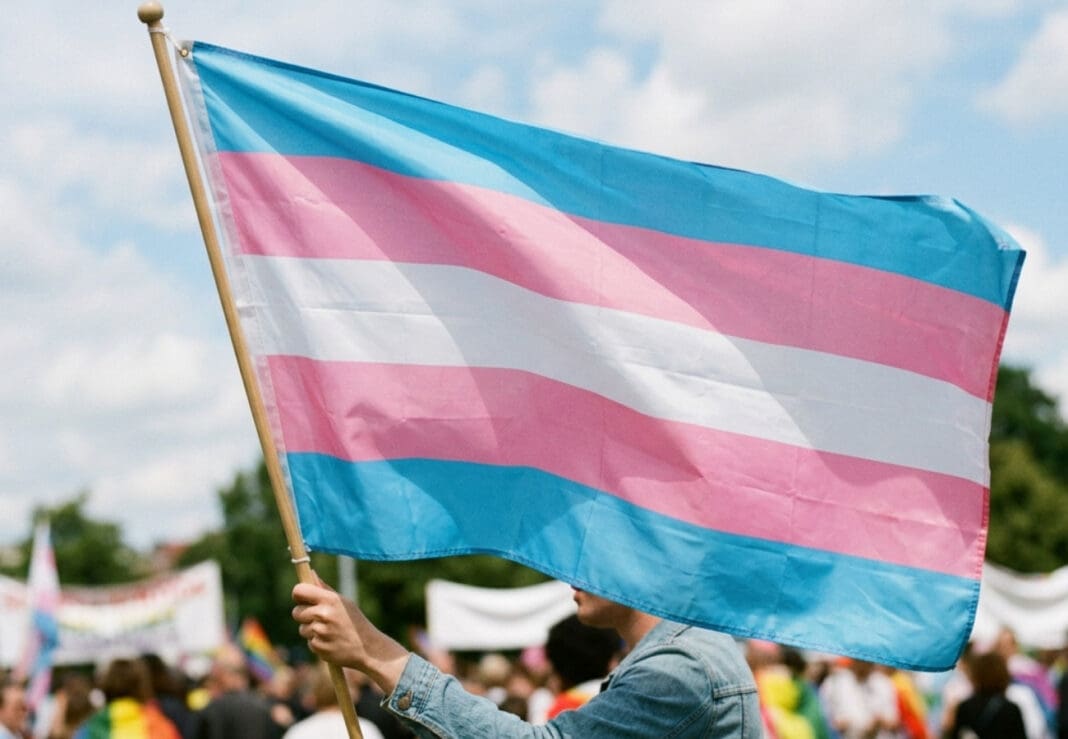
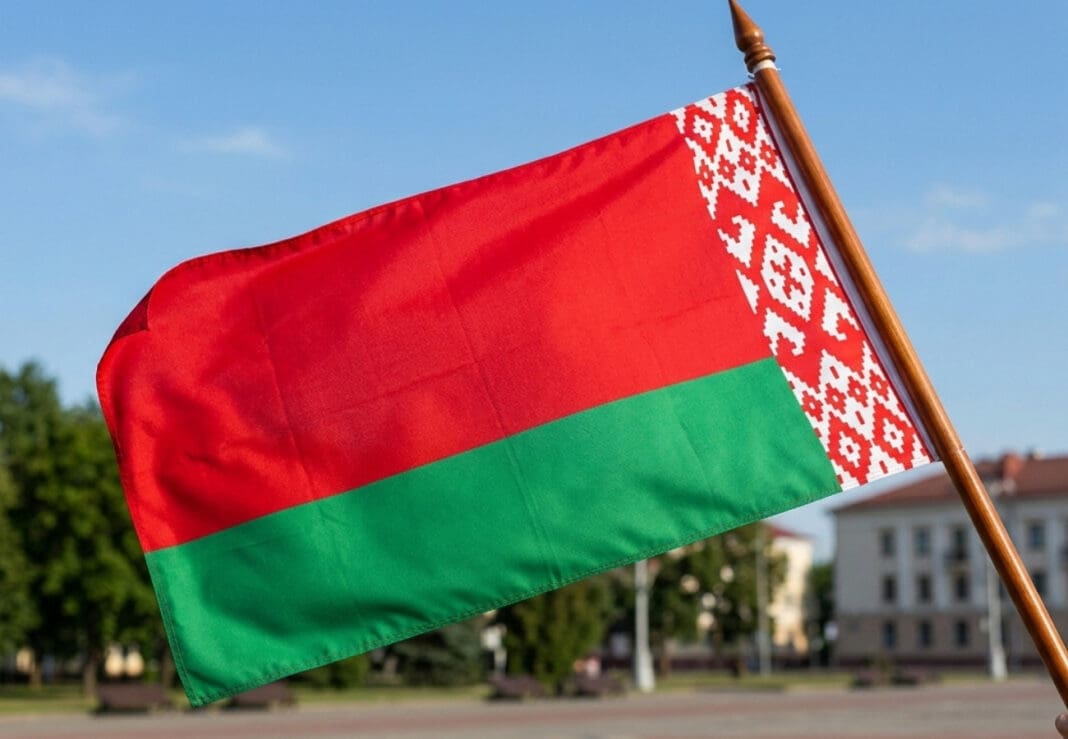
The legal framework of Belarus has undergone a significant change following the parliamentary approval of a new law that restricts freedom of expression on sexual diversity. The Council of the Republic, the upper house of Parliament, has ratified this week the bill that introduces penalties for what the authorities classify as “promotion of homosexuality, gender reassignment and pedophilia”, unifying concepts of different natures under the same punitive umbrella.
Details of the new regulations and sanctions
The new LGTBIQ+ law of Belarus establishes a regime of administrative sanctions for those accused of disseminating or promoting this type of content. According to the approved text, violations may be punished with considerable financial fines, the provision of community services or even administrative arrest for a period of up to 15 days.
This legislation, which now only requires the signature of President Alexander Lukashenko to come into force, comes against a backdrop of growing pressure on social activism in the country. Although homosexuality was decriminalized in Belarus in 1994, the State does not recognize any type of union between people of the same sex nor does it offer specific legal protections against discrimination based on sexual orientation or gender identity.
Concern for fundamental rights
Various NGOs and international organizations have expressed their concern about what they consider to be a step backwards in the protection of fundamental rights. The new LGTBIQ+ law in Belarus could represent, according to experts, an added obstacle to access to health care for trans people and a legal framework that facilitates the definitive closure of the few support platforms that still operated discreetly in the capital.
Local activists have noted that the environment for the group has become noticeably more complex in recent years, with increased inspections at private events and closer surveillance by security agencies. With the ratification of this law, Belarus aligns its internal policy with that of other countries in its regional environment, prioritizing a restrictive vision of the rights of expression and identity in the face of international equality standards.