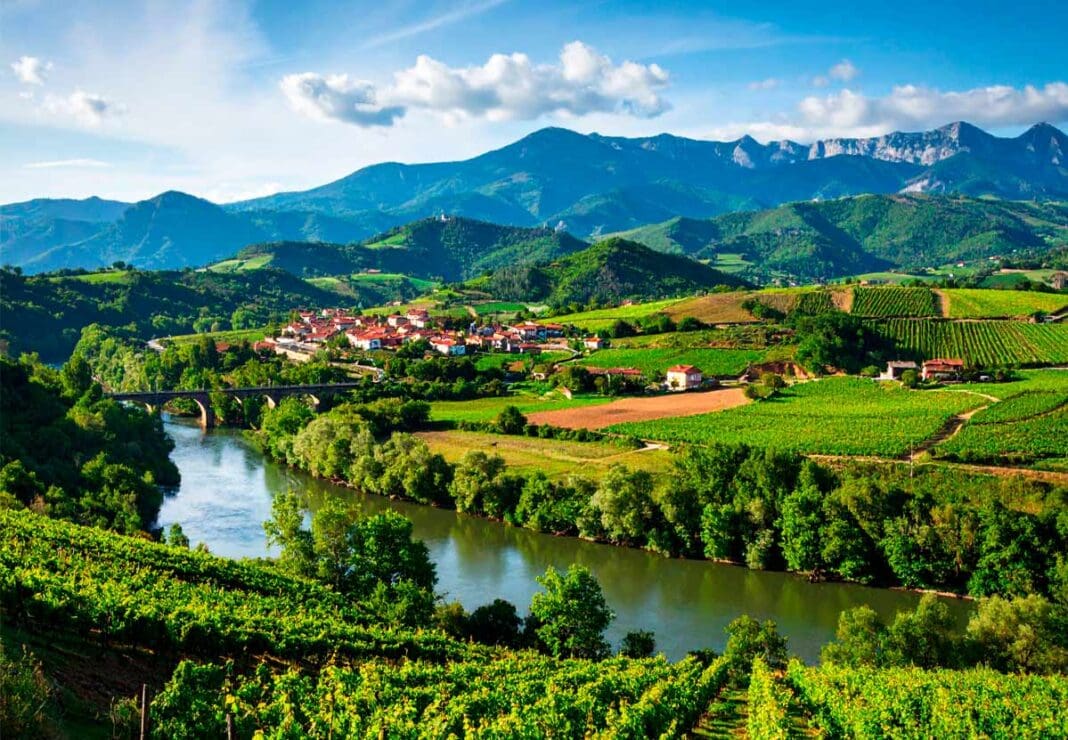



The intersection between ecology and gender dissidence has given rise to a fascinating and necessary phenomenon within the rural environment. “Rainbow rurality” emerges as a space where queer identities and environmental sustainability intertwine, creating a new paradigm that challenges traditional notions of community, production and coexistence. In this article, we will explore how diversity is experienced in rural environments and the sustainable projects led by queer people that are transforming landscapes and mentalities.
Diversity in the Field
Historically, rural environments have been perceived as conservative spaces, where heteronormative norms tend to prevail. However, increasingly, we find examples of how LGTBIQ+ people are challenging these perceptions. In places where queer visibility is still limited, rural communities are becoming spaces of resistance and creativity.
Diversity in the countryside not only refers to the diversity of identities, but also to the diversity of agricultural and living practices. Queer activist groups are creating agricultural cooperatives, promoting organic farming, and encouraging sustainable living practices that respect both people and the planet. How does this diversity manifest itself in daily life? What challenges do queer communities face in rural settings?
Sustainable Projects Led by Queer People
One of the most interesting aspects of rainbow rurality are the projects that seek to combine ecological sustainability with social inclusion. In Spain, initiatives such as “Rainbow Gardens” have emerged, where organic farming is promoted and safe spaces are offered for the LGTBIQ+ community. These initiatives allow us not only to grow products, but also to cultivate connections, creating networks of support and solidarity.
Cooperatives and Community Gardens
Cooperatives are a model that has proven to be effective. By joining forces, queer people can create spaces where diversity is celebrated and where agricultural production is carried out in an environmentally friendly manner. These spaces not only focus on growing food, but also include workshops, cultural activities and events that promote inclusion.
Inspiring Examples
Projects like “La Casa de los Huertos” in Andalusia have taken the idea of rainbow rurality to a new level. Here, sustainable agricultural practices are developed, workshops on ecology and diversity are offered, and an environment is created where all identities are welcome. These types of initiatives not only help the community, but also encourage a change in the perception of the field as a hostile space for queer identities.
Ecology as a Space of Resistance
Ecology becomes a tool of resistance for queer communities. By practicing agriculture that respects biodiversity and promoting sustainable lifestyles, these communities are challenging capitalist production models that often strip both people and land of their value.
The connection with the earth is essential. For many queer people who have experienced rejection in urban settings, the countryside offers a space for healing and reconnection. This return to nature not only implies a change in the way of production, but also a revaluation of human relationships and the environment.
However, important questions arise. Can rainbow rurality really hold up in the face of the pressure of capitalism and globalization? What happens when queer initiatives start to attract tourism attention? Is there a risk that these initiatives will lose their essence and become mere consumer products? These are questions that invite reflection on the future of queer rurality and its role in the fight for a more just and sustainable world.
It is vital to also consider the criticisms that arise around queer ecology. Some argue that by focusing on sustainable projects, we can fall into the trap of “eco-capitalism”, where sustainability becomes a fad rather than a real commitment to the environment and communities. Furthermore, the romanticization of rural life can ignore the difficult realities that many queer people face in these settings, such as social isolation or lack of access to basic services. Are we really addressing the needs of all communities or just a few?
queer ecology and rainbow rurality represent a powerful intersection between identity and sustainability. As more queer people mobilize to create inclusive and sustainable spaces, it is essential to continue exploring and questioning the dynamics that arise in these contexts. The initiatives that are emerging are not only transforming the rural landscape, but are also challenging social norms and fostering a more inclusive vision of what it means to live in harmony with the land and each other.
The questions remain open: how can we strengthen these initiatives and ensure that they are truly inclusive and sustainable? What role will the LGTBIQ+ community play in building a greener and fairer future? The answer may lie in dialogue and collaboration between all identities, where diversity is not only accepted, but celebrated.