


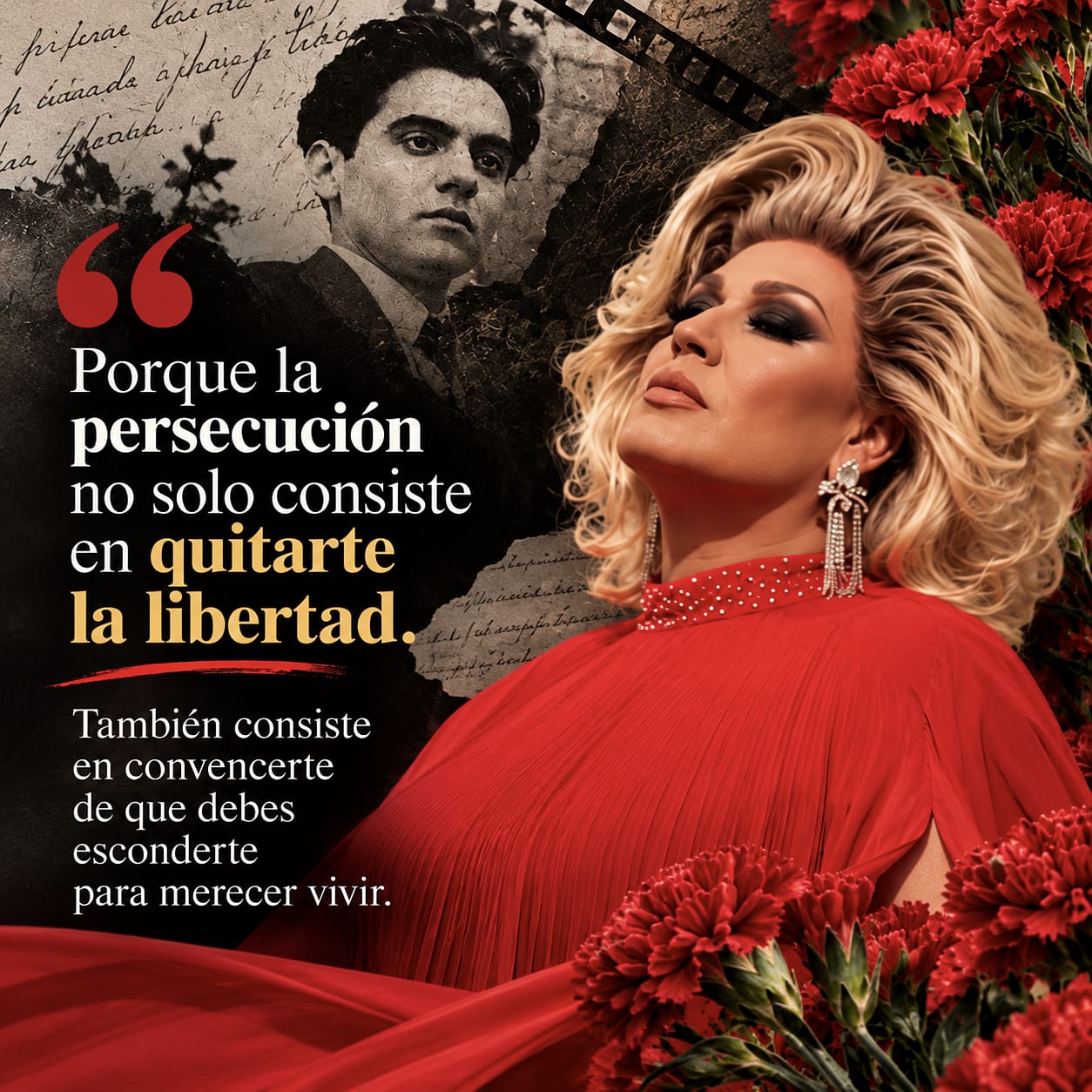
Yesterday I saw The Black Ball and I kept thinking about all the people who had to hide to survive. About those who loved in silence, pretended to be who they were not, and took to the grave stories they could never tell. Because persecution is not just about taking away your freedom. It is also about convincing you that you must hide to deserve to live.
The film by Javier Calvo and Javier Ambrossi, connected to the universe of Federico García Lorca, confronts us with a memory that for too long was wanted to be buried: that of those who were marked, persecuted, and silenced for loving in a way that society was not willing to accept. And that memory is not a thing of the past. It challenges us today, when there are those who seek to whitewash repression, question the rights won, and turn diversity into a problem.

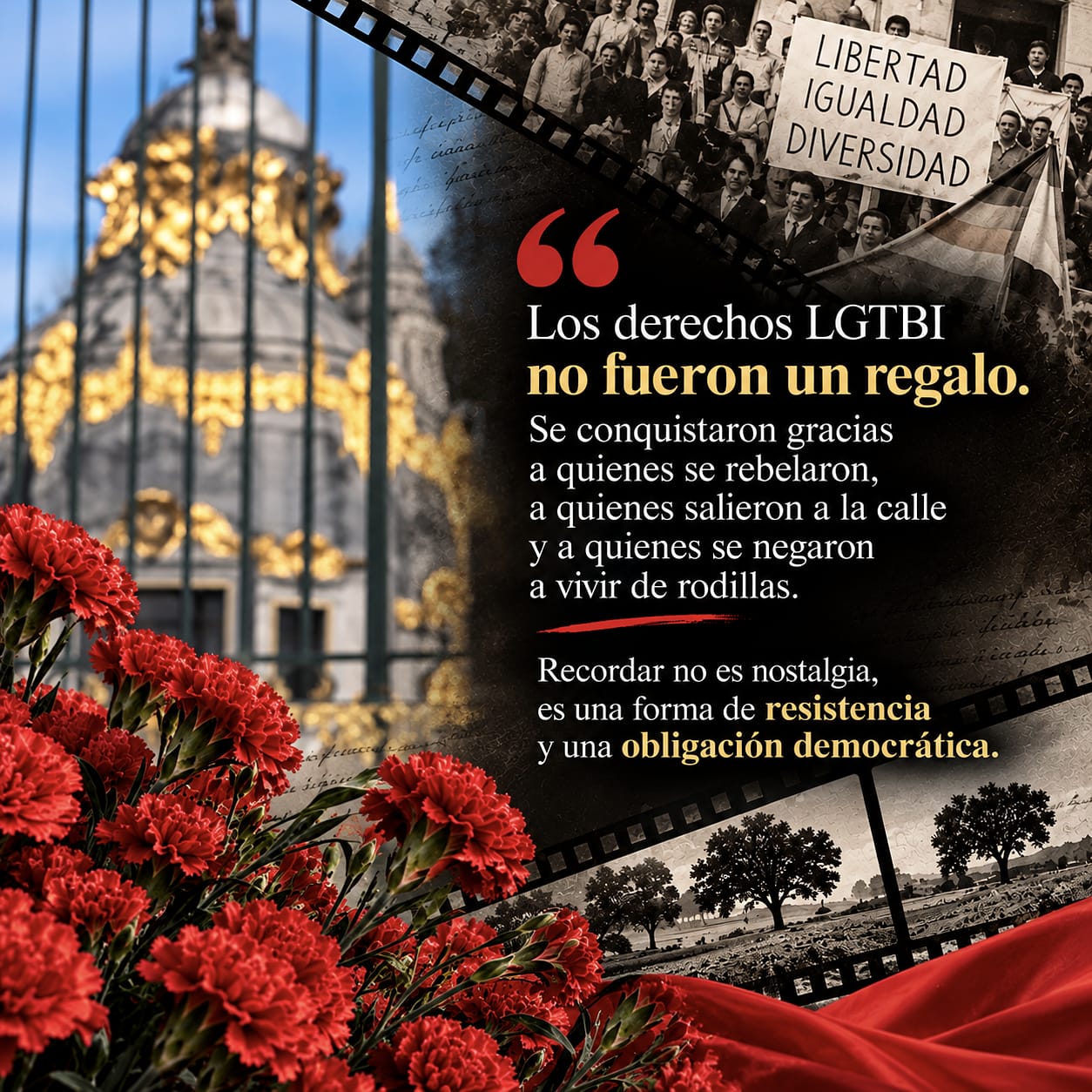
LGBT rights were not a gift. They were won thanks to those who rebelled, those who took to the streets, and those who refused to live on their knees. That is why remembering is not an exercise in nostalgia: it is a form of resistance and a democratic obligation. I do not want future generations to inherit our fear. I want them to inherit our courage. That they can love without asking for permission, live without hiding, and build their future without having to constantly defend their right to exist.
We owe memory to those who preceded us. Commitment to those of us who are here. And to those who will come, a society in which no one is ever persecuted for being who they are. Because they may try to silence us, erase our names, and hide our history. But they will not be able to take away what we are or all that we have conquered.
Neither love. Nor dignity. Nor memory. Nor freedom.
We will never be erased.
And let no one ever forget that the true failure of a society is not that there are different people, but that there are people forced to hide in order to live.
May no one ever have to hide who they are or who they love.