

Gastronomy is an art that has been intrinsically linked to culture and identity. In recent years, a movement has emerged that seeks to vindicate diversity, not only in terms of gender and sexual identity, but also in the way we eat and share food. This article explores how dissident gastronomy is presented as a space to make queer identities and narratives visible, through recipes, innovative projects and restaurants that challenge established norms.
Food as an Expression of Identity
The relationship we have with food goes beyond nutrition; It is a form of cultural and personal expression. For many LGTBIQ+ people, the kitchen becomes a refuge where they can explore and celebrate their identity. Family recipes, dishes that evoke memories and flavors that defy expectations are just some of the ways in which gastronomy becomes an act of resistance and self-affirmation.
For example, using local ingredients and traditional recipes can be a way to honor cultural roots while reinterpreting the narrative of cuisine. This is not just about eating, but about telling stories. Stories of love, struggle and community that are intertwined with every bite.
Queer Gastronomic Projects
Today, there are a growing number of gastronomic projects that define themselves as queer. These spaces not only offer food, but also create an inclusive and safe environment. An example is “The Cuisine of Diversity”, a project that organizes cooking workshops where recipes from different cultures are taught, focusing on the history of LGTBIQ+ communities.
Additionally, many of these projects include the participation of chefs who identify as queer. These professionals usually integrate their personal experiences into their dishes, creating a gastronomic offer that goes beyond simple flavor. Here creativity and identity merge, and each dish tells a unique story.
Queer Recipes: Creating at Home
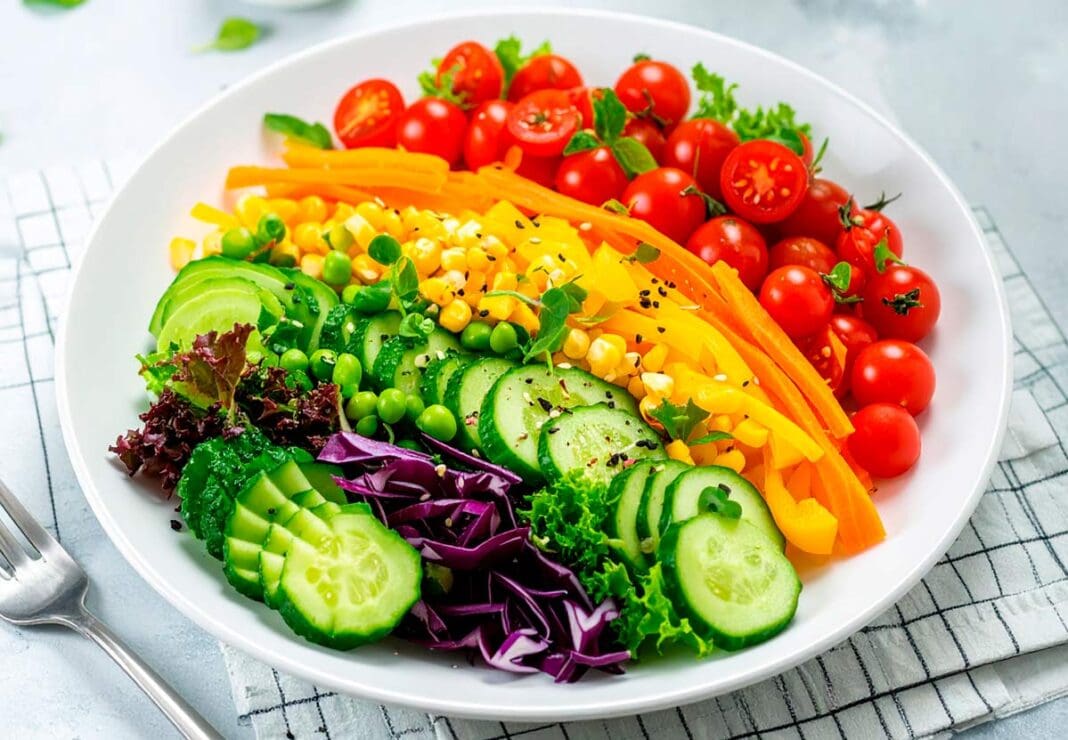
For those who want to bring a piece of this dissident cuisine to their homes, there are endless recipes that challenge traditional norms. The “Rainbow Salad” is a good example: it combines vegetables of all colors, each one symbolizing a part of the LGTBIQ+ spectrum. This recipe is not only visually stunning, but it is also a reminder that diversity is beautiful and necessary.
Another option is the “Equality Cake”, which mixes unexpected flavors such as ginger and chocolate, representing the fusion of different cultures and traditions. Cooking thus becomes an act of self-love and celebration of diversity.
Despite the beauty and creativity that emerges from dissident gastronomy, it is important to question access to these spaces and representation within them. Are all voices really being heard? Are the most vulnerable communities being included in this gastronomic movement? The commercialization of queer culture in gastronomy can lead to cultural appropriation, raising questions about authenticity and representation. It is crucial that diversity is represented fairly and does not become a mere consumer product.
Dissident gastronomy is a fascinating phenomenon that not only nourishes the body, but also the soul. Through recipes, projects and restaurants, identities are made visible and stories that need to be heard are told. Every bite is a step toward acceptance and celebration of who we are.
In a world where differences are often seen as divisions, food reminds us that there is a space for everyone. Diversity in gastronomy not only enriches our culinary experiences, but also promotes inclusive dialogue. The question remains open: how can we continue to support this movement and ensure that all voices are heard at the table?