
- The Venezuelan Observatory of LGBTIQ+ Violence has documented 570 cases of aggression or discrimination between January 2025 and September 2026: 372 in 2025 and 198 in the first nine months of 2026.
- Discriminatory discourses are the most frequent form of violence. In 2026, they account for 75.76% of the cases, and most come from people with power or influence.
- In May, 33 men were arrested and extorted by the police in an illegal raid in Barquisimeto, accused of a non-existent “crime of homosexuality”.
LGBTIQ+ violence in Venezuela shows no mercy. The Venezuelan Observatory of LGBTIQ+ Violence has recorded 570 assaults and cases of discrimination in 21 months, between January 2025 and September 2026. The organization warns that the exile of activists, the closure of NGOs, and police extortions have left the community even more unprotected.
How many cases of LGBTIQ+ violence are there in Venezuela?
The Venezuelan Observatory of LGBTIQ+ Violence counts 570 cases of aggression or discrimination against LGBTIQ+ people between January 2025 and September 2026. Of these, 372 were recorded in 2025 and 198 between January and September 2026.
The report was presented on November 5. Its general coordinator, Glorielys Pérez, summarized the situation of the community as one of “high vulnerability and structural violence”.
The organization warns that the real figures may be higher. It speaks of underreporting due to institutional opacity and reminds that the block of X (formerly Twitter) has closed one of the channels where the community reported abuses.
What type of violence do LGBTIQ+ people suffer in Venezuela?
The most frequent form of violence is discriminatory discourses: 150 of the 198 cases in 2026, 75.76%. In 2025, there were 315 out of 372, 84.68%.
The rest of the cases in 2026 are distributed as follows:
- 24 hate-based crimes (12.12%).
- 22 discriminatory incidents (11.11%), such as family rejection, eviction from home, obstacles to obtaining employment, prohibition from entering leisure venues, or harassment in class and at work.
- One disappearance and one case of intragender violence.
In addition, there are two murders in 2026: that of a stylist in May, in his home in the state of Sucre, and that of a 23-year-old trans woman in August, in a leisure venue in the state of Táchira.
Who are the aggressors?
According to the Observatory, most of the aggressions in 2026 are committed by people with power or influence: 154 cases, 77.78%. They are followed by civilians, almost always from the family environment (23 cases), and state officials (13 cases).
The organization points out that the interim government and the movement “For the Venezuelan Family” concentrate 82.8% of the cases in the last 21 months. It also denounces that, after the U.S. operation that removed Nicolás Maduro from power in January, “the same officials” remain in charge of the institutions.
Raids, extortions, and arbitrary detentions
The most serious case in 2026 occurred in May in Barquisimeto (Lara state): 33 men were arrested and extorted by the police after an illegal raid in an LGBTIQ+ leisure venue. They were accused of a “crime of homosexuality” that does not exist in Venezuelan law. The Public Ministry later arrested five police officers and opened an investigation.
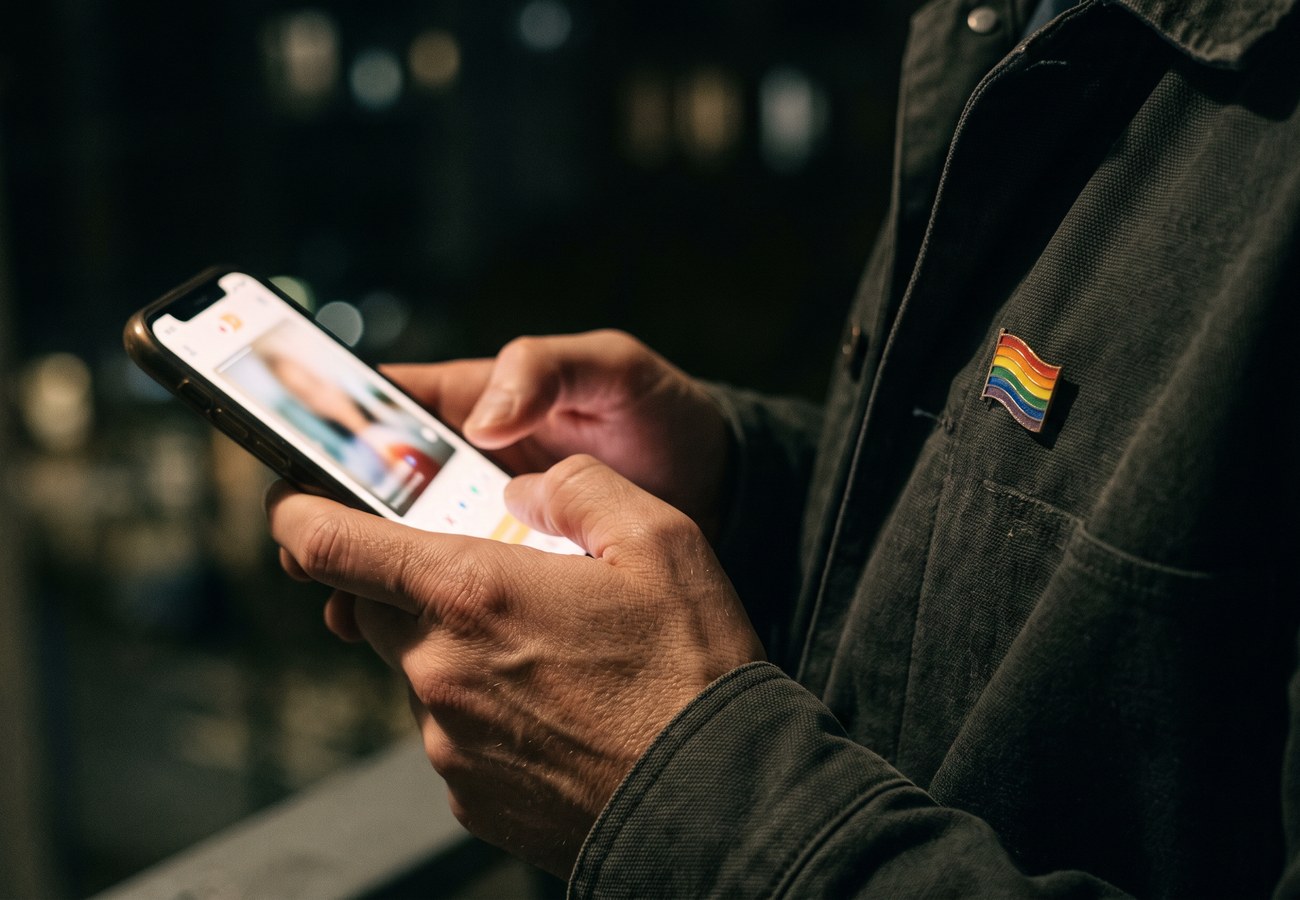
The Observatory documents at least six arbitrary detentions for extortion purposes in 21 months. On November 6, it also reported a new practice: security agents creating false profiles on dating apps to contact LGBTIQ+ people and ask them for money in exchange for not revealing their identity.

In 2025, university professor and activist Ysrael Serrano Riera died in state custody at El Helicoide, with authorities not explaining the cause. In 2026, four LGBTIQ+ individuals considered political prisoners have been released, although they are still required to periodically appear before the courts.
The organization speaks of “structural impunity” and “the absence of basic guarantees of due process”.
Rights that still do not arrive
In Venezuela, same-sex couples cannot marry, trans people must carry a name in their documents that does not represent them, and gay men cannot donate blood. The Observatory includes these situations among the forms of institutional discrimination suffered by the community.
These are precisely some of the demands with which hundreds of people took to the streets in Caracas on October 31. The report also criticizes that the response to the double earthquake in June did not take into account the gender and diversity perspective, which exposed LGBTIQ+ people to revictimization in shelters.
What does the Observatory ask for and where can it be reported?
The Venezuelan Observatory of LGBTIQ+ Violence calls for an end to hate speech, to investigate the police and military involved in extortions and arbitrary detentions, and to create safe reporting channels. It also demands the repeal of laws that restrict civic space and criminalize those who defend human rights.
If you are an LGBTIQ+ person in Venezuela and have suffered aggression, discrimination, or extortion, you can contact the Observatory through its website, nomasdiscriminacion.org, where it publishes its reports and guides.
Venezuela is not an isolated case in the region: in recent months we have seen setbacks in LGBTIQ+ rights in Colombia or in Chile. That is why these independent records are key to ensuring that violence does not remain invisible.
You may be interested in:
- LGBTIQ+ rights in Colombia: what has changed in the 100 days of De la Espriella
- Andry Hernández, Venezuelan LGBTIQ+ stylist deported by mistake and imprisoned in El Salvador
- Gender cuts in Chile: Kast’s budget
Frequently asked questions
How many LGBTIQ+ aggressions are there in Venezuela?
The Venezuelan Observatory of LGBTIQ+ Violence documents 570 cases between January 2025 and September 2026: 372 in 2025 and 198 in 2026.
What is the most frequent violence?
Discriminatory discourses, which account for 75.76% of the cases in 2026.
What happened in Barquisimeto?
In May, 33 men were arrested and extorted by the police after an illegal raid in an LGBTIQ+ venue. The Public Ministry arrested five agents.
Is same-sex marriage legal in Venezuela?
No. Same-sex couples cannot marry in Venezuela.