


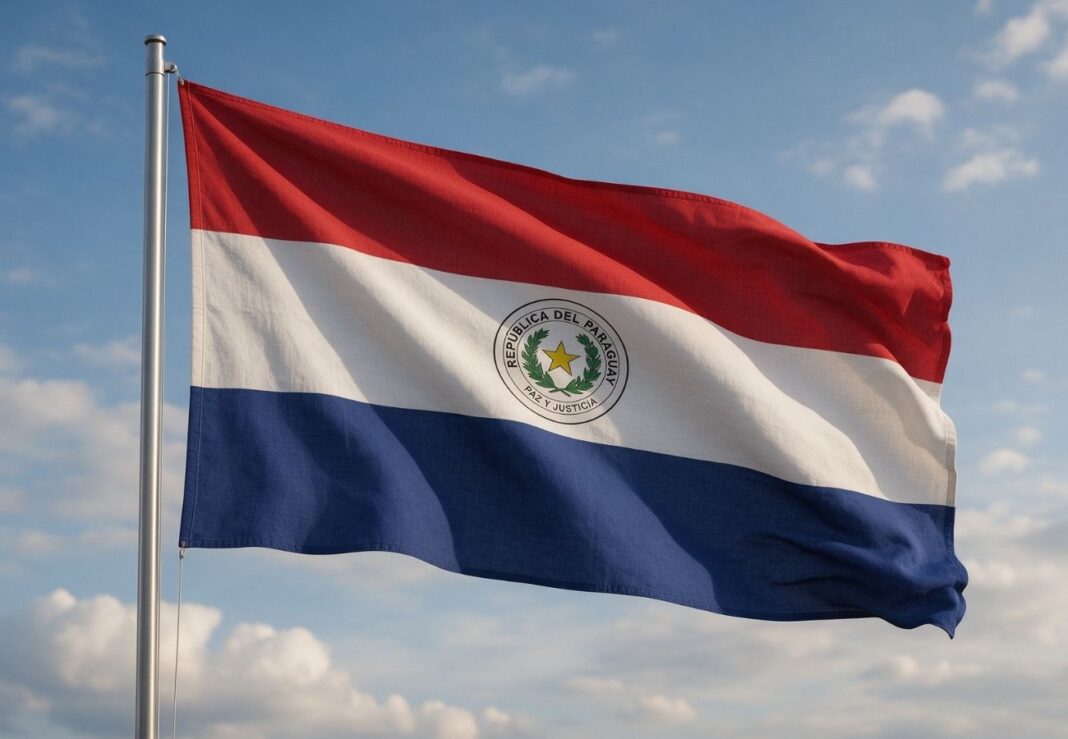
- A popular initiative proposes to add a article 135c to the Penal Code of Paraguay, with penalties of up to 20 years in prison.
- It would punish anyone who “interferes, alters or damages” the “natural perception of the child” regarding their sexuality or biological identity.
- It is promoted by family associations and religious sectors, with more than 50,000 signatures. Senator Esperanza Martínez warns of serious constitutional problems.
An anti-gender law in Paraguay aims to reach the Penal Code: a popular initiative with more than 50,000 signatures proposes to punish with up to 20 years in prison anyone who alters the “natural perception of the child” regarding their sexuality. Lawyer Dannia Ríos Nacif defended it in La Nación on October 26, 2026.
What does article 135c propose?
The project adds a new section, 135c, to article 135 of the Paraguayan Penal Code, which punishes with up to 20 years in prison anyone who “interferes, alters or damages the natural perception of the child” regarding sexuality or their biological identity. According to its defender, it classifies as child abuse the preparation, distribution, promotion, or dissemination of materials or acts aimed at children with that effect.
The proposal does not define exactly what that “natural perception” is. There lies the underlying problem: such an open concept could serve to persecute education on sexual and gender diversity.
Who is behind the initiative?
It is mainly driven by organized mothers and fathers, with the support of family entities and Catholic and evangelical religious sectors. Among the organizations that support it are Fedapar, Fenapep, Frenvifa, Recnapy and Somos Muchos Muchos Más.
The text was drafted in 2023. According to its defender, it gathers more than 50,000 signatures and was delivered to a group of senators and deputies during a mobilization. Its promoters request that it be processed quickly and announce that they will accompany the process “in the coming weeks”.
What do its defenders say?
Ríos Nacif argues that the proposal does not lower the current penalties of Law 7394/24 nor does it prevent adults from accessing information on sexual and gender diversity. According to the lawyer, the goal is to protect childhood.
What do critical voices say?
Opposition senator Esperanza Martínez claims that the initiative has serious constitutional problems and that it reduces penalties for sexual abusers. Ríos Nacif rejects those accusations.
The debate comes at a time of anti-rights offensive in the region. Paraguay still does not recognize equal marriage and is one of the Latin American countries where the movement against the so-called “gender ideology” is strongest.
Frequently asked questions
What penalty does the anti-gender law in Paraguay propose?
Up to 20 years in prison.
Is it approved?
No. It is a popular initiative that still needs to be processed in Congress.
How many signatures does it have?
More than 50,000, according to its defender.
Who opposes it?
Among other voices, Senator Esperanza Martínez, who warns of constitutional problems.