
The mythologies of various cultures around the world have been a refuge for the exploration of identity and spirituality. Throughout history, many cultures have worshiped deities that challenge norms of gender and sexuality. In this context, the study of queer mythologies not only invites us to rediscover these ancient archetypes, but also offers us the opportunity to build new inclusive spiritual practices for the LGTBIQ+ community.
Queer Gods and Goddesses in Ancient Mythologies
From the androgynous gods of Greek mythology, such as Aphrodite and Hermes, to figures such as the Hindu god Ardhanarishvara, who combines masculine and feminine energies, ancient religions have left a legacy of gender diversity. These archetypes show us that gender fluidity is not a modern concept, but has been present in the spiritual traditions of humanity since time immemorial.
For example, in Native American mythology, there are entities such as two spirits, beings that embody both masculine and feminine energy. This recognition of multiple ways of being can serve as inspiration for contemporary practices, challenging monolithic narratives about gender and sexuality.

Queer Spirituality in the Contemporary World
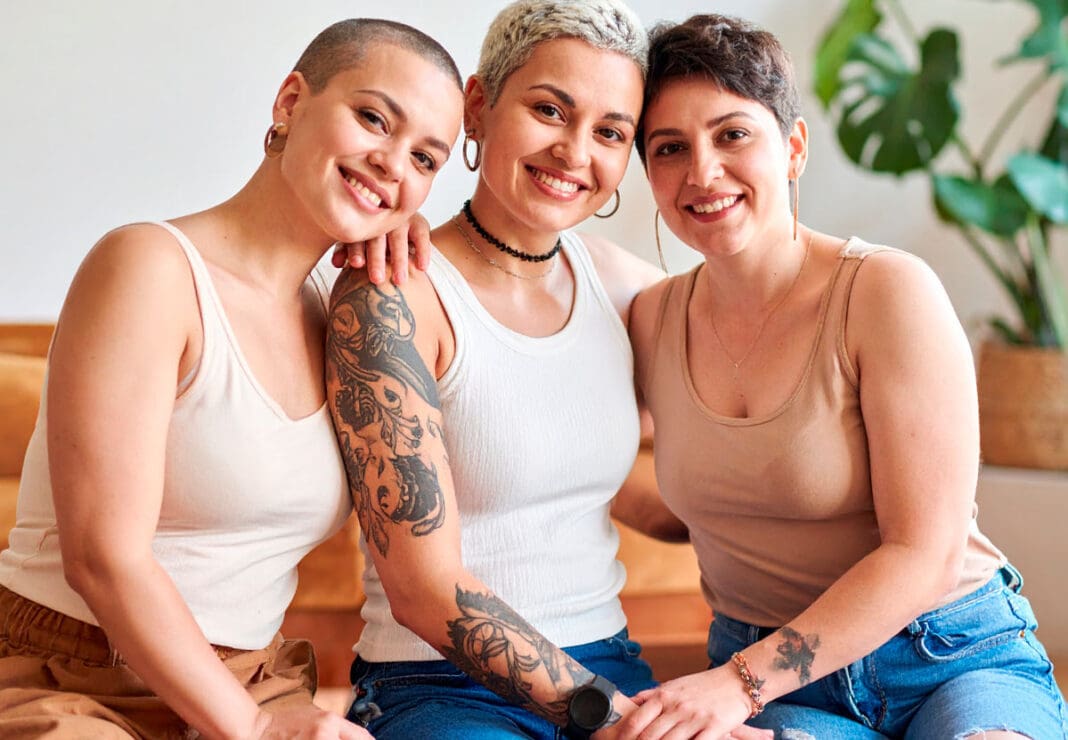
As society moves toward greater acceptance of diversity, spiritual practices are also evolving. Queer spirituality draws on these ancient mythologies to create safe and inclusive spaces where all individuals can explore their identity without fear of judgment. This translates into rituals, ceremonies and communities that celebrate sexual and gender diversity.
Groups such as “Queer Spirituality Circles” are emerging in various cities, where elements of different religious traditions are merged with the queer perspective. These practices not only seek connection with the divine, but also act as a space for healing and vindication of marginalized identities.
Inspiration from Nature
Nature also plays a crucial role in queer spirituality. Life cycles, species diversity, and the interconnectedness of all living things offer a model of acceptance and celebration of difference. Outdoor ceremonies, which honor the earth and its cycles, allow LGTBIQ+ people to find a deep connection with their environment and with themselves.
New Inclusive Spiritual Practices
The integration of queer mythologies into contemporary spiritual practices is giving rise to a series of innovative rituals that reflect the diversity of the community. These practices may include:
- Affirmation Rituals: Ceremonies that celebrate gender identity, such as the “Coming Out” ritual, which allow people to share their truth with the community.
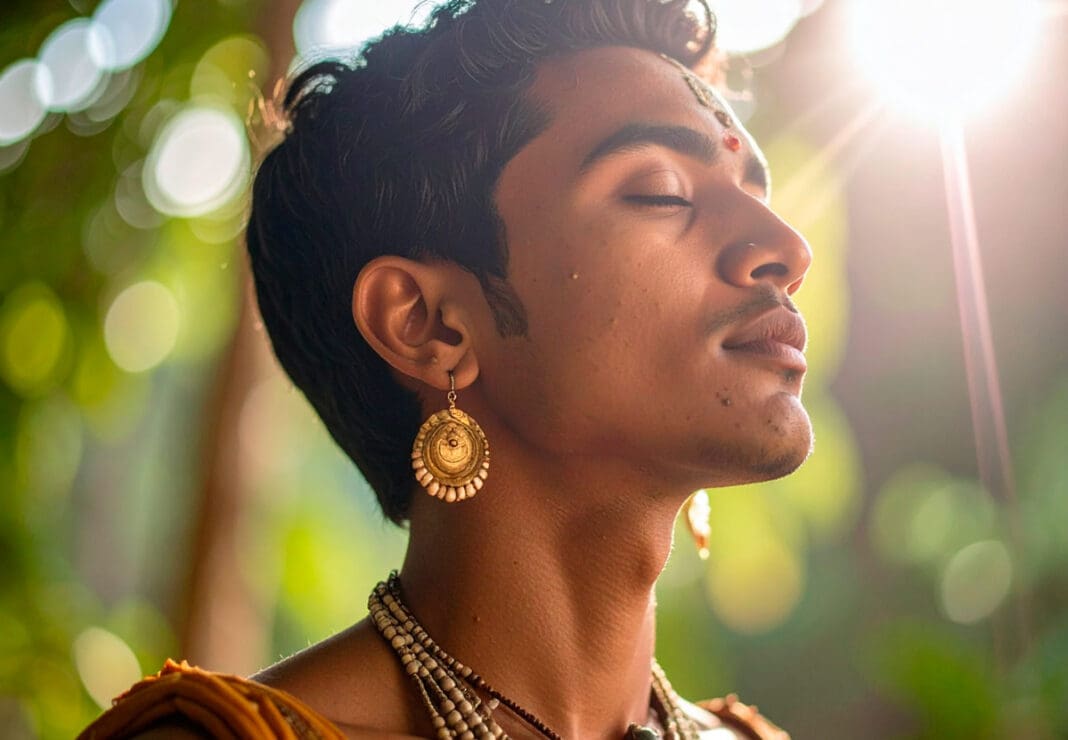
- Inclusive Meditations: Meditation practices that incorporate the visualization of queer deities, fostering a sense of belonging and connection to the sacred.
- Healing Circles: Spaces where wounds related to gender identity and sexuality are addressed, using ancient mythologies as a basis for emotional healing.
However, it is important to question the idealization of the past. Some critics suggest that the recovery of queer gods and goddesses can fall into the trap of romanticizing cultures that, at the time, also perpetuated restrictive gender and sexuality norms. Are we really recovering these stories to empower LGTBIQ+ communities or simply seeking validation in a past that was not as perfect as we imagined? These questions are necessary to maintain a critical and balanced approach in the construction of new narratives.
Towards an Inclusive Spiritual Future
Exploring queer mythologies and spiritualities offers a path toward acceptance and understanding of diversity in all its forms. By reclaiming our gods and goddesses, we not only honor the past, but also build a future in which all identities are celebrated. Connecting with these ancient narratives can be a powerful source of inspiration to create inclusive spiritual practices that nourish the soul of the LGTBIQ+ community.
This quest for inclusion is not just a personal journey, but a collective transformation that can lead to the creation of a more just and compassionate world.