
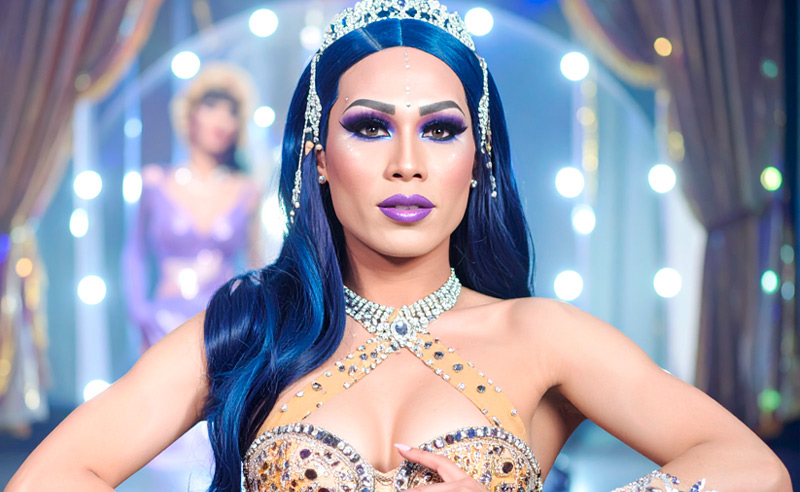

Drag culture has evolved beyond stage performance to become a powerful tool of community building, education, and activism. Drag queens and kings not only shine in the stage lights, but also play a crucial role in society, especially in the LGTBIQ+ community. This article explores how these art figures transform spaces such as schools, neighborhoods, and activist organizations into places of meeting and reflection.
The Drag Community: Beyond the Show
Drag art has historically been a means of expression that challenges norms of gender and representation. However, its impact transcends entertainment. In many cities, drag queens and kings have become agents of social change, promoting inclusion and acceptance.
In many cases, these figures hold workshops and community events where they invite reflection and dialogue about gender identity, sexuality and human rights. For example, in secondary schools, drag queens have been invited to share their experiences and give talks on diversity. This not only educates young people, but also fosters a safer and more supportive environment.
Education and Social Awareness
Education is a fundamental pillar in the mission of many drag queens and kings. They often use their platform to address crucial issues such as homophobia, transphobia, and gender-based violence. Through talks, workshops and presentations in unconventional spaces, they manage to connect with diverse audiences, from students to adults in vulnerable neighborhoods.
For example, initiatives such as “Drag Queen Story Hour” have gained popularity, where drag queens tell stories to children in libraries and schools. These activities not only entertain, but also introduce little ones to concepts of diversity and acceptance from an early age. These experiences can be transformative for young people, helping them understand and respect the diversity in their environments.
Activism and Politics: Voices that Resonate
Drag art also has a strong political component. In many contexts, drag queens and kings use their art to make social struggles visible. They become spokespersons for the LGTBIQ+ community, participating in demonstrations and events where rights and recognition are demanded.
The aesthetics and theatricality of drag allow these messages to be more accessible and attractive. Through performances at events like Pride, these figures not only celebrate diversity, but also denounce injustices. In this sense, drag becomes an act of resistance, where art becomes a form of protest and visibility.
Meeting Spaces: Neighborhoods and Communities
In many neighborhoods, drag queens and kings create safe spaces for LGTBIQ+ people to gather and share their experiences. These spaces are vital in communities where acceptance is not the norm. They host events at bars, community centers and local festivals, where identity can be celebrated without fear of judgment.
The creation of these spaces not only benefits the LGTBIQ+ community, but also educates other members of the community about diversity. By opening dialogue and fostering empathy, barriers can be broken down and a more inclusive society built.
However, not everything is rosy in the drag world. Some voices criticize that, at times, drag can be instrumentalized by capitalism, becoming a commercial product that distorts its subversive essence. Are the social issues affecting the community really being addressed, or is the show being prioritized? This is a question that deserves reflection. Furthermore, it is essential that inclusion does not remain on the surface and that the voices of all identities within the LGTBIQ+ community are heard.
Drag Art as a Transformative Force
Drag art goes beyond performance; It is a movement that creates community, educates and politicizes. Drag queens and kings are redefining what it means to be part of an inclusive and empowered community. Her work in schools, neighborhoods, and activist spaces demonstrates that drag has the power to transform hearts and minds, and to open doors to a more understanding and just future.
The question that remains is: how can we support and amplify these voices in our own communities? In a world that still faces challenges in accepting and understanding diversity, drag art stands as a guiding light towards inclusion and respect.